
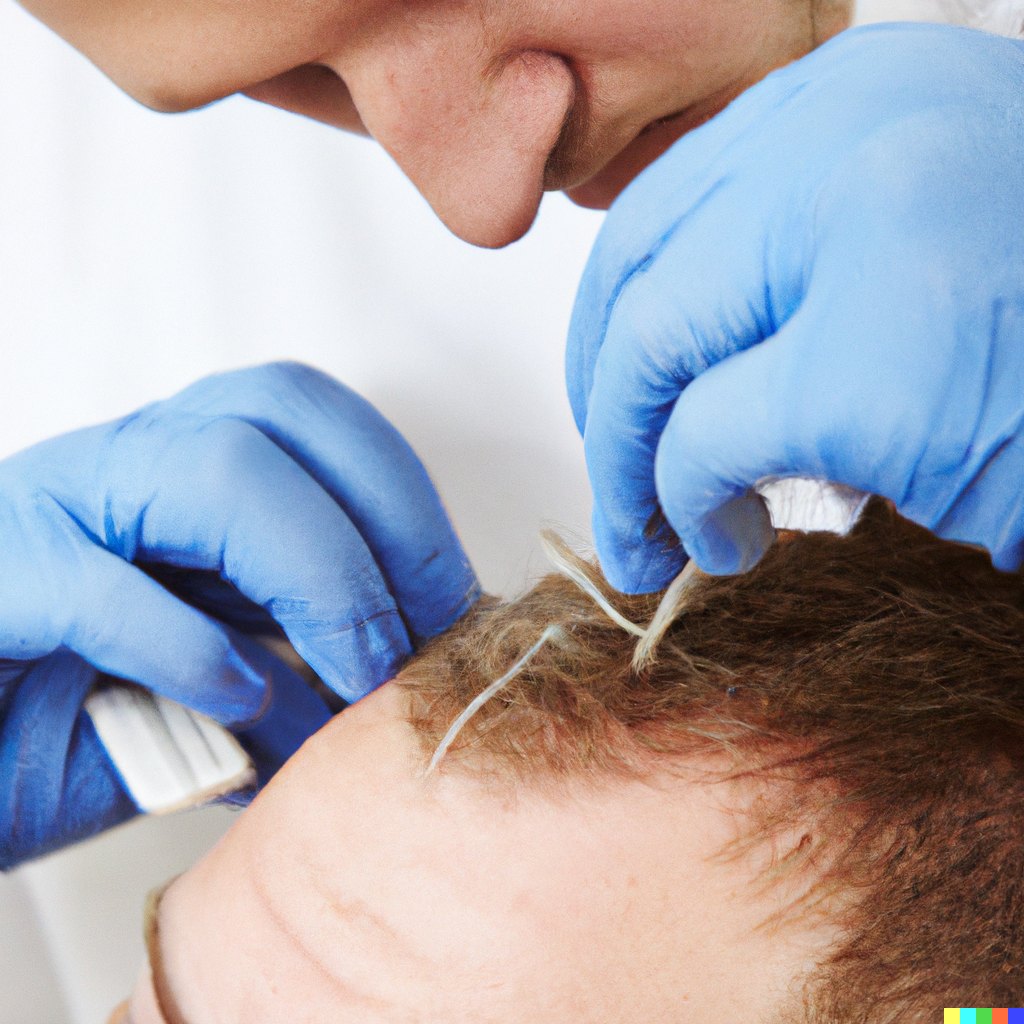
Understanding Shock Loss: Temporary Hair Shedding After a Transplant
1. What Is Shock Loss?
Shock loss—clinically known as telogen effluvium—is a temporary shedding phase that may occur after a hair transplant. It can affect both the newly implanted grafts and surrounding native hair, triggered by the trauma of surgery or changes in scalp environment .
Although alarming to many, this shedding is a normal part of your scalp’s healing and does not indicate transplant failure.
2. Why Does Shock Loss Happen?
• Surgical trauma: Extraction and implantation can stress the follicles and disrupt the natural hair cycle, pushing hairs prematurely into the resting (telogen) phase  .
• Blood flow disruption: Healing scalp may divert blood supply temporarily, causing follicles to shed .
• Sensitivity: Individuals with thinner hair or diffuse thinning (often in women) may experience more noticeable shedding .
3. Timeline: When Shedding Begins and Ends
• Start: Around 10 days to 2 weeks post-procedure, shedding often begins in both donor and recipient areas.
• Peak: Shedding typically peaks between 2–6 weeks and may extend into the 8–12‑week milestone.
• New growth: Around 3–4 months after the transplant, new hair starts emerging, initially soft or fine, but gradually thickening over the next 6–12 months.
4. Shock Loss Is Temporary—Here’s Why It’s OK
• Shedding is part of the healing cycle: transplanted follicles remain intact and will begin growing new hair.
• Most patients see noticeable regrowth by 6 months, with final density achieved by 10–12 months post-surgery .
• Your surgeon can help monitor progress and reassure you at each stage.
5. How to Minimize Shock Loss & Promote Recovery
• Choose experienced surgeons: At Hair Transplant Guwahati, procedures using FUE or DHI are performed by board‑certified surgeons with precise techniques that reduce trauma.
• Follow post-op care protocols: Gentle scalp care, avoiding direct sun, and not skipping follow-up appointments make a big difference.
• Support scalp health: Doctors may recommend topical medications like minoxidil, oral finasteride (if suitable), or PRP therapy to help speed regrowth .
• Nutrition & rest: A balanced diet rich in vitamins A, C, zinc, iron, and protein supports follicle recovery.
6. When to Seek Professional Advice
• If shedding continues beyond 3 months
• If hair does not begin to regrow by 4–6 months
• If you notice any signs of infection, prolonged swelling, or excessive sensitivity
At Hair Transplant Guwahati we provide ongoing consultation so your recovery stays on track.
Experiencing shock loss can feel daunting—but at Hair Transplant Guwahati, we guide you every step of the way. Our skilled surgeons, gentle techniques, and dedicated care mean your journey toward natural-looking, long-lasting hair is safe and supported.
For personalized advice or to begin your transformation journey, book a consultation today.