
Hair Transplant for Beard & Mustache: Everything You Need to Know
Introduction
Facial hair — beard and mustache — is more than just grooming. It’s identity, expression, style. But not everyone can grow thick, even, or well-defined facial hair due to genetics, scarring, hormonal issues or sometimes patchiness. If you’ve been considering ways to achieve your desired look, a beard or mustache transplant may be the solution. In this article, we’ll cover everything you need to know about facial hair transplants — from candidacy and procedure details to risks and recovery — especially as provided by Arogyam Hair Transplant Clinic in Guwahati.
What is a Beard / Mustache Transplant?
• A facial hair transplant involves harvesting hair follicles from a “donor area” (often the back or sides of the scalp, or sometimes body hair) and implanting them into the facial region (beard, mustache, sideburns).
• The technique most commonly used is FUE (Follicular Unit Extraction) — each follicular unit is extracted individually and then implanted, allowing greater control over hair direction, angle, and density.
• At Arogyam, the motorised blunt FUE technique is used to reduce trauma to follicles and improve graft survival. (This is part of what sets us apart in the North East.)
Who is a Good Candidate?
You might be a good candidate if:
• Your donor hair is healthy (typically from scalp).
• Patchiness or unevenness in your beard or mustache is due to poor growth rather than active disease.
• You understand the limitations: facial hair often grows differently than scalp hair; body hair donor grafts may be shorter, thinner.
• You are realistic about results: density, shape, and especially orientation matter for natural appearance.
• No serious medical issues affecting healing (like uncontrolled diabetes), and you are ready to follow post-op care.
What to Expect: Procedure Details
1. Consultation & Planning
• Assessment of your facial structure, how dense you want the facial hair, full medical check-up.
• Planning the hairline and direction for each graft to mimic natural facial hair growth.
2. Donor Harvesting
• Usually scalp hair is taken. At Arogyam, the donor area extraction is done using motorised blunt FUE to minimize injury.
3. Implantation
• Once harvested, grafts are implanted into the beard or moustache area using micro-slits. Angle and direction is very carefully controlled so that facial hair looks natural.
4. Duration & Pain
• The procedure can take several hours depending on how large the area is.
• Local anesthesia is used; discomfort/pain is minimal. Swelling or mild redness may happen post-procedure.
Benefits & Limitations
Benefits:
• Long-lasting facial hair in areas where growth was weak or patchy.
• Natural appearance when done right.
• Boost in confidence and self-image.
Limitations:
• Growing speed of facial hair may differ from scalp hair.
• Donor hair density limits how thick you can make your beard/mustache.
• Healing period involves temporary shedding (“shock loss”) before regrowth.
• Body hair donor grafts may not match scalp hair in texture or length.
Post-Operative Care & Recovery
• After the procedure: mild swelling, redness or small scabs which heal in a few days.
• Keep area clean. Use gentle shampoos or cleansers. Avoid rubbing or scratching.
• Avoid heavy exercise, alcohol, smoking initially, as per your doctor’s advice.
• Avoid sun exposure; cover or apply sunscreen once healed.
• Expect full visible results over 6-9 months, with continued improvement up to 1-1.5 years.
Why Choose Arogyam Hair Transplant Clinic, Guwahati
• Expertise: Dr. P. J. Mazumdar is the first ABHRS Diplomate transplant specialist in the Northeast.
• Internationally accepted standards: Following American and ISHRS ethical & technical guidelines.
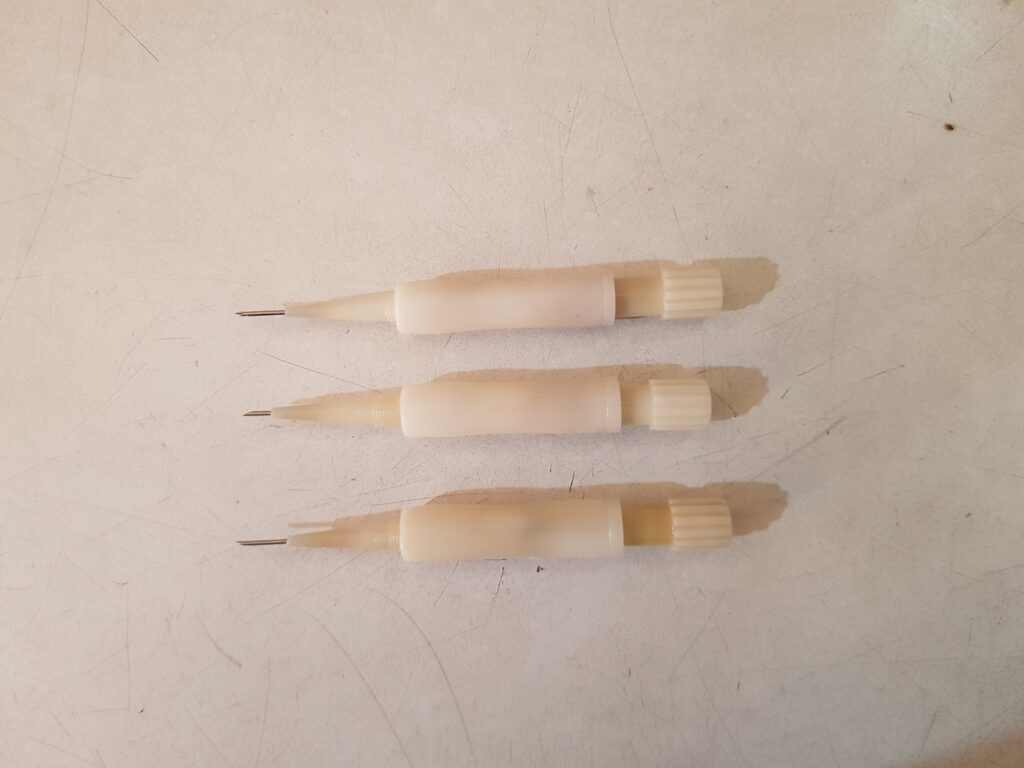
• Modern technique: Motorised blunt FUE, minimal scarring, state-of-the-art tools (blunt titanium punches, Choi Implanters etc.) used.
• Safety & infrastructure: Procedures performed in Main OT at Downtown Hospital with emergency backup. Proper sterility, experienced staff. 
• Transparent costs & counselling: Honest graft counts, realistic expectations, clear post-op support.
Cost & Factors That Affect It
Some factors that affect cost/duration:
• Number of grafts required
• Thickness/density you want
• Donor area condition
• Area size (mustache only vs full beard)
• Use of body hair vs scalp donor
• Post-operative care and medications
At Arogyam, cost is calculated in terms of grafts (Follicular Units), ensuring transparency.
Risks & Safety
While generally safe, as with any surgical procedure, there are risks:
• Risk of infection if clinic standards are not maintained
• Asymmetric results if angle/planning not done carefully
• Temporary shedding of transplanted hair before regrowth
• Possible mild swelling, bruising
These risks are minimized by choosing a well-qualified clinic, following pre-op and post-op instructions strictly. 
Conclusion
If you’ve been dreaming of fuller facial hair — a sharp beard, a thick mustache, or more defined sideburns — beard or mustache transplant offers a realistic, long-lasting solution. The key lies in choosing the right clinic, setting correct expectations, and following through proper care.
At Arogyam Hair Transplant Clinic, Guwahati, we combine expertise, technology, safety, and transparent care to help you achieve that transformed look with confidence. Ready to begin? Book your consultation today.