
Full-Length Article: The Role of Genetics in Hair Loss and Transplant Success
Introduction
Hair loss affects millions of people worldwide, and one of the most common causes is genetics. For many, the condition seems to “run in the family,” appearing in similar patterns across generations. While hereditary hair loss can feel discouraging, modern hair transplant techniques prove that genetics don’t decide everything. At Arogyam Hair Transplant & Cosmetic Clinic, Guwahati, we specialize in helping patients overcome genetic predispositions and achieve natural, lasting results.
How Genetics Influence Hair Loss
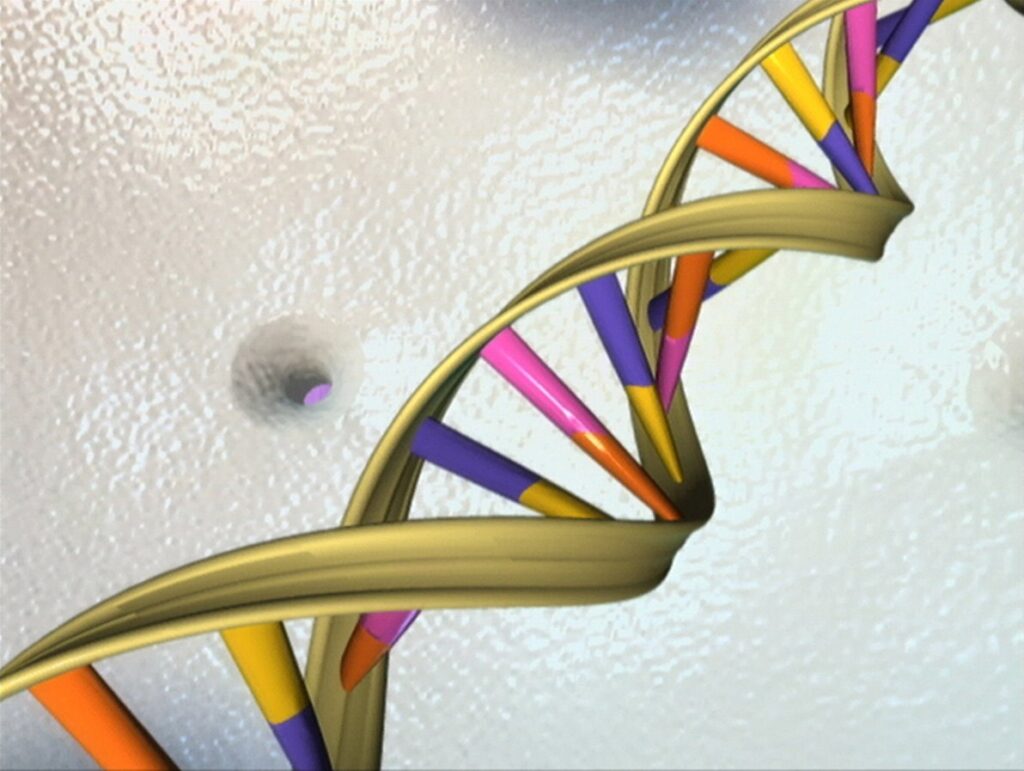
Genetics determine how your hair follicles respond to hormones like DHT (dihydrotestosterone), which shortens the hair growth cycle and causes thinning. This is why men and women often notice familiar patterns—such as receding temples, crown thinning, or overall reduced density—similar to their parents or grandparents. The timing, severity, and pattern of hair loss are all heavily influenced by hereditary factors.
Why Genetic Hair Loss Doesn’t Mean Failure
Although genes play a major role in hair loss, they don’t prevent a successful transplant. The donor area at the back and sides of the scalp is naturally resistant to DHT, making it the perfect source of strong, healthy grafts. These hairs, once transplanted, maintain their resistance and continue to grow in their new location. By carefully studying your family history and current hair condition, our experts can design a transplant plan that not only restores density but also anticipates future changes.
Arogyam’s Approach to Genetic Hair Loss
At Arogyam Clinic, every transplant is performed by Dr. P.J. Mazumdar, the Northeast’s first ABHRS Diplomate Hair Restoration Specialist. His expertise ensures that patients with strong genetic patterns of hair loss still receive safe, natural, and lasting results.
We combine international standards with advanced techniques such as:
• Blunt titanium punches to reduce follicle damage
• Choi Implanters for precise angulation and placement
• 6× Heine loupes for maximum accuracy
• Counting trays and mobile photos to ensure transparency in graft numbers
Additionally, procedures are conducted in a hospital-level OT with strict sterilization, ensuring the highest safety standards. Grafts are processed in small batches to minimize out-of-body time, protecting their survival rate—something especially crucial for patients with genetically weaker hair.
Setting Realistic Expectations
Genetics also influence how much coverage can be achieved. Patients with aggressive family histories may require careful planning to preserve donor hair for the future. In such cases, a conservative, natural hairline is often advised so that results continue to look balanced over time.
A transplant at Arogyam doesn’t just address current hair loss—it is designed with your future in mind. Complementary treatments like PRP therapy, finasteride, or minoxidil may also be recommended to support existing hair and slow down further genetic loss.
Conclusion
While genetics strongly influence hair loss, they do not decide the success of a transplant. With the right expertise, planning, and techniques, it is possible to restore a full, natural look and keep it for years to come. At Arogyam Hair Transplant & Cosmetic Clinic, Guwahati, we pride ourselves on combining global certification, advanced technology, and personalized care to help you rise above your genetic challenges.