
Hair Transplant for Diffuse Thinning: Is It Possible?
Hair loss doesn’t always appear as bald patches or a receding hairline. Many individuals experience diffuse thinning, where hair density reduces evenly across the scalp. This type of hair loss can be confusing—and raises an important question:
👉 Is a hair transplant possible for diffuse thinning?
Let’s explore.
What is Diffuse Thinning?
Diffuse thinning is a condition where hair becomes thinner across the entire scalp instead of specific areas. It often creates a “see-through” appearance, especially under light 
Unlike pattern baldness, it:
• Affects overall hair density
• Doesn’t follow a fixed pattern
• May also impact the donor area
Can Hair Transplant Work for Diffuse Thinning?
✔ Yes — But Not for Everyone
Hair transplant can be effective, but only when the right conditions are met.
Ideal Candidates:
• Stable hair loss (not actively progressing)
• Strong and healthy donor area
• Diagnosed with Diffuse Patterned Alopecia (DPA)
• Already undergoing medical treatment (if needed)
When these conditions are met, a transplant can restore density and improve overall hair appearance
❌ When Hair Transplant is NOT Recommended
Not all diffuse thinning cases are suitable for surgery.
Avoid transplant if:
• Donor area is also thinning (DUPA cases)
• Hair loss is temporary (like telogen effluvium)
• Underlying issues (thyroid, stress, deficiencies) are untreated
• Hair loss is rapidly progressing
In such cases, medical treatment should be the first step.
Why Diffuse Thinning is More Challenging
Diffuse thinning requires advanced expertise because:
• Existing hair must be preserved during transplant
• Donor area may have reduced density
• Risk of damaging native hair (shock loss)
• Long-term planning is essential
It’s a highly technique-sensitive procedure.
Good Techniques for Diffuse Thinning
Modern techniques provide better results:
🔹 FUE (Follicular Unit Extraction)
• Minimally invasive
• Ideal for widespread thinning
• No visible scars
🔹 DHI (Direct Hair Implantation)
• Precise implantation between existing hairs
• Better density control
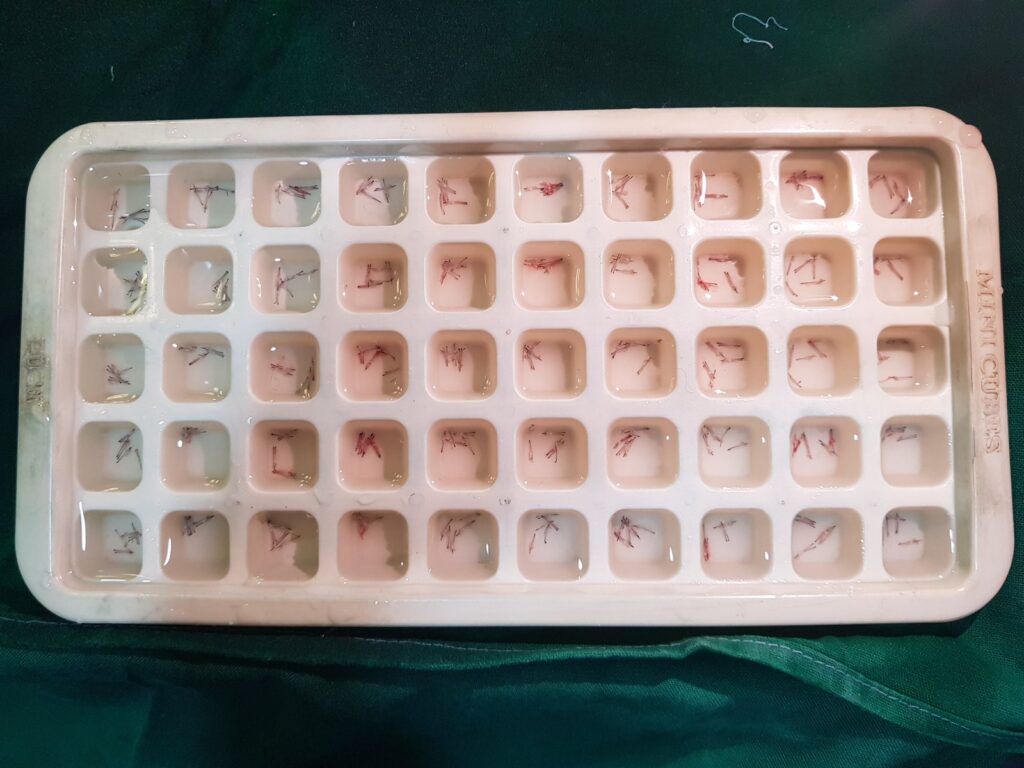
Typically, 2000–4000 grafts may be required depending on severity
Importance of Medical Treatment
Hair transplant alone is not enough.
Doctors often recommend:
• Minoxidil
• Finasteride
• PRP therapy
These help:
✔ Stabilize hair loss
✔ Improve transplant success
✔ Maintain long-term results
What Results Can You Expect?
• Noticeable improvement in hair density
• Natural-looking results
• Gradual growth over 6–12 months
However, remember:
👉 Diffuse thinning can continue if untreated
👉 Maintenance is essential
Final Verdict
✔ Hair transplant for diffuse thinning is possible
❗ But it requires proper diagnosis, planning, and expertise
The key lies in:
• Identifying the type of thinning
• Ensuring donor area stability
• Combining surgery with medical treatment
Looking for Expert Guidance in Guwahati?
If you are experiencing diffuse thinning, the first step is a professional scalp evaluation.
At our clinic, we focus on:
✔ Personalized diagnosis
✔ Advanced transplant techniques
✔ Long-term hair restoration planning
📞 Book your consultation today and take the first step towards fuller, healthier hair.