
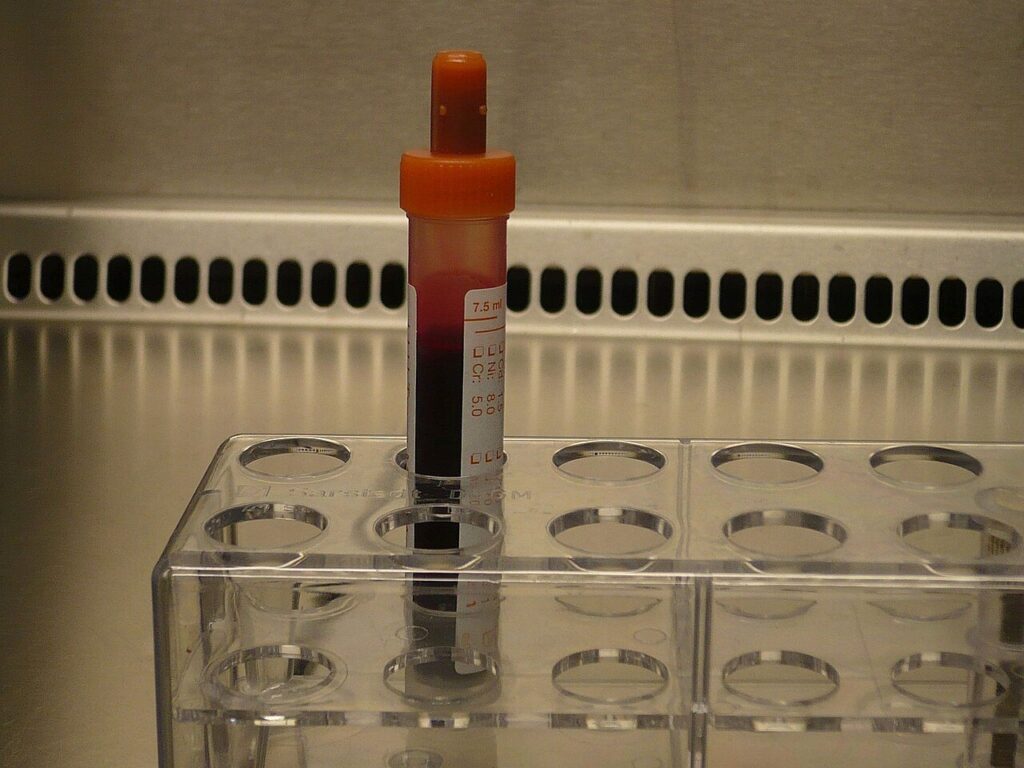
An Overview of Platelet-Rich Plasma (PRP) and GFC
Platelet-Rich Plasma (PRP) is a medical treatment that harnesses the body’s natural healing abilities. It’s an autologous therapy, meaning it uses a patient’s own blood, which significantly reduces the risk of allergic reactions or immune rejection. The core principle of PRP is to concentrate the platelets from the blood, as they contain a high number of essential growth factors. These growth factors are proteins that act as messengers, telling cells to grow, repair, and regenerate. The use of PRP has expanded beyond its initial applications to become a versatile tool in modern medicine, including in hair restoration.
The Role of PRP in Hair and Healing
PRP has gained significant attention in dermatology and trichology for its role in treating various forms of hair loss. The process involves injecting the concentrated PRP solution directly into the scalp. The growth factors are believed to stimulate dormant hair follicles, increase blood supply to the area, and extend the anagen (growth) phase of the hair cycle. This can lead to a noticeable decrease in hair shedding and an improvement in hair thickness and strength. Some of the specific conditions PRP is used for include:
-
Androgenetic Alopecia (Male/Female Pattern Baldness): This is the most common form of hair loss, characterized by a progressive shrinking of hair follicles. PRP is used to help slow down this process, preserve existing hair, and improve its overall health.
-
Alopecia Areata: An autoimmune condition that causes the body to attack its own hair follicles, leading to circular patches of hair loss. PRP is used to help calm the autoimmune response in the scalp and promote hair regrowth.
-
Telogen Effluvium: A temporary condition of increased hair shedding often triggered by stress, hormonal changes, or nutritional deficiencies. PRP can help by stimulating the follicles to return to a normal growth cycle, reducing shedding and accelerating recovery.
Beyond hair, PRP’s regenerative properties have a long history. It was famously used by elite athletes to help accelerate the healing of muscle, tendon, and ligament injuries. In orthopedics, it’s used to treat conditions like osteoarthritis, where it’s injected into joints to reduce pain and improve function.
A Note on GFC (Growth Factor Concentrate)
Growth Factor Concentrate (GFC) represents an evolution of blood-based therapies. While PRP involves injecting a solution that contains the entire platelet and other blood components, GFC is a purer form of treatment. The GFC preparation process isolates and extracts only the concentrated growth factors from the platelets, creating a solution that is completely free of platelets, white blood cells, and red blood cells. This purity is thought to reduce the chance of inflammation at the injection site and may offer a more targeted therapeutic effect.
Comparing PRP and GFC:
The fundamental difference lies in the final composition. PRP is a suspension containing platelets, while GFC is a pure solution of the extracted growth factors. In a PRP procedure, the platelets are typically activated in vivo (within the body) after injection. For GFC, the platelets are activated in vitro (in the lab) before being separated from the growth factors, ensuring a specific, concentrated dose is delivered. The choice between these two therapies often depends on the specific condition, the patient’s individual needs, and the provider’s clinical judgment.
Modern Applications and Technology
The PRP procedure is non-surgical and minimally invasive, typically completed in about an hour. It starts with a blood draw, followed by processing the blood in a centrifuge to isolate the PRP. The resulting solution is then injected into the target area. A series of sessions is usually recommended for optimal results, with treatments often spaced several weeks apart. The technology used for administering the treatment can vary. Some modern clinics use specialized devices like needless injectors that deliver the PRP solution using high pressure, which can make the process more comfortable for the patient.
It is important to note that regenerative therapies like PRP and GFC are also often used as a complementary treatment. They may be applied in conjunction with other procedures, such as hair transplants, to help enhance the environment of the scalp, support the healing process, and potentially improve the growth and survival of the transplanted hair follicles.
You can read up more on PRP in male pattern baldness in these studies:
https://www.ncbi.nlm.nih.gov/pmc/articles/PMC4622412/