
19 Points to Know About PRP and GFC
1. PRP stands for Platelet-Rich Plasma. PRP is a medical treatment that utilizes the patient’s own blood. It’s a form of regenerative medicine that concentrates specific healing components from the blood to aid in tissue repair.
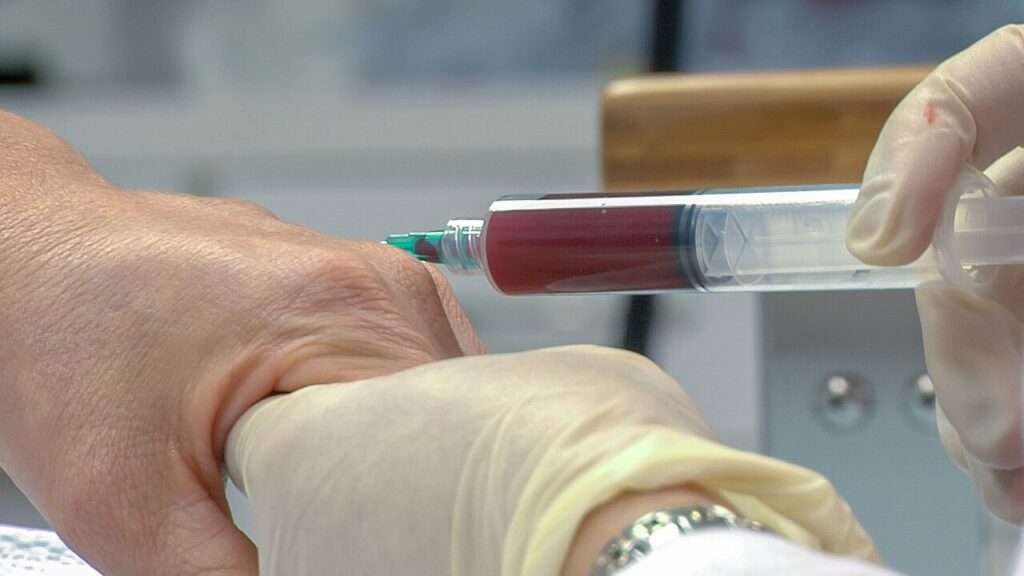
2. It is derived from the patient’s own blood. The process begins with a standard blood draw from the patient’s arm. This is a crucial step, as using the patient’s own blood minimizes the risk of allergic reactions or rejection.
3. The key component is platelets. Platelets are small, colorless blood cells that are primarily known for their role in blood clotting. They also act as a natural reservoir for a variety of growth factors and other healing proteins.
4. Growth factors are the active agents. When activated, platelets release these growth factors, which are proteins that regulate cell growth, migration, and differentiation. They are the key elements that stimulate the body’s natural healing processes.
5. The process involves a centrifuge. After the blood is drawn, it is placed in a specialized machine called a centrifuge. This device spins the blood at high speeds, separating it into different layers based on density. This process isolates the platelet-rich plasma from the red and white blood cells.
6. PRP has a history in sports medicine. PRP first gained significant attention in the field of sports medicine. It was used by well-known athletes to help accelerate the healing of common injuries, such as sprains and tendonitis, a factor that helped popularize the treatment.
7. It is also used in orthopedics. Beyond sports injuries, PRP is used in orthopedics to treat chronic conditions like osteoarthritis. By injecting the concentrated solution into affected joints, the goal is to reduce pain and improve joint function by stimulating tissue regeneration.
8. PRP’s primary use in hair care is for hair loss. In dermatology and trichology, PRP is a common non-surgical option for various forms of hair loss. The growth factors are injected into the scalp to stimulate dormant hair follicles and encourage new hair growth.
9. It is used for Androgenetic Alopecia. Also known as male pattern baldness, this is the most common type of hair loss. PRP is thought to help by extending the anagen (growth) phase of the hair cycle, which can lead to a decrease in hair loss and an increase in hair thickness and longevity.
10. Alopecia Areata is another application. This is an autoimmune condition that causes circular patches of hair loss. PRP is sometimes used as a treatment to help suppress the autoimmune response in the scalp and promote hair regrowth in the affected areas.
11. PRP can help with Telogen Effluvium. Telogen Effluvium is a condition of increased hair shedding often triggered by stress, fever, nutritional deficiencies, or other factors. PRP can be used to help reduce shedding and stimulate the follicles to return to a normal growth cycle.
12. It may address hair thinning. PRP can be beneficial for individuals experiencing general hair thinning. By increasing the blood supply and nutrient delivery to the hair follicles, it can improve hair diameter and strength, making hair less prone to breakage.
13. There are different types of PRP. The effectiveness of PRP can depend on the specific preparation method. Variations include Leukocyte-Rich PRP (L-PRP), which contains a higher concentration of white blood cells, and Platelet-Rich Fibrin (PRF), which creates a fibrin matrix that traps platelets and growth factors, releasing them more slowly.
14. GFC stands for Growth Factor Concentrate. GFC is a newer, more refined approach to regenerative therapy. While similar to PRP, its key difference is in the final product. GFC is a purer solution that contains only the extracted growth factors, without other blood cells.
15. GFC is a purer form of therapy. The GFC process isolates and concentrates the growth factors directly from the platelets, resulting in a solution that is free from red blood cells and white blood cells. This purity is believed to potentially reduce inflammation and offer a more targeted effect.
16. The preparation process for GFC differs. In the GFC process, platelets are activated in the lab to release their growth factors before the solution is injected. This ensures a consistent, concentrated dose of growth factors is administered to the treatment area.
17. A typical PRP procedure takes about one hour. The entire process, from the initial blood draw to the final injection, is generally completed within an hour, making it a convenient treatment option for many patients.
18. A treatment course often involves multiple sessions. For conditions like hair loss, a single session is usually not sufficient. A common treatment plan involves a series of sessions, often spaced about a month apart. The total number of sessions can vary based on individual response and the specific condition being treated.
19. Cost and clinic policies vary. The price of PRP and GFC treatments can differ significantly based on the clinic’s location, the technology used, and the number of sessions in a package. It is advisable to consult with a provider to understand the full cost and what is included in the treatment plan.
Read up more here:
About Dr. P. J. Mazumdar and Arogyam Hair Transplant Clinic
Top 30 questions you need to ask about your Hair Transplant Doctor and Clinic
Know more about the American Board of Hair Restoration Surgery