
Why Hair Transplants Work: Understanding the Science Behind It
Introduction
Hair loss can deeply affect confidence and self-image. When topical treatments or medications no longer help, many turn to hair transplantation — a long-lasting, scientifically proven solution. This isn’t just cosmetic; it’s a precise medical procedure that combines biology, artistry, and technology. Let’s explore why hair transplants truly work and what makes them so effective.
1. The Biology of Hair & Hair Loss
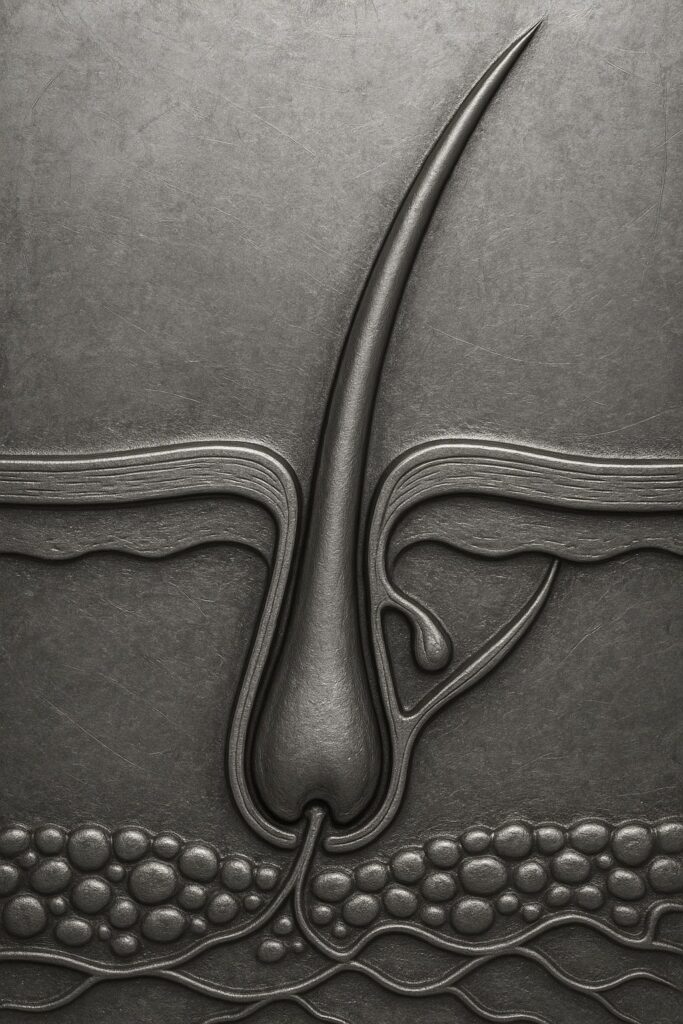
Each strand of your hair grows from a follicle, a tiny but complex structure beneath your skin. Hair follicles go through natural cycles of growth, rest, and shedding.
In pattern baldness (androgenetic alopecia), certain follicles become sensitive to a hormone called Dihydrotestosterone (DHT). Over time, these follicles shrink, producing thinner hair until they stop completely.
However, the hair on the back and sides of your scalp is genetically resistant to DHT, meaning it keeps growing even when other areas thin out. This difference forms the foundation of successful hair transplantation.
2. What Hair Transplant Actually Does: Redistribution, Not Creation
A hair transplant doesn’t create new hair — it redistributes existing, healthy follicles to areas where growth has stopped.
• Follicles from DHT-resistant donor areas (usually the back or sides) are extracted.
• These are then implanted into bald or thinning regions.
• Because the transplanted follicles retain their original resistance, they continue to grow naturally in their new spot.
This concept is known as “donor dominance”, and it’s what makes transplanted hair long-lasting.
3. Techniques: FUT and FUE
There are two primary techniques used in modern hair transplantation:
a) FUT (Follicular Unit Transplantation)
• A thin strip of scalp is removed from the donor area.
• Follicles are then separated under a microscope and implanted into bald zones.
• Ideal for patients who require a large number of grafts.
• Slightly longer recovery, but excellent graft survival rates.
b) FUE (Follicular Unit Extraction)
• Individual hair follicles are extracted using tiny punches (0.8–1.2 mm).
• Minimally invasive with no visible linear scar.
• Faster healing and suitable for shorter hairstyles.
• Popular due to comfort and precision.
Both techniques aim to achieve natural-looking density and lifelong growth, though FUE has become the preferred method for its minimal downtime.
⸻
4. Why Transplanted Hair Lasts: The Power of Donor Dominance
The secret lies in genetics.
When resistant follicles are moved to a new location, they retain their original genetic characteristics — meaning they’re still resistant to DHT. Once implanted, they establish new blood supply and continue their normal hair growth cycle.
That’s why, once healed, the transplanted hair behaves just like your natural hair — you can cut, color, and style it freely.
5. What Makes a Hair Transplant Successful
While science explains how hair transplants work, the success of the procedure depends on several crucial factors:
• Expertise of the Surgeon: Skill and precision ensure the transplanted hairline looks natural and the grafts survive optimally.
• Quality of Donor Hair: Healthy, DHT-resistant follicles are the foundation for lasting growth.
• Graft Handling & Technique: Proper hydration, temperature control, and minimal handling keep follicles strong during transfer.
• Personalized Planning: Every patient’s scalp, hair type, and density are unique. Customized planning ensures balanced, natural results.
• Aftercare & Lifestyle: Following medical advice, maintaining nutrition, and avoiding smoking or stress help grafts thrive.
At Hair Transplant Guwahati, every procedure is performed with precision and care — combining medical expertise with aesthetic artistry. Because a great transplant isn’t just about growing hair, it’s about restoring confidence.
6. The Hair Transplant Timeline: What to Expect
• Day 0: Procedure performed under local anesthesia.
• Weeks 2–3: Some transplanted hairs shed — a normal part of the process.
• Months 2–4: New growth begins.
• Months 6–9: Noticeable density and volume increase.
• 12–18 Months: Final, natural-looking results appear.
7. What Hair Transplants Don’t Do
• They don’t stop future hair loss in untreated areas — maintenance therapy (PRP, Minoxidil, Finasteride) may be needed.
• They don’t create infinite density; the number of viable grafts depends on your donor area.
• Poor planning or unqualified execution can lead to uneven growth or scarring — hence, the clinic’s experience is key.
8. Why Choose Arogyam Hair Transplant Guwahati
At Arogyam Hair Transplant Guwahati, we combine advanced FUE techniques, modern equipment, and patient-focused care. Our team understands the hair patterns, scalp types, and climate challenges unique to Assam and Northeast India.
From your first consultation to post-procedure follow-up, we ensure transparency, comfort, and long-lasting results — all at an affordable cost.
Conclusion
Hair transplantation works because it’s grounded in solid biological science — moving genetically strong hair follicles to weaker zones where they can continue to thrive.
When performed by experienced professionals, it offers a natural, long-lasting solution to hair loss and a powerful boost to self-confidence.
If you’re ready to take the first step toward restoring your hair and confidence, book a consultation with Arogyam Hair Transplant Guwahati today — where science meets artistry, and every strand matters.