Arogyam Hair Transplant and Cosmetic Surgery Clinic
Arogyam Hair & Cosmetic Clinic, Guwahati, Assam 8811077011, 7637089211 guwahatihairtransplant@gmail.com

Category: PRP and GFC

  • Benefits of PRP Treatment for Hair Loss

    Benefits of PRP Treatment for Hair Loss

    Benefits of PRP Treatment for Hair Loss

    Introduction to PRP: A Natural Hair Growth Solution

    Hair thinning and hair loss can be stressful and emotionally challenging. Whether due to genetics, stress, hormonal changes, or lifestyle factors, many people seek effective solutions without undergoing surgical procedures. PRP (Platelet-Rich Plasma) treatment is a cutting-edge, minimally invasive therapy that uses your body’s own healing factors to stimulate hair growth and improve overall hair quality.

    What Is PRP Therapy?

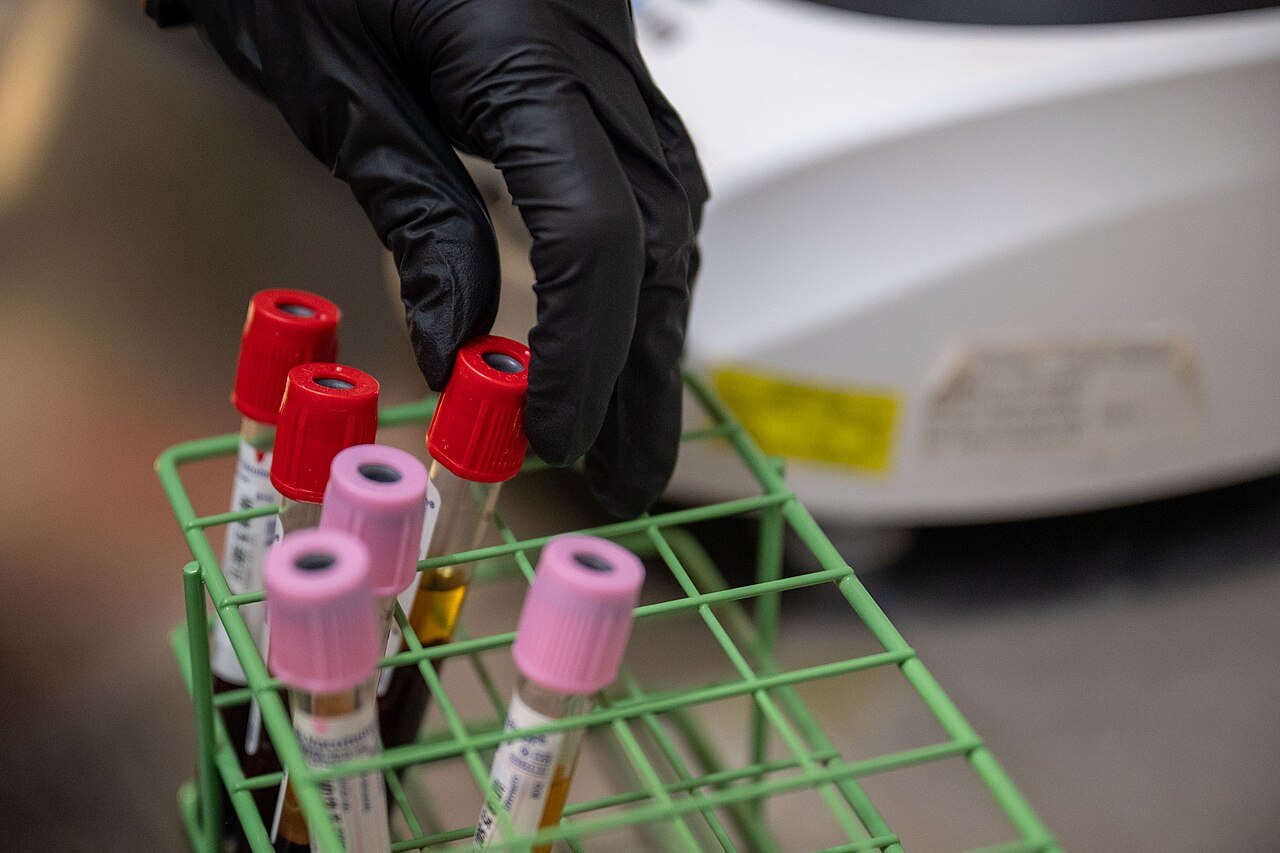
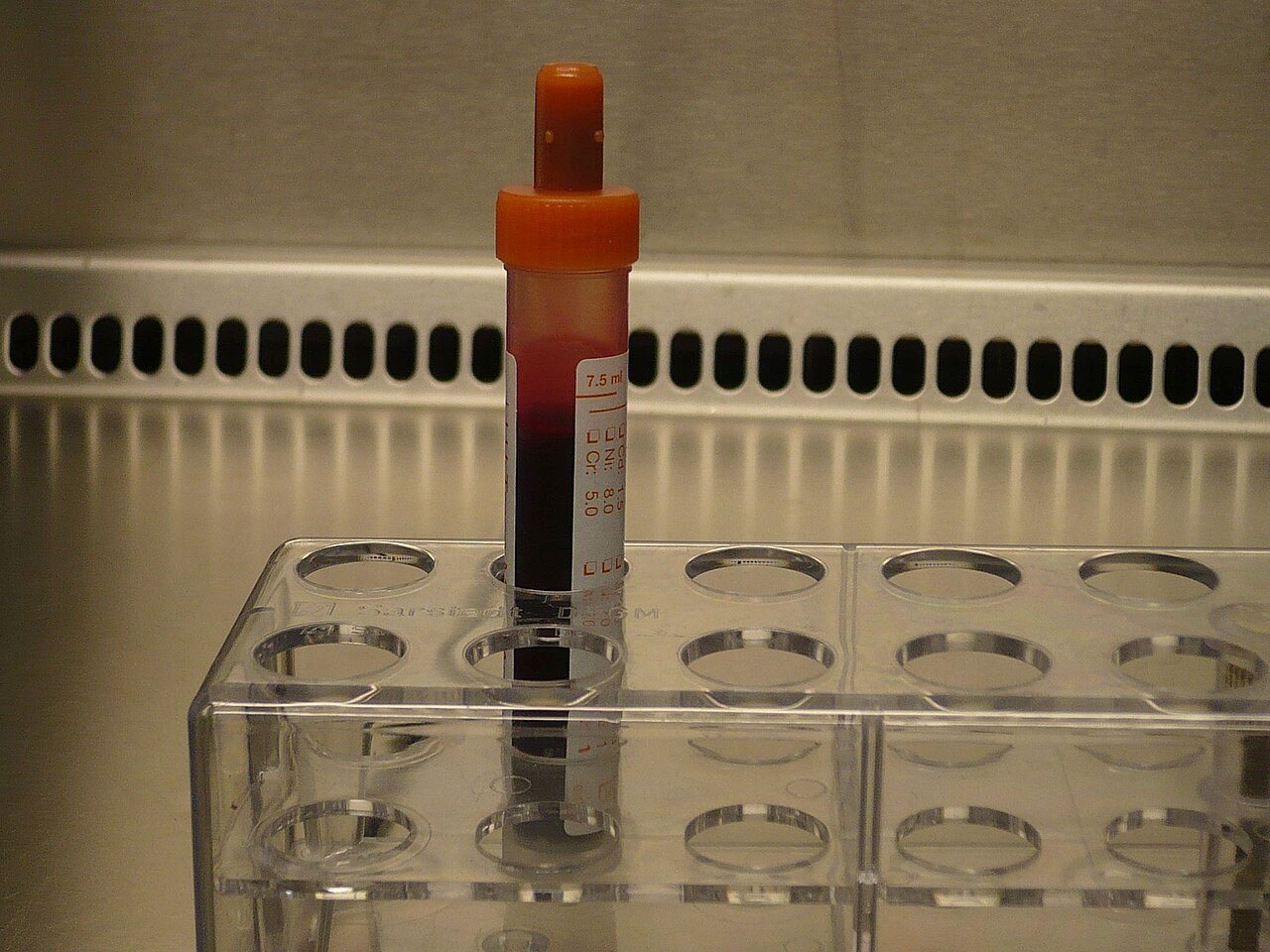
    PRP therapy involves drawing a small amount of your blood, processing it in a centrifuge to concentrate the platelets, and then injecting this platelet-rich plasma into the scalp. Platelets contain powerful growth factors that support tissue regeneration and stimulate dormant hair follicles, encouraging them to enter the growth phase.

    Key Benefits of PRP Treatment

    1. Natural and Safe Hair Stimulation

    Since PRP uses your own blood, the risk of allergic reactions or complications is minimal. This makes PRP one of the safe hair loss treatments available.

    2. Encourages New Hair Growth

    The concentrated growth factors in PRP help reactivate weak or dormant hair follicles, promoting natural regrowth and increasing hair density. Many patients experience improved hair thickness and volume over time.

    3. Non-Surgical and Minimally Invasive

    Unlike hair transplant procedures, PRP doesn’t involve incisions or stitches. Most sessions take about 30–60 minutes, and you can return to your daily routine immediately.

    4. Reduces Hair Fall

    PRP helps strengthen hair roots and reduce excessive shedding. This makes it a popular choice for both men and women dealing with early to moderate hair loss.

    5. Enhances Scalp Health

    Improved blood circulation and nutrient delivery to the hair follicles support a healthier scalp environment — essential for stronger hair growth. 

    6. Suitable for Many Patients

    PRP can benefit people experiencing pattern hair loss, diffuse thinning, or those looking to maintain hair quality after other treatments. It’s effective for most age groups and hair types when follicles are still active.

    How PRP Works — What to Expect

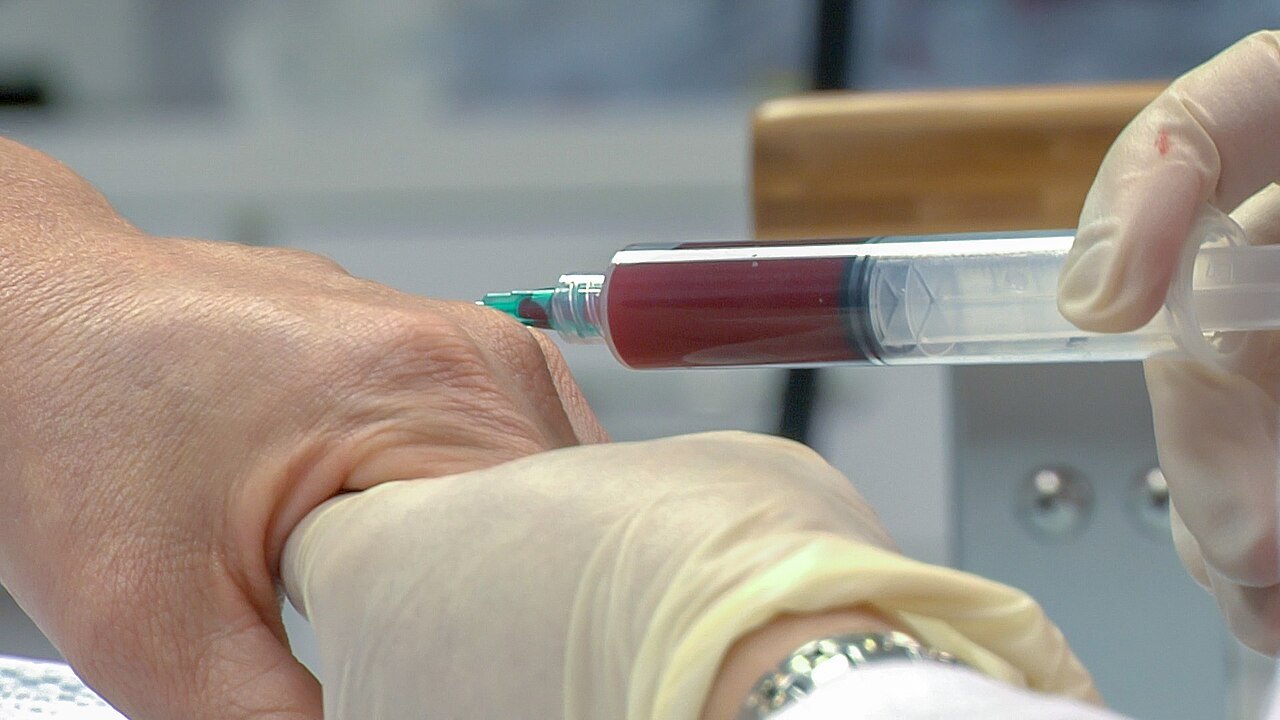
    A typical PRP session begins with drawing a small sample of blood from your arm. This blood is processed to concentrate the platelets, which are then strategically injected into thinning areas of the scalp. While results are not immediate, many patients start noticing reduced shedding and stronger hair within 2–3 months, with continued improvement up to 6 months or more.

    Is PRP Right for You?

    PRP is ideal for individuals with:

    • Early to moderate hair thinning

    • Androgenic alopecia (pattern hair loss)

    • Hair thinning due to stress or lifestyle factors

    • Those who prefer a non-surgical, natural approach

    While PRP isn’t a long-lasting cure, it’s a powerful tool to slow hair loss, improve density, and support long-term scalp health when done consistently.

    Conclusion: Natural Hair Regrowth with PRP

    PRP therapy harnesses the healing power within your own body to naturally support hair regrowth and strengthen hair at the root. Its minimal downtime, safety profile, and effectiveness make it a compelling choice for anyone looking to improve hair health without surgery.

    If you’re experiencing hair fall or thinning, consult a specialist to see if PRP treatment could benefit you. A personalized plan can help you achieve thicker, healthier, and more confident hair. 💆‍♂️🌿

  • PRP and GFC in Guwahati: Their Role in Hair Fall and Hair Weakness

    PRP and GFC in Guwahati: Their Role in Hair Fall and Hair Weakness

    An Overview of Platelet-Rich Plasma (PRP) and GFC

    Platelet-Rich Plasma (PRP) is a medical treatment that harnesses the body’s natural healing abilities. It’s an autologous therapy, meaning it uses a patient’s own blood, which significantly reduces the risk of allergic reactions or immune rejection. The core principle of PRP is to concentrate the platelets from the blood, as they contain a high number of essential growth factors. These growth factors are proteins that act as messengers, telling cells to grow, repair, and regenerate. The use of PRP has expanded beyond its initial applications to become a versatile tool in modern medicine, including in hair restoration.

    The Role of PRP in Hair and Healing

    PRP has gained significant attention in dermatology and trichology for its role in treating various forms of hair loss. The process involves injecting the concentrated PRP solution directly into the scalp. The growth factors are believed to stimulate dormant hair follicles, increase blood supply to the area, and extend the anagen (growth) phase of the hair cycle. This can lead to a noticeable decrease in hair shedding and an improvement in hair thickness and strength. Some of the specific conditions PRP is used for include:

    • Androgenetic Alopecia (Male/Female Pattern Baldness): This is the most common form of hair loss, characterized by a progressive shrinking of hair follicles. PRP is used to help slow down this process, preserve existing hair, and improve its overall health.

    • Alopecia Areata: An autoimmune condition that causes the body to attack its own hair follicles, leading to circular patches of hair loss. PRP is used to help calm the autoimmune response in the scalp and promote hair regrowth.

    • Telogen Effluvium: A temporary condition of increased hair shedding often triggered by stress, hormonal changes, or nutritional deficiencies. PRP can help by stimulating the follicles to return to a normal growth cycle, reducing shedding and accelerating recovery.

    Beyond hair, PRP’s regenerative properties have a long history. It was famously used by elite athletes to help accelerate the healing of muscle, tendon, and ligament injuries. In orthopedics, it’s used to treat conditions like osteoarthritis, where it’s injected into joints to reduce pain and improve function.

    A Note on GFC (Growth Factor Concentrate)

    Growth Factor Concentrate (GFC) represents an evolution of blood-based therapies. While PRP involves injecting a solution that contains the entire platelet and other blood components, GFC is a purer form of treatment. The GFC preparation process isolates and extracts only the concentrated growth factors from the platelets, creating a solution that is completely free of platelets, white blood cells, and red blood cells. This purity is thought to reduce the chance of inflammation at the injection site and may offer a more targeted therapeutic effect.

    Comparing PRP and GFC:

    The fundamental difference lies in the final composition. PRP is a suspension containing platelets, while GFC is a pure solution of the extracted growth factors. In a PRP procedure, the platelets are typically activated in vivo (within the body) after injection. For GFC, the platelets are activated in vitro (in the lab) before being separated from the growth factors, ensuring a specific, concentrated dose is delivered. The choice between these two therapies often depends on the specific condition, the patient’s individual needs, and the provider’s clinical judgment.

    Modern Applications and Technology

    The PRP procedure is non-surgical and minimally invasive, typically completed in about an hour. It starts with a blood draw, followed by processing the blood in a centrifuge to isolate the PRP. The resulting solution is then injected into the target area. A series of sessions is usually recommended for optimal results, with treatments often spaced several weeks apart. The technology used for administering the treatment can vary. Some modern clinics use specialized devices like needless injectors that deliver the PRP solution using high pressure, which can make the process more comfortable for the patient.

    It is important to note that regenerative therapies like PRP and GFC are also often used as a complementary treatment. They may be applied in conjunction with other procedures, such as hair transplants, to help enhance the environment of the scalp, support the healing process, and potentially improve the growth and survival of the transplanted hair follicles.

    You can read up more on PRP in male pattern baldness in these studies:

    https://www.ncbi.nlm.nih.gov/pmc/articles/PMC4622412/

    https://www.ncbi.nlm.nih.gov/pmc/articles/PMC4134641/

    https://www.karger.com/Article/FullText/477671

  • PRP in Guwahati: 19 Things You Need to Know About PRP and GFC

    PRP in Guwahati: 19 Things You Need to Know About PRP and GFC

    19 Points to Know About PRP and GFC

    1. PRP stands for Platelet-Rich Plasma. PRP is a medical treatment that utilizes the patient’s own blood. It’s a form of regenerative medicine that concentrates specific healing components from the blood to aid in tissue repair.

    2. It is derived from the patient’s own blood. The process begins with a standard blood draw from the patient’s arm. This is a crucial step, as using the patient’s own blood minimizes the risk of allergic reactions or rejection.

    3. The key component is platelets. Platelets are small, colorless blood cells that are primarily known for their role in blood clotting. They also act as a natural reservoir for a variety of growth factors and other healing proteins.

    4. Growth factors are the active agents. When activated, platelets release these growth factors, which are proteins that regulate cell growth, migration, and differentiation. They are the key elements that stimulate the body’s natural healing processes.

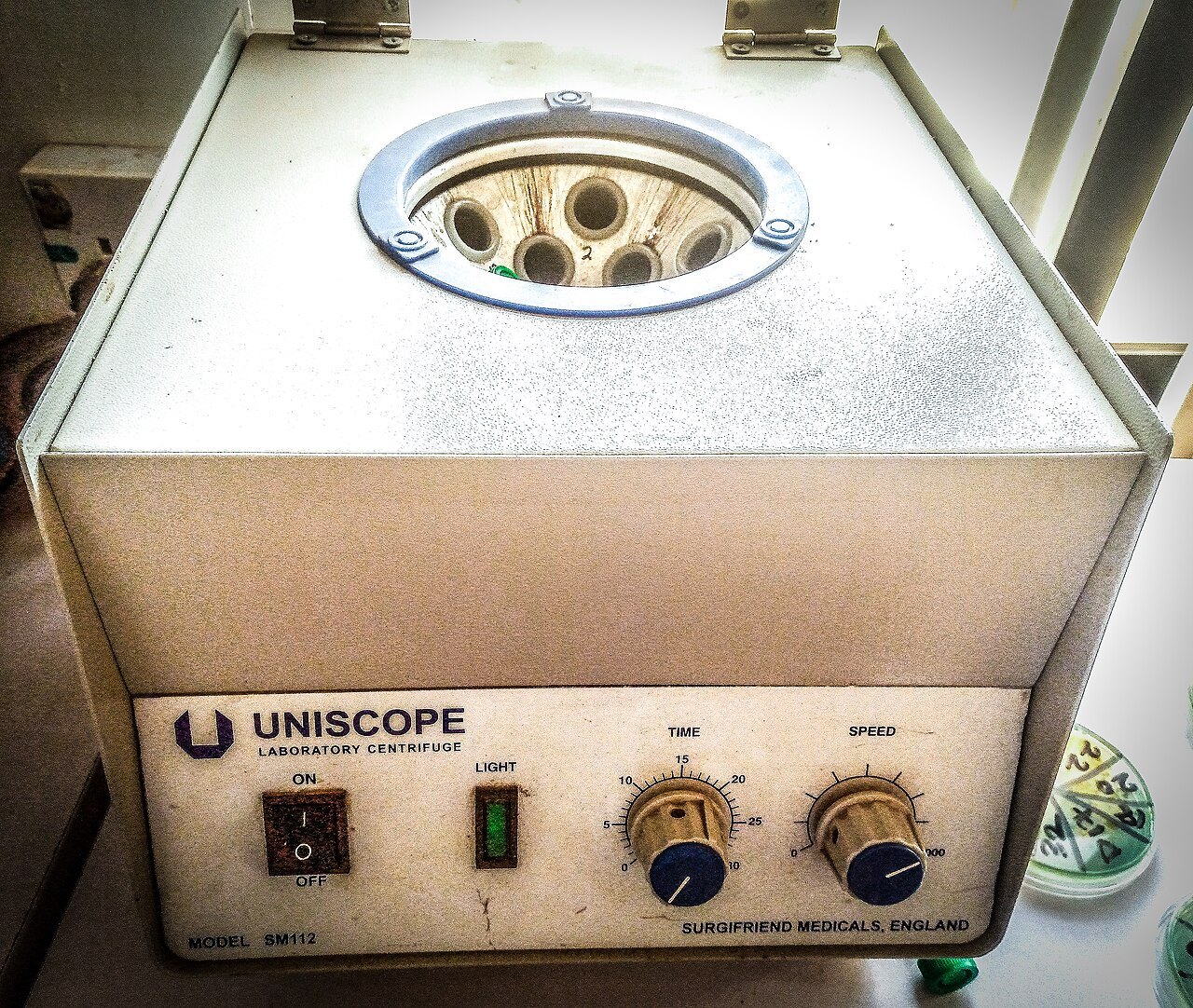
    5. The process involves a centrifuge. After the blood is drawn, it is placed in a specialized machine called a centrifuge. This device spins the blood at high speeds, separating it into different layers based on density. This process isolates the platelet-rich plasma from the red and white blood cells.

    6. PRP has a history in sports medicine. PRP first gained significant attention in the field of sports medicine. It was used by well-known athletes to help accelerate the healing of common injuries, such as sprains and tendonitis, a factor that helped popularize the treatment.

    7. It is also used in orthopedics. Beyond sports injuries, PRP is used in orthopedics to treat chronic conditions like osteoarthritis. By injecting the concentrated solution into affected joints, the goal is to reduce pain and improve joint function by stimulating tissue regeneration.

    8. PRP’s primary use in hair care is for hair loss. In dermatology and trichology, PRP is a common non-surgical option for various forms of hair loss. The growth factors are injected into the scalp to stimulate dormant hair follicles and encourage new hair growth.

    9. It is used for Androgenetic Alopecia. Also known as male pattern baldness, this is the most common type of hair loss. PRP is thought to help by extending the anagen (growth) phase of the hair cycle, which can lead to a decrease in hair loss and an increase in hair thickness and longevity.

    10. Alopecia Areata is another application. This is an autoimmune condition that causes circular patches of hair loss. PRP is sometimes used as a treatment to help suppress the autoimmune response in the scalp and promote hair regrowth in the affected areas.

    11. PRP can help with Telogen Effluvium. Telogen Effluvium is a condition of increased hair shedding often triggered by stress, fever, nutritional deficiencies, or other factors. PRP can be used to help reduce shedding and stimulate the follicles to return to a normal growth cycle.

    12. It may address hair thinning. PRP can be beneficial for individuals experiencing general hair thinning. By increasing the blood supply and nutrient delivery to the hair follicles, it can improve hair diameter and strength, making hair less prone to breakage.

    13. There are different types of PRP. The effectiveness of PRP can depend on the specific preparation method. Variations include Leukocyte-Rich PRP (L-PRP), which contains a higher concentration of white blood cells, and Platelet-Rich Fibrin (PRF), which creates a fibrin matrix that traps platelets and growth factors, releasing them more slowly.

    14. GFC stands for Growth Factor Concentrate. GFC is a newer, more refined approach to regenerative therapy. While similar to PRP, its key difference is in the final product. GFC is a purer solution that contains only the extracted growth factors, without other blood cells.

    15. GFC is a purer form of therapy. The GFC process isolates and concentrates the growth factors directly from the platelets, resulting in a solution that is free from red blood cells and white blood cells. This purity is believed to potentially reduce inflammation and offer a more targeted effect.

    16. The preparation process for GFC differs. In the GFC process, platelets are activated in the lab to release their growth factors before the solution is injected. This ensures a consistent, concentrated dose of growth factors is administered to the treatment area.

    17. A typical PRP procedure takes about one hour. The entire process, from the initial blood draw to the final injection, is generally completed within an hour, making it a convenient treatment option for many patients.

    18. A treatment course often involves multiple sessions. For conditions like hair loss, a single session is usually not sufficient. A common treatment plan involves a series of sessions, often spaced about a month apart. The total number of sessions can vary based on individual response and the specific condition being treated.

    19. Cost and clinic policies vary. The price of PRP and GFC treatments can differ significantly based on the clinic’s location, the technology used, and the number of sessions in a package. It is advisable to consult with a provider to understand the full cost and what is included in the treatment plan.

    Read up more here:

    About Dr. P. J. Mazumdar and Arogyam Hair Transplant Clinic

    Top 30 questions you need to ask about your Hair Transplant Doctor and Clinic

    Know more about the American Board of Hair Restoration Surgery

  • Don’t Let Hair Fall Get You Down: PRP Might Be the Solution

    Don’t Let Hair Fall Get You Down: PRP Might Be the Solution

    PRP is available in Guwahati Assam since several years and Arogyam Hair Transplant is the premier center for PRP treatment in Guwahati, PRP price is one of the lowest in Guwahati Assam. If you’ve been struggling with hair fall, you know how upsetting it can be when the volume in your hair dramatically decreases or you see the first signs of balding on your scalp or around your hairline. Don’t worry, though—you have options, and one of those is PRP (Platelet-Rich Plasma). If you don’t know what this innovative treatment option is, here’s a quick primer: PRP is derived from your own blood and uses growth factors to promote healing and reduce inflammation on different parts of the body, including scalp tissue where hair grows.

    What is PRP?

    Platelet-rich plasma (PRP) therapy has become a popular treatment for hair loss in recent years. The procedure uses a patient’s own blood to stimulate the growth of new hair follicles. PRP can be an effective solution for treating baldness, receding hairlines, and thinning hair.

    PRP therapy involves harvesting a patient’s own blood and then separating out the plasma. The plasma contains higher concentrations of platelets, which are important for healing and regeneration. The PRP is then injected into areas on the scalp that have suffered from hair loss. The platelets release growth factors which stimulate the stem cells to help regenerate new hair follicles.

    When done correctly, PRP therapy can result in thicker, fuller hair growth after several months of treatment. While results may vary from patient to patient, many people who undergo PRP therapy experience significantly improved hair growth.

    How can PRP help with hair loss?

    When it comes to hair loss, there are many treatments available, but PRP (Platelet-Rich Plasma) therapy may be the most promising. PRP is a treatment that uses your body’s own blood plasma to stimulate growth and healing in the scalp. It has been used in plastic surgery and orthopedic medicine for some time, but more recently, doctors have begun to recognize its potential to treat hair loss.

    PRP therapy works by first extracting a small amount of blood from the patient. This blood is then placed in a centrifuge to separate out the platelets. These platelets are then injected into the scalp and they contain powerful proteins and growth factors that can help promote new hair growth.

    There have been several studies that have shown positive results from using PRP therapy for treating hair loss. The treatment is relatively safe and the side effects are usually minimal. Additionally, it does not involve taking any medications or undergoing surgery, making it an attractive option for many people who are looking for a non-invasive way to treat their hair loss.

    What to expect during a PRP treatment

    If you are looking for a way to reduce your hair fall and increase the overall health of your hair, PRP (Platelet-Rich Plasma) treatment could be a viable option. It is a safe and natural therapy that can be used to stimulate hair growth in people suffering from hair loss.

    The PRP treatment starts with a simple blood draw. The blood is then placed into a centrifuge and spun for about 8 minutes. This process separates the platelets from the rest of the blood, concentrating them and creating Platelet-Rich Plasma (PRP).

    Once the PRP is prepared, it is injected into the scalp. The procedure is relatively quick and most patients can expect to be finished within 30-60 minutes. During the injection process, you may experience slight discomfort, but this should pass quickly.

    After the injection, you will need to wait several weeks before seeing any visible results. Most people experience visible hair growth after three to four months. In some cases, the results may be more dramatic than others, depending on your individual situation.

    Are there any side effects?

    When it comes to hair loss, many people are concerned about the potential side effects of treatments. Fortunately, PRP (platelet-rich plasma) therapy is a low-risk treatment that generally has minimal or no side effects. This makes it an attractive option for those who want to treat their hair fall without taking the risk of more aggressive therapies.

    As with any medical treatment, there are some potential risks associated with PRP. However, these risks are generally minor and can be minimized by following all of your doctor’s instructions before and after the procedure. The most common side effects of PRP are temporary discomfort during the injection process, as well as minor swelling, bruising, and redness at the injection site.

    It is important to note that PRP is still a relatively new treatment and there may be additional side effects that have yet to be discovered. Therefore, it is important to discuss the potential risks and benefits of PRP with your doctor before beginning treatment.

    Overall, PRP is a safe and effective treatment for hair fall that typically has minimal side effects. Be sure to talk to your doctor before starting any kind of treatment, so they can help you decide if PRP is the right solution for you.

    How much does PRP treatment cost?

    PRP (platelet-rich plasma) treatment is a promising solution for those suffering from hair loss, but many people have one big question on their minds: how much does it cost?

    The cost of PRP treatment varies widely depending on where you get it done and the extent of your hair loss. On average, the cost of a single session of PRP therapy can range from around Rs 4000 to Rs 8000 in Guwahati Assam. Some clinics may charge more or less than this, so it’s important to shop around and do some research before you commit to any particular clinic.

    In addition to the cost of the actual treatment, you may also need to factor in other costs such as follow-up visits and medications. It’s important to ask your provider about all associated costs upfront so that you can factor them into your budget.

    At Arogyam Hair Transplant Clinic the cost is Rs 5000 per session. We use a very advanced US made vials for PRP and results are excellent. We are the premier center for PRP in Guwahati Assam.

    Keep in mind that PRP is not a quick fix – it can take several weeks to months before you start to see results. Therefore, it’s important to maintain realistic expectations and be patient as you go through the treatment process. With proper care and dedication, however, PRP can be a great long-term solution for those suffering from hair loss.

    PRP in Guwahati Assam

    Are you experiencing excessive hair fall and can’t seem to find a solution? Look no further than PRP (Platelet-rich Plasma) in Guwahati Assam. This innovative treatment has quickly become a popular choice for individuals who are struggling with hair loss, as it provides quick and lasting results with minimal downtime.

    PRP works by taking a small amount of your own blood, separating out the plasma, and then injecting it back into the scalp. This introduces vital nutrients, growth factors, and proteins to the area that can help repair damaged hair follicles and stimulate new hair growth. The entire process is done in-office, and there’s no need for any anesthesia or scalp preparation.

    The main benefit of PRP is that it helps to reverse hair thinning caused by genetics or other factors, rather than simply hiding the problem with medications or other treatments. With regular maintenance appointments, many patients have seen a significant improvement in their hair growth after just one session.

    If you’re ready to give PRP a try, visit the Hair Clinic in Guwahati Assam for a consultation. Our experienced team will evaluate your condition and recommend a good course of treatment for your individual needs. With our help, you can finally put an end to your hair fall and start enjoying thicker, fuller hair.

    Come to Arogyam Hair Transplant and Cosmetic Surgery clinic for the latest PRP techniques.

    Call at 7637089211 for further information and appointment.