Arogyam Hair Transplant and Cosmetic Surgery Clinic
Arogyam Hair & Cosmetic Clinic, Guwahati, Assam 8811077011, 7637089211 guwahatihairtransplant@gmail.com

Category: Hair Transplant

  • Cost of Hair Transplant

    Cost of Hair Transplant

    Cost in Hair Transplant procedures vary widely.

    Cost in reputed AHRS centers is calculated on the basis of the number of follicular units done. A follicular unit is a collection of hair follicles – hair follicles do not exist singly but are grouped into clusters and these clusters are called follicular units. Follicular units are extracted and planted individually and each FU contains 1,2,3 or even more number of hairs.

    So cost depends on a number of factors:

    • The grade of baldness of the patient
    • The individual budget and expectation of the patient
    • The cost per follicular unit for that clinic

    The grade of baldness of the patient is the prime determinator of the cost to the patient. The higher the grade of baldness, the more the follicular units needed by the patient and hence higher the cost. Grade 7 baldness which has lost all hair except the hair at the sides and the back requires 4500 to 5000 FU (follicular units) including from the beard and chest area, and hence cost is highest for grade 7. Someone who has just had a receding hairline in the temporal region may require only 500 to 1000 FU and hence cost will be lower. The number of FU required is also determined by how low the hairline a patient wants – a patient who wants a lower hairline will require more Follicular Units than someone who does not wish for a low hairline.
    hair transplant in Guwahati

    How many FU (follicular units) a person wants to do also determines his or her final expense, and this in turn depends on the budget that the person has determined for his or her transplant. Depending on the patient’s wish, a patient may have a lower or higher budget and can accordingly determine how much FU he or she wants to do. Some patients are satisfied with only a light cover and may choose to do less number of FU while some want a full head of hair and are ready to spend a large amount for this. Thus a patient can choose how much FU to do. A patient may be told he requires 2000 FU to cover his baldness with high density, but he may opt to go for only 1000 FU with lower density coverage. Alternatively he may do only the front portion, or he may choose to do 1000 FU now and another 1000 FU after 6 months, all depending on his budget and his desire. Hair transplant is after all a cosmetic procedure and every person’s needs and desires are different and accordingly each person may choose to go for higher or lower number of FU.

    Price per FU is the third important determinator of the cost.

    Price per FU varies due to a number of factors. One of the main determining factors of the price per FU is the type of procedure performed. FUE is more expensive than the strip method, as it is has more advantages and only few surgeons can offer this. FUE also takes up much more of the surgeon’s time than the Strip method.

    Costs also vary according to the region – typically costs will be more in larger cities than smaller ones. Individual variations in different clinics are also there – those with a larger infrastructure will typically charge more than small, rented premises units, which have fewer overheads (though the safety, sterility, etc may also be compromised in such units). Recently, a lot of controversy has arose about unsafe, small illegal units which offer hair transplant at a discounted price as procedures done in such clinics pose a lot of risk to the patient.

    Main determinant of price per FU is the doctor who performs the surgery. Small commercial centers get the procedure done by technicians, ayurvedic or homeopathic graduates or at good by MBBS graduates. That is why they can offer the procedure at cheaper rates to attract patients and also offer various discounts, etc which should not have happened for a medical procedure. But because of lax regulations, this is allowed in India. Patients who are offered such rates by such centers should enquire about the qualifications of the doctor who is performing the surgery. Such centers also sometimes get the procedure done by a roving doctor or technician team who come only for the procedure and then go back, leaving the patient without any followup for discussing problems.

    Ideally, only AHRS registered or certified doctors should perform this procedure. AHRS (Association of Hair Restoration Surgeons) is the official body of hair transplant surgeons in India, membership or certification from this body is possible only after meeting strict regulations and qualifications. Dr. P. J. Mazumdar is a registered member of AHRS and a member of the Ethics Committee of the AHRS and meets all rules and regulations that are prescribed by this and other international bodies. He is also a Diplomate of the American Board of Hair Restoration Surgery and all ethical and technical norms of the ABHRS and ISHRS are followed in the clinic.

    Cost of hair transplant in India varies between ₹40 to ₹100 per FU in AHRS registered centers which are the gold standard for hair transplant. As discussed above, the costs vary according to whether it is FUE, the size of the center, etc. In Kolkatta and New Delhi, the cost for FUE transplant in an AHRS clinic varies between ₹50 to ₹70 per follicular unit for FUE. Cost in some luxury clinics can go upto ₹ 100 per FU. Medical costs in metros are higher which are not affordable in a region like the North East.

    Cost per FU in Arogyam Hair Transplant Clinic is ₹40 per FU. This includes all costs including GST, anesthetic charge, OT charge, etc. and is offered as a package.

    In addition to this cost, there is a small OT charge of Rs 4000 per procedure.

    Depending on the number of FU (follicular units) done, cost can vary from a minimum of Rs 24000 to more than a Lakh. Most people in the North East do about 1000 to 2000 FU in a session due to various constraints and so the average cost for a transplant is usually between ₹44,000 to ₹84,000.

    These prices are fixed hospital prices and are the same for everybody. No discounts are given.

    This figure is the total cost and there are no other hidden costs. The external costs which are not to be paid to the center include: investigations of about ₹1500 which are needed for any operation in Downtown or other hospitals and registration of ₹600. Medicines are not expensive, costing about ₹600 or so.

    Special Offer:

    For large cases (More than 1000 FU), services worth Rs 11000 will be provided free with each case, call to find out more:

    Total : Rs 11000 worth of treatment free with each surgery!!

    Look up here for a table on the approximate costs according to the number of FU done.

    Click here for prices

    Arogyam Hair Transplant Clinic also offers 0% interest-free installment payments for salaried persons. The conditions for this are:

    • Installment facility is available only for salaried workers of state and central government including defense and security forces.
    • Legal agreement has to be signed with the Hospital for availing installment system. This agreement is binding and the clinic reserves the right to take legal action for any trespass.
    • Patient must reach the hospital on the day prior to the procedure for carrying out the formalities for installment payment.
    • The patient must produce salary slips of the previous two months. In general, monthly salary should be at least three times of the amount to be paid as installment.
    • Patient must also produce bank statement of last three months and have a generally good standing.
    • Half the total cost is to paid on the day of the procedure and the remaining half in three equal instalments
    • Three post dated signed and valid cheques have to given along with the payment for the remaining three instalments
    • Photocopy of Identification proof such as Drivers license or Passport and Employment proof such as Identity card of theInstitution has to be given at the time of payment.
    • Instalment payment will not be considered if valid cheques are not available.

    In Arogyam Hair Transplant Clinic, the costs have been kept at the minimum. This has been done despite the procedure being done through FUE and using the full safety and sterility of the hospital OT and its well staffed and fully modern OT theaters. This allows us to offer the full benefits of this procedure in the NE region where it is still relatively unknown. Persons with high grade baldness usually need between 1500 to 3000 FU while those with lesser degree of baldness with temporal hairline recession can often get a very nice effect with 500 FU only.

    One big advantage of the FUE procedure is that it allows the patient to get the procedure done in stages so that the cost burden does not come at the same time. This was not possible in the earlier strip method. A patient who needs 1500 FU for example to cover his bald areas, can do just 500 FU in one session, then do another 500 FU after 3- 6 months or so and a third sitting later, thus spreading the costs. This way he will ultimately get the same benefit on ‘installment’ basis without being financially stressed. 500 FU can be used to give a good dense ‘forelock’ which is very effective in reducing the bald look. Of course, the more FU that are done, the better is the overall effect.

    Such spread out sessions of transplantation also have an advantage in that the hair growth is not dramatic and not noticeable. Celebrities and others who are constantly in the limelight often prefer to go for such distributed sessions so that there is no sudden change in appearance which might cause comment. The disadvantage is that all the hassle of a procedure is repeated many times.

    Hair transplant is a one-time cost. There are no further maintenance costs and the hair will last your whole life without needing any care. Hair gives you a young and youthfull appearance and helps not just socially but also in one’s career. Read up here for a witty writeup on this hair vs baldand hairy American presidents. Transplants will change not only the way you look and give you greater confidence and ability; what so many research studies have shown is that people tend to place greater trust and belief in those with hair than in balding persons.

    Sometimes people are offered very low quotes on the phone or after enquiring on the web. It should be remembered that such quotes are always suspect. It is upto the patient to make sure that he is not being taken for a ride by some illegal and unsafe clinic. Clinics will offer anything to get the customer into their grip and it is only then that they will show their true face.

    Centers who have taken up hair transplant as a commercial venture perform various tricks to keep the costs low and attract patients. These include:

    • having the procedure performed by non-qualified persons such as technicians, ayurvedic or homeopathic qualified persons or MBBS unqualified doctors
    • having the procedure performed by roving teams of doctors or even technicians who perform the procedure and disappear, so that they cannot be accountable.
    • Compromising on safety and sterility of the procedure – most such clinics do not have proper autoclaving, sterilizing or fumigation methods
    • Quoting prices in terms of hair but calling it follicular units – 1000 hairs may comprise only 500 follicular units but the patient would be charged in terms of 1000 units
    • Shady practises in counting of FU/hairs so that the patient is never sure how much FU have actually been transplanted
    • Quoting a bulk price like Rs 50000 for whole head or in terms of square centimetre to confuse the patient
    • Offering various discounts and offers to attract patients instead of discussing the transplant itself.

    Arogyam Hair Transplant Clinic does not want to discuss any low price offered by some center or other. This is among the lowest price offered by reputed AHRS registered clinics in India, though clinics of lesser standard may offer cheaper prices. We do not compete on prices, only on quality.

    Arogyam Hair Transplant Clinic uses a good instruments like 6X Heine loupes, Titanium Blunt punches, good sterilization and other practises, etc to ensure quality which in the final run is more cost effective than an intial cheap procedure.

    Contact at the center to further discuss the costs and the final estimate.

    There are at present 5 Hair transplant Clinics in Guwahati. Yes, there are 5 now! When we started we were the only clinic doing FUE Hair Transplant back in 2012. They are, in alphabetical order:

    Arogyam Hair Transplant Clinic, Downtown hospital -owned by Dr. P. J. Mazumdar, MS, FICS, ABHRS Diplomate

    Dr. Paul, Zoo Tiniali – part of a chain which started as a homeopathy clinic for hair.

    DHI, Supermarket police point – part of a chain of clinics

    HHY, Bhangagarh – part of a chain of clinics

    Monjoven, VIP Road – owned by Dr. Porag Neog, MS. First hair transplant in the North East was done in Monjoven using strip method in 2010.

    Prices, according to telephonic quotations, are:

    Arogyam: Rs 35 per FU

    Dr. Paul: Rs. 25 per FU

    DHI: Rs. 65 per FU

    HHY: Rs. 30 per FU

    Monjoven: Rs 35 per FU

    As you can see, we fall in the middle range of prices.

    Each clinic has its own strength and weaknesses. Different patients choose different clinics as per their priorities. As a prospective customer, you should examine each clinic and determine which would suit you good.

    Our disadvantages are:

    • We cannot offer the cheapest prices. Our surgeon is the most highly qualified and with the longest experience in FUE in the North East, our instrumentation is of the highest standards, our OT is fully equipped to handle everything, etc. Our prices are not the cheapest but also not the highest either. If you are looking for the cheapest clinic, then we are not it, but if you are looking for good, then please go through our information.
    • Dates may not be readily available. All our dates are generally already booked well in advance, so you should book 2-3 weeks in advance to get the date of your choice.
    • We do not have a high profile advertisement campaign nor sponsored celebrities, hence you may have heard less of us in the media. Being hospital based in fact, there was no advertisement at all in the initial years and it is only now that some internet advertising is being done at a limited scope. Majority of our patients continue to be referral patients from previous satisfied customers. Despite not having a high voltage publicity campaign, we take pride in the fact that we are the largest hair transplant clinic in the NE doing the a large number of transplants per year in this region.
    • We do not offer highly glamorous facilities. Downtown hospital is one of the long-established hospitals in Guwahati, and the layout is not the most fashionable. The OT arrangement is geared towards sterility and efficiency rather than flamboyance.
    • GST is a must. All our documentation is maintained legally and so we pay all our taxes.

    Our advantages are:

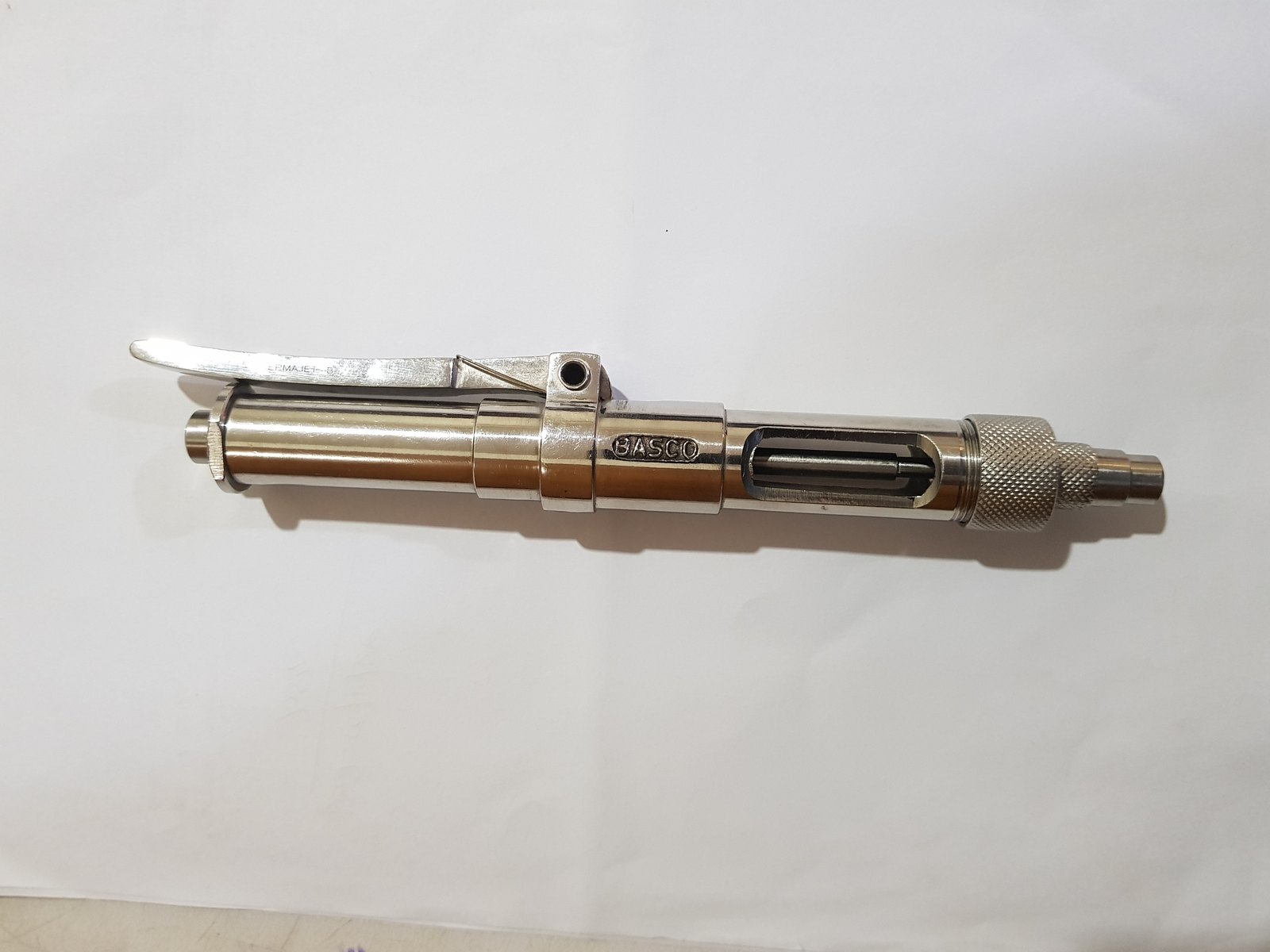
    • Arogyam Hair Transplant uses a good method of hair transplant, Blunt Motorised FUE, and the latest instruments like Heinz 6X loupe, Choi implanters, Blunt Titanium punch, etc
    • Dr. P. J. Mazumdar is the most highly qualified doctor in North East, as he is the only doctor in the region who is A Diplomate of the American Board of Hair Restoration Surgery as Diplomate in Hair Transplant, which is the highest recognition in Hair Transplant, and he is also the most experienced, having started FUE Hair Transplant in the North East in 2012 and doing the a large number of surgeries regularly since then.
    • Arogyam Clinic follows all the ethical and technological norms established internationally by the American Board of Hair Restoration Surgery and the ISHRS (International Society of Hair Restoration Surgery) like ethical advise, cost quoted in grafts, hairline with multilevel graft placement, etc
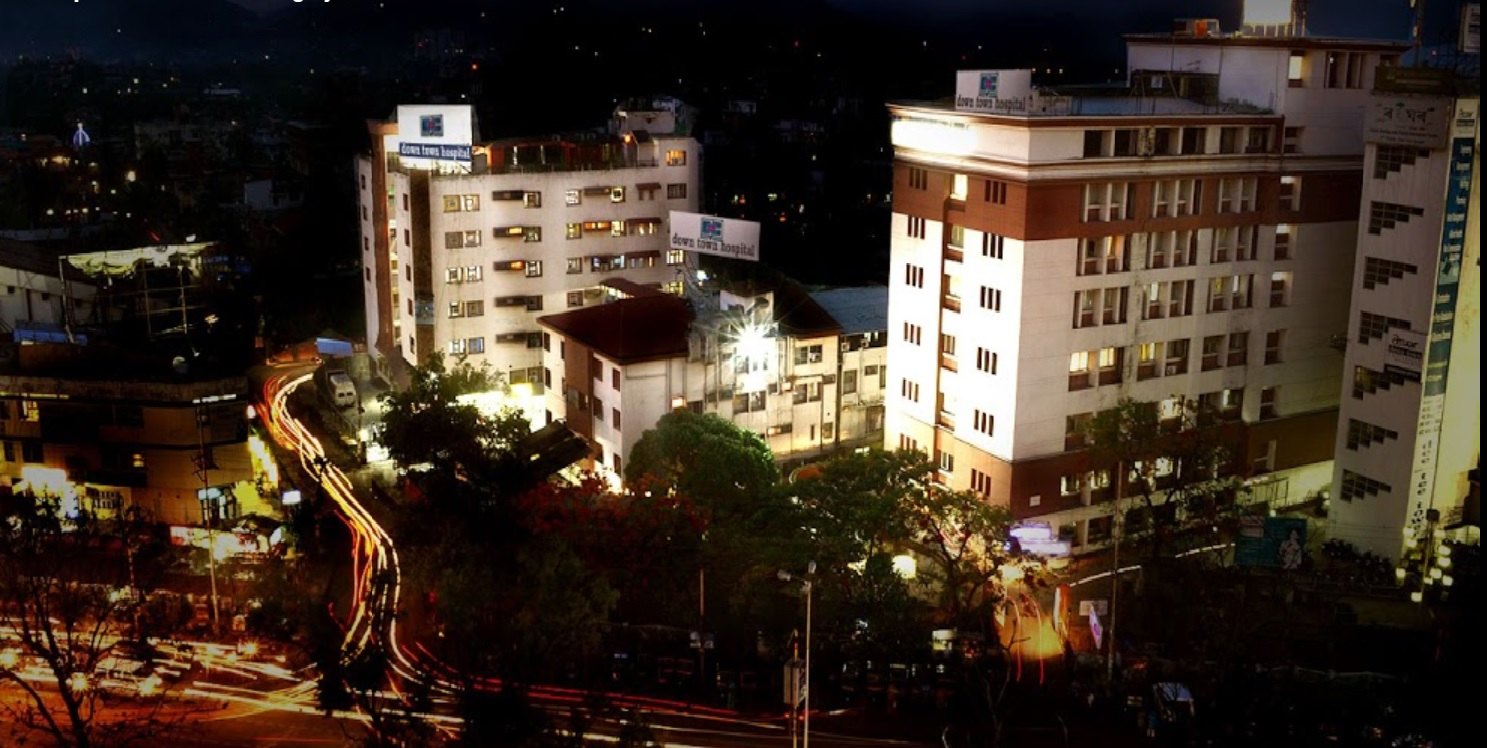
    • Arogyam Hair Transplant is situated in Downtown Hospital and all essential emergency services including full staff from anesthesilogists to emergency nursing care is available round the clock in case of any emergency.
    • All advise and post operative care, etc is done by the operating surgeon
    • All necessary steps of the transplant like slit making, extraction, etc is done by the surgeon
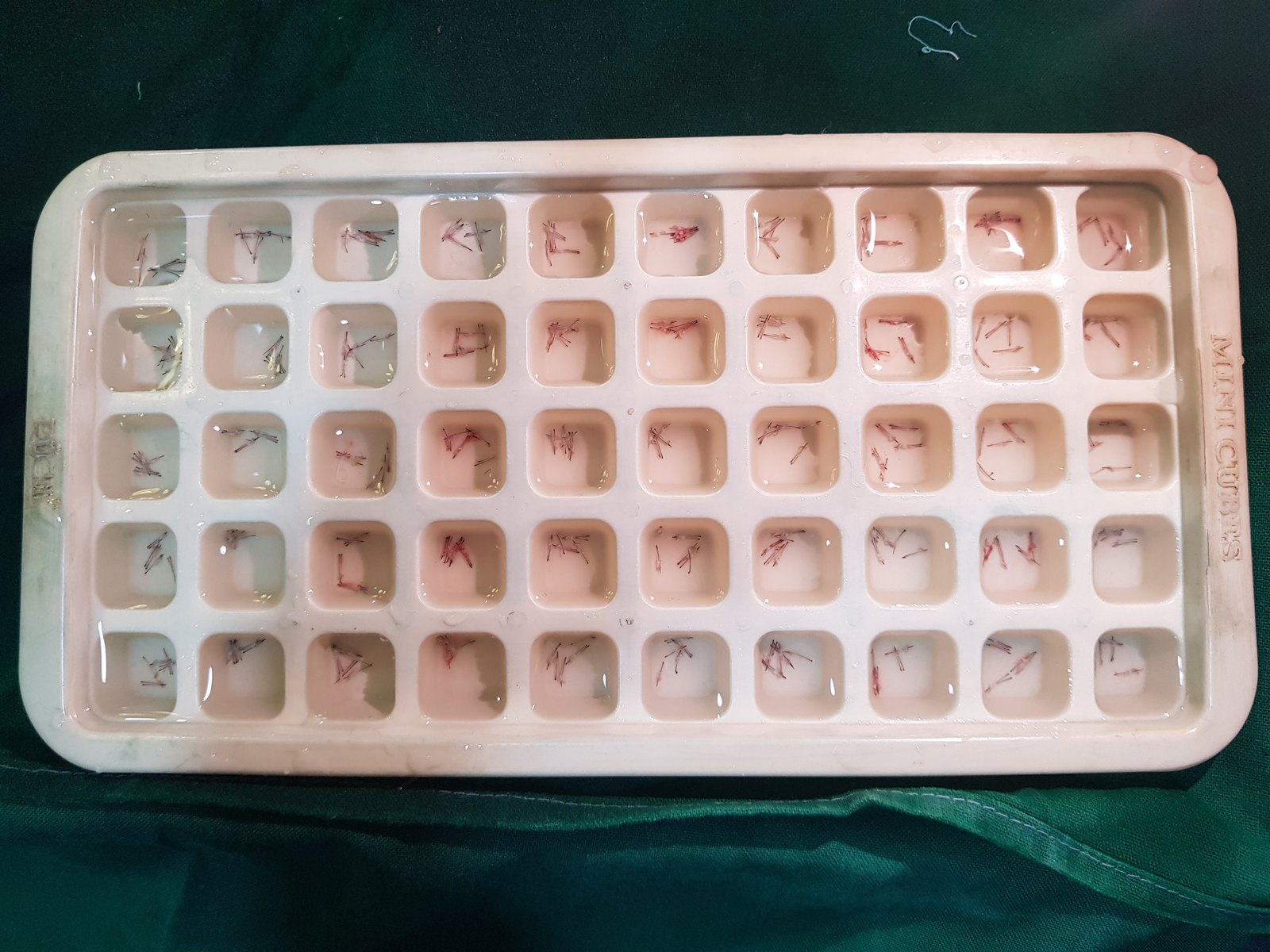
    • Counting trays are used for full verification of the FU number and quality so that no doubt is left in the minds of the patient
    • Full sterilisation according to highest OT standards is done in the main OT of Downtown hospital

    Read up more here:

    About Dr. P. J. Mazumdar and Arogyam Hair Transplant Clinic

    Top 30 questions you need to ask about your Hair Transplant Doctor and Clinic

    Know more about the American Board of Hair Restoration Surgery
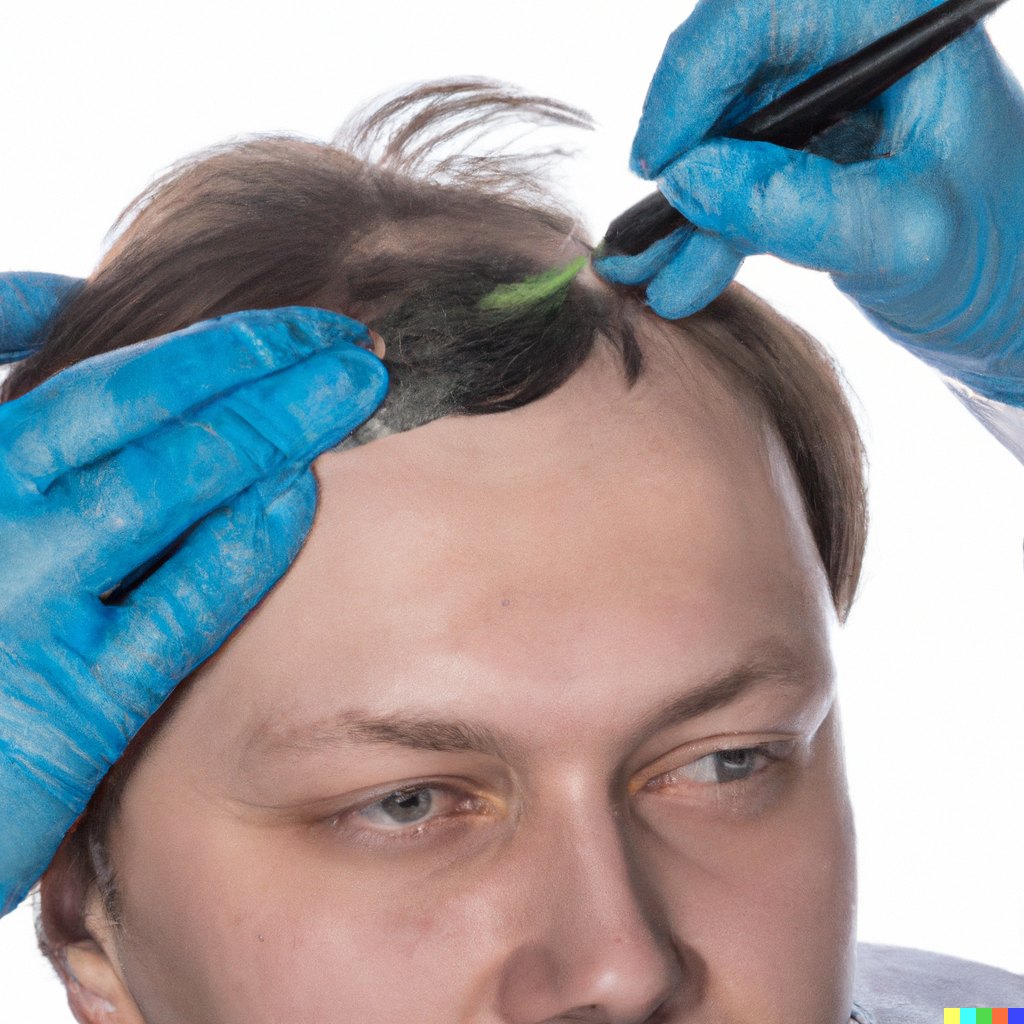
  • What Happens on the Day of the Procedure

    What Happens on the Day of the Procedure

    Previous day

    এই পৃষ্ঠাটি বাংলায় পড়ুন

    • There are no work restrictions for the previous day and no diet restrictions. Patient should have healthy normal diet.
    • Alcohol must be avoided on the day prior to procedure and restricted for 3 weeks prior to 90 ml per day or less.
    • Smoking should be stopped completely from 3 weeks ahead for good results, if this is not easy then it should at least be restricted as far as possible. Smoking hampers good results.
    • Patient should shampoo his hair the day before the procedure with normal shampoo.
    • If some portion of hair is greyed (whitened), then there is no need to dye the hair as only the black hairs will be taken. If majority of hair is greyed or whitened, then it is preferable to dye the hair so that hair can be taken easily. Ask your doctor whether or not to dye the hair if you dye hair regularly.
    • Cash for payment must be readied. Payments have to be made in cash and in advance before the procedure starts. There will be no time to take it out from the ATM on the day of the procedure. Patient must have the cash ready when he reaches the OT the next day.
    • If installment payment is being planned, then patient must sign the agreement for installment payment on the day prior to the procedure. The patient must go to the Hospital on the day prior to the procedure and take required documents along with him which includes salary slips, photostat copies of identity proofs, cheque book, etc. Please check the page cost in hair transplant for the requirements for installment payments.
    • All investigation reports which are advised for the procedure must be readied if they have not already been reviewed. If investigations have been done in Downtown hospital or Arogyam, the reports can be collected by our staff. If they have been done outside, the reports must be collected and checked against reference values to see whether they are normal. Reports must be produced before the procedure starts.
    • Attendants (accompanying persons) are not a must for the procedure. Most patients come alone for the procedure. However it is desirable that an accompanying person should be there with the patient which helps to reduce stress for the patient. Attendants should be told beforehand to be ready at the proper time. Attendants need not wait outside the OT during the procedure as it will be a day long procedure, after initial discussions with the doctor the attendant can leave for his own work and can remain in contact over the phone. If there is no attendant, an emergency contact number of someone in Guwahati should be arranged for the day of the procedure.

    এই পৃষ্ঠাটি বাংলায় পড়ুন

    hair transplant in Guwahati

    Day of the procedure:

    • Patient must have full normal breakfast on the morning of the procedure.
    • He must carry with him a cloth cap to wear on the way back.
    • He must take along the investigation reports with him.
    • He should also have ready the cash payments as discussed.
    • He should wear a buttoned shirt rather than a T-shirt which may cause problems while putting on after the transplant.
    • Food or drinking water need not be taken along as these will be available in the hospital.
    • Patient is required to reach Downtown hospital, Building no 1 at 9 AM sharp.
    • If registration in the hospital has not been done previously, then registration must be done at the reception. Registration fees is Rs 100.
    • Pt is then directed to the OT which is on the 2nd floor.
    • Patient’s weight is taken, BP is measured and sensitivity test is done.
    • A gel is applied in the area of the transplant.
    • Patient is also asked to take 2 painkiller tablets and a tablet for acidity. This will be supplied by staff.
    • Patient must then sign the consent form. General consent form of hospital OT is supplied and no special consent is required for hair transplant.
    • Patient then changes into the OT patient dress.
    • The doctor and patient then again review the plan for the transplant. The number of grafts to be transplanted, the area where the hairs will be planted, general line of the hairline, etc are discussed.
    • Patient then makes full payment according to the number of grafts that are to be done. Full advance payment must be paid as agreed upon prior to the procedure. Payment should be in cash. This is the hospital protocol. Procedure will start only after payment is made.
    • Photographs of the patient’s bald areas from a few different angles are taken. These photographs are only for patient record and are required by law for all cosmetic surgery. They will not be published in media or online.
    • Then comes the all important task of drawing the hairline. The patient reviews the hairline and only when both the patient and the doctor are satisfied with the hairline, it is finalized. The grafts will be given according to this hairline.
    • Patient’s hair is then trimmed. Hair is trimmed to 3 mm which is the approx length at which army people keep their hair.
    • The patient then lies down on his back and the plantation area is scrubbed with antiseptic solution. Local anesthetic injections are then given in the front and other areas where the hair is to be planted. This completely anesthesizes the skin and the patient will not feel any pain during the procedure.
    • Slits are then made in the areas where hair will be planted. Slits are very small and hardly visible to the naked eye. The number of slits is equal to the planned number of grafts. The surgeon makes the slits according to the plan of the transplant. They are directed according to the natural direction of hair.
    • Once slits are completed, the patient lies on his stomach. A gel pillow is used to place the head and face. The donor area at the back of the head is then scrubbed. Local anesthetic injections are then given at the back of the head. The surgeon the begins the process of FUE. The number of grafts that are taken out at one time depend on the number of grafts to be done during the day. If 2000 grafts are planned for the day, for example, usually 1000 grafts will be taken out at one time.
    • The patient then again shifts his position and lies on his back. The grafts which have been taken out are immediately planted into the slits by the staff assistant. This minimizes the out-of-body time.
    • Working lunch is then served for patient and staff.
    • In the afternoon, the same routine of taking out grafts and then plantation is followed to complete the process of transplant.
    • Once the process is completed, the area is then cleaned and a bandage is given at the back of the head.
    • The patient then changes back into his normal clothes. The patient can now wear the cap he has brought so to cover the signs of the procedure on the way back.
    • The doctor now explains the medicines to take and protocols to follow. Antibiotics and painkillers have to be taken for 7 days. The patient can bathe from the next day and wet his head also but shampooing is to be started after 4 days. No dietary restrictions but smoking and alcohol is to be avoided or restricted. No other special precautions are needed.
    • The patient can then go back home.
    • He can join work from the very next day.

    এই পৃষ্ঠাটি বাংলায় পড়ুন

  • 10 Things to Know About Beard and Moustache Transplant in Guwahati

    10 Things to Know About Beard and Moustache Transplant in Guwahati

    Top 10 things you need to know about beard and mustache transplant in Guwahati, Assam

    Facial Hair Transplant, which includes beard and moustache transplant, is becoming increasingly popular in Guwahati, Assam and in the North East as a whole. Beard and moustache transplant was first started in the Assam and the North east in Arogyam Hair Transplant and Cosmetic Surgery Clinic in 2013, and Arogyam continues to be a good and well known clinic for facial transplant in Guwahati and the North East. Not much is known, however, by patients in general about how beard and moustache transplant is done. Here are the top 10 things you need to know about beard and moustache transplant.

    1. Beard and moustache transplant is the second well known hair transplant after scalp transplant. Beard and moustache is becoming more and more popular in Guwahati, Assam and the North East in keeping with the national and international trends. Present fashion trends in which beard and moustache is kept long has contributed to the trend, along with increased awareness, greater success rate, etc.
    2. Beard and moustache develops in males around the time of puberty, from around 16 years. By the time a person is of 22 years, he will have developed full adult level beard and nmoustache.
    3. Beard and moustache transplant hence is not done before 22 years, as it is better to wait till this age to see how much growth will occur.
    4. Beard and moustache transplant is needed for various reasons. The most important reason is genetically low growth of hair in the beard and moustache area. There may be either no growth at all in some areas or there may be decreased density. Sometimes the shape of the beard or moustache is not satisfactory. All this can be corrected with transplant. Scars in the beard and moustache area can also be very well corrected by transplant.
    5. There are no specific medicines to increase beard and moustache growth. All other oils, etc sold in the market are of no use and there is zero scientific evidence for them. Hair transplant is the only answer.
    6. Beard and moustache transplant is a very successful procedure. Because of the high vascularity of the face, the survival rate is very high. However, proper precautions are needed to ensure that there is good survival.
    7. The correct angle and direction is very important in beard and moustache transplant. It is important that the grafts must be planted in the correct and natural looking angle and direction, otherwise the whole look will be spoilt.
    8. It is vital to choose an experienced and qualified doctor so that a good and natural looking result is obtained. Arogyam clinic is the first clinic to start beard and moustache transplant in the North East and continues to be the well known clinic for this. Dr. P. J. Mazumdar started FUE hair transplant in this region and is the leading specialist for beard and moustache transplant.
    9. The number of grafts needed for moustache and beard transplant varies according to the individual. Moustache grafts usually require only between 500 to 800 grafts. Beard requirements can vary widely, a small French-beard type growth can usually be done within 1000 to 1500 grafts whereas a full beard would require upto 3000 grafts which needs to be done over two sessions at 6 months gap.
    10. Cost can also vary accordingly. Cost for moustache transplant is usually around Rs 30,000. Cost for beard can vary between Rs 30,000 to Rs 60,000 depending on the area required, and even more for some cases.

    Consult at the Arogyam Hair Transplant and Cosmetic Surgery Clinic to know your full cost and all other details of the transplant. Call at 8811077011 / 8811077011 for appointment.

    Read up more here:

    About Dr. P. J. Mazumdar and Arogyam Hair Transplant Clinic

    Top 30 questions you need to ask about your Hair Transplant Doctor and Clinic

    Know more about the American Board of Hair Restoration Surgery
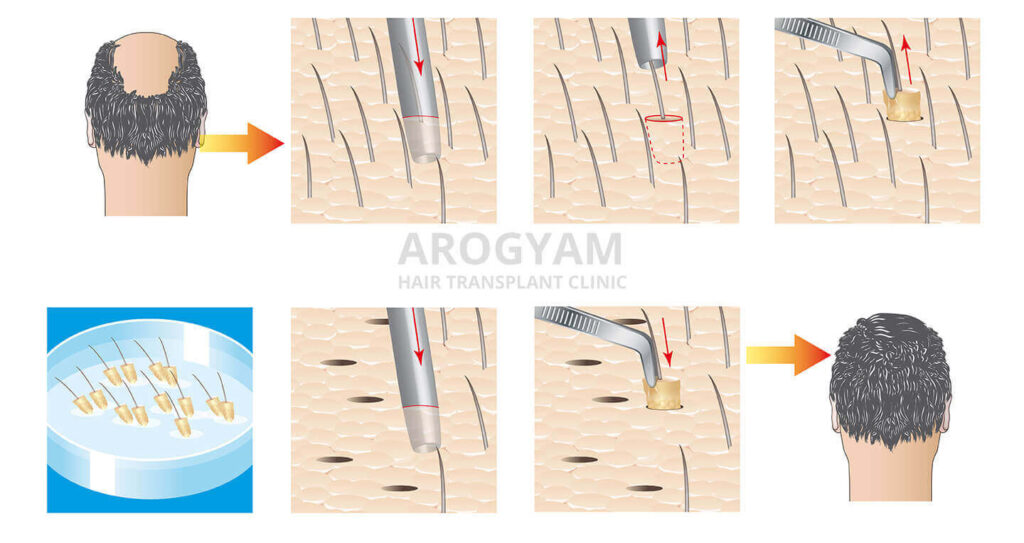
  • The Ideal Density of Hair in Hair Transplant

    The Ideal Density of Hair in Hair Transplant

    What is the ideal density of hair in Hair Transplant

    To understand the ideal density of hair in hair transplant, we first need to understand what density of hair means.

    Density of hair is the number of hairs which are located within an area of the scalp. This density can mean both the natural density of hair and that after hair transplant.

    It is usually measured in grafts per square centimeter. It is important to remember that here we are using the word ‘grafts’ and not ‘hairs’. Each graft can contain from 1 to 4 or even more hairs.

    The natural density of hair in a young person is usually around 80 to 100 grafts per square centimeter. As we age, both the number of hairs per graft and the number of grafts per square centimeter comes down. Hair loss becomes noticeable only when hair density falls below 40 or 50 grafts per square centimeter.

    Here lies the main principle of hair transplant. A density of 40 to 50 grafts per square centimeter is sufficient to attain a good cover for the head. Plus other techniques like using grafts with higher number of hairs like 3 hair or 4 hair grafts at the front and lesser number of hairs are used to give a very good cover with only 40 to 50 grafts or even less per square centimenter.

    Several studies have shown that when grafts are packed closely more than 50 grafts per sq cm, the survival of grafts falls down. So it is not advisable to give more than 50 grafts per square cm.

    But as we have seen, a density of less than 50 is sufficient to give a good cover, so we obtain very satisfactory results with this density.

    If a higher density is wished for, then a second transplant is done after 6 months in which grafts can be planted in between existing grafts to give an even higher density.

  • The Postoperative Period in Hair Transplant

    The Postoperative Period in Hair Transplant

    Postoperative period in hair transplant is generally uneventful. You will not get any major problems that are expected after most other surgeries. After all, here there are no major muscles or any other tissues that are cut, it is only on the skin itself that the entire procedure is done. So the process is quite smooth and there is no major inconvenience.

    Things to expect are:

    • Pain: Painkillers have to be taken in the postoperative period for about three days or so. After that period, usually no further painkillers are needed. Simple NSAID painkillers are sufficient to control the pain very effectively and you will not experience any pain with these medicines.
    • Swelling: Swelling is an inescapable part of hair transplant. Swelling occurs in the forehead which can spread upto the eyelids. Swelling is due to the softness of the skin of the face – during plantation punctures are made into the skin for each hair and it is this that causes the swelling. Swelling can be minimised by using ice. Anti-swelling medicines are also given. The swelling goes down in three days.
    • Discolorations and marks on the skin: The skin has some reddish marks following the operation. Small scabs are also formed around the hair follicles. This will disappear by itself in about two weeks.
    • Itching: Some amount of itching will also occur. This is part of the body’s natural process of healing. As the pinpoint pricks heal, they give rise to itching. This occurs mainly from 7 to 10 days after the procedure. Anti-itching drugs will be prescribed which will control the itching during this period.

    Advise for the post-operative period

    • You may wear a cap from the immediate post-operative period.
    • You can go back home immediately after the procedure. It is good to have someone to drive you home after the procedure as driving can be difficult if sedatives are given as in some cases.
    • You will be prescribed four classes of medicines as discussed above: antibiotics, painkillers, anti-swelling medicines and anti-itching medicines. Besides this, you may be prescribed vitamins and also medications for hair loss.
    • You will need to keep your transplanted hair moist for a week. You can use a normal saline solution for this which will be prescribed for you or plain drinking water.
    • You can take a bath from the next day and you can also wet your hair from the next day, though you must avoid rubbing or brushing the transplanted area.
    • You will need to shampoo your hair from the fourth day onwards twice weekly with a special shampoo. This helps to remove small scabs and crusts from the scalp. This is to be followed for one month.
    • You can apply an antiseptic ointment to the back of the head, the donor area -this will help in healing. Both the transplanted area and donor area heals in about 5 days.
    • The shafts of hair from the transplanted hairs fall off in about three weeks. This is called ‘shock loss’.
    • New hair will start to grow from the follicles planted inside and by three months you will see steady growth – by six months you will see the effect of the transplanted hair and it will make a definite change in your look.
    • It can take 8 to 12 months from the procedure to show its full effect.
    • Once the hair grows, no special care is needed for the hair. It is your own natural hair. You do not any special hair oil or shampoo for it. You can dye it using normal hair dye. You can comb and shape it in any way you choose. You can also shave your head – it will grow back normally.
  • Investigations Required in Hair Transplant

    Investigations Required in Hair Transplant

    A number of investigations may be advised at the first consultation for hair transplant. These are necessary both to find out any causes for hair loss and also to ensure suitabilityfor the surgical procedure.

    • Blood routine investigations – hemoglobin, WBC, ESR.
    • Random blood sugar
    • Lipid profie – cholesterol, triglycerides, etc
    • Liver Function tests – serum bilirubin, SGOT, SGPT, etc
    • Thyroid function tests – T3, T4, TSH
    • Iron metabolism tests – serum iron, Total Iron Binding Capacity, Ferritin
    • Serological tests – like Hepatitis B
    • Bleeding disorder tests – like bleeding times, clotting times

    This list is only an indication – all these tests may not be required or some additional tests may be given depending on the patient.