Arogyam Hair Transplant and Cosmetic Surgery Clinic
Arogyam Hair & Cosmetic Clinic, Guwahati, Assam 8811077011, 7637089211 guwahatihairtransplant@gmail.com

Category: Hair Transplant

  • Low Level Laser Therapy in Hair Loss

    Low Level Laser Therapy in Hair Loss

    Low Level Laser Therapy is the method of using laser light at very low power to stimulate body cells.

    LLLT was first discovered soon after the invention of the Ruby laser. It was found that the use of this laser light at low power on the backs of shaven mice caused the hair to grow back faster. Subsequently many other uses of LLLT were discovered.

    LLLT is used not just for hair rejuvenation but also for faster healing of wounds and ulcers, in chronic joint pain, muscle pain, etc and for rejuvenation of skin.

    LLLT uses light at red or infrared frequency. The light is projected on to the scalp and kept for the specified time. The exact mechanism through which LLLT acts is not known, but it is hypothesized that LLLT acts on the mitochondria in cells to cause increased ATP generation which in turn leads to increased oxygenation and activity of the cell.

    LLLT will not cause bald areas of the scalp to regenerate hair follicles. It is similar to the fact that medicines can help a sick person to get well but nothing can revive a dead person. So also LLLT cannot revive the dead hair follicles in bald areas but it can rejuvenate follicles which have become weak. LLLT works well for persons who have been having severe hair fall. It also works for those with thin hair, weak hair, hair which has become easily breakable, etc and helps to make such hair stronger.

    LLLT is available in Arogyam Hair Transplant Clinic. A sophisticated 80-laser array helmet-type assembly is used which is to be worn on the head. It is used for those with excessive hair fall and weak hair. During the process, the helmet is worn on the head and the patient sits in a chair for the required time. It is a comfortable process and the patient will not feel anything.

    Sessions last for 15-20 minutes once or twice a week for 6 weeks. This is sufficient to reduce hair loss and rejuvenate the hair. Each session costs Rs 500.

    There are quite a lot of scientific studies done on LLLT. Most studies show a clear benefit in hair rejuvenation but a few studies have not reported any positive results. There is hence a scientific controversy as to whether it actually helps in hair rejuvenation and other conditions in which it is used. It has both academic supporters and detractors. Overall there is reasonable scientific evidence to go for this treatment, on the premise that it at least will not cause any harm, even if it does not bring any benefits. Links to some studies both positive and neutral are given below. It is really up to the individual person to read up and decide whether to go for this treatment.

    https://www.ncbi.nlm.nih.gov/pmc/articles/PMC3944668/

    https://www.ncbi.nlm.nih.gov/pubmed/26690359

    https://www.ncbi.nlm.nih.gov/pubmed/23924031

    https://www.ncbi.nlm.nih.gov/pubmed/23970445

    https://www.ncbi.nlm.nih.gov/pubmed/25124964

    https://www.ncbi.nlm.nih.gov/pubmed/24078483

  • Hair Transplant for Patients from Shillong

    Hair Transplant for Patients from Shillong

    Shillong is the capital city of Meghalaya. It is a beautiful city, and is a showcase of architecture, both the traditional architecture of the Khasis and also the spacious beautiful bungalows built by the British. It was the capital of the united Assam during the British times, and since then has remained as one of the most important cities in the Northeast.

    The nearest center for hair transplant in Shillong is available at Downtown Hair Transplant Clinic in Downtown hospitals, Dispur.

    Downtown Hair Transplant Clinic, headed by Dr. P. J. Mazumdar, MS, offers the latest FUE technique of hair transplant. This is the only clinic offering this advanced technology in the North East, and at the most affordable rates. In FUE, there is no cutting or stitching; this makes the procedure much more safe and pain-free.

    Look up here for an article on the basics of hair transplant ⇒ Basics of Hair transplant

    Look up here for an article on the costs in hair transplant in Downtown Hair Transplant Center ⇒ Costs in Hair transplant

  • How Stress & Lifestyle Are Causing Hair Fall in Your 20s

    How Stress & Lifestyle Are Causing Hair Fall in Your 20s

    How Stress & Lifestyle Are Causing Hair Fall in Your 20s

    Hair fall is no longer just an age-related concern. Today, many individuals in their 20s are experiencing significant hair thinning and hair loss. The major culprits? Stress and an unhealthy lifestyle.

    If you are noticing excessive hair fall at a young age, understanding the root cause is the first step toward effective treatment.

    Why Are People in Their 20s Facing Hair Fall?

    Modern life has become fast-paced and demanding. From career pressure to irregular routines, your body—and your hair—are constantly under stress.

    Hair health is closely linked to your overall well-being. When your body is affected, your hair shows the first signs.

    The Role of Stress in Hair Loss

    Stress can directly disrupt your hair growth cycle. It can push hair follicles into a resting phase, leading to increased hair shedding—a condition often referred to as telogen effluvium.

    Emotional stress, work pressure, anxiety, and even lack of sleep can weaken your hair roots over time.

    Lifestyle Habits That Damage Your Hair

    1. Poor Diet

    Lack of essential nutrients like protein, iron, and vitamins can weaken hair follicles.

    2. Irregular Sleep

    Your body repairs itself during sleep. Poor sleep affects hair growth and increases hair fall.

    3. Excessive Screen Time & Stress

    Continuous screen exposure and mental strain increase stress hormones, impacting hair health.

    4. Smoking & Alcohol

    These reduce blood flow to the scalp, weakening hair roots.

    5. Improper Hair Care

    Frequent styling, chemical products, and neglect can damage hair structure.

    Early Signs You Should Not Ignore

    * Excessive hair on pillow or comb
    * Receding hairline
    * Thinning at crown area
    * Reduced hair volume

    Ignoring these signs can lead to long-lasting hair loss if not treated early.

    How to Control Hair Fall in Your 20s

    Improve Your Lifestyle

    * Maintain a balanced diet
    * Sleep at least 7–8 hours
    * Manage stress through exercise or meditation

    Seek Professional Treatment

    Home remedies alone may not be enough. Advanced treatments can help restore hair health effectively.

    At Arogyam Hair Transplant Clinic, we offer:

    * PRP Therapy
    * Advanced Hair Transplant Techniques
    * Personalized Hair Loss Treatments

    When Should You Consider Hair Transplant?

    If hair loss has progressed significantly and natural regrowth is not possible, a hair transplant can be a long-lasting solution.

    Modern techniques ensure natural-looking results with minimal downtime.

    Conclusion

    Hair fall in your 20s is often a result of stress and lifestyle choices—but it is manageable and treatable. The key is early diagnosis and the right approach.

    If you are struggling with hair loss, don’t ignore it. Taking timely action can help you regain not just your hair, but also your confidence.

  • Stages of Baldness in Men: Complete Guide (Norwood Scale Explained)

    Stages of Baldness in Men: Complete Guide (Norwood Scale Explained)

    Stages of Baldness in Men: Complete Guide (Norwood Scale Explained)

    Hair loss is one of the most common concerns among men today. Understanding the stages of baldness is the first step toward choosing the right treatment. Doctors worldwide use the Norwood Scale to classify male pattern baldness and guide treatment decisions.

    What is the Norwood Scale?

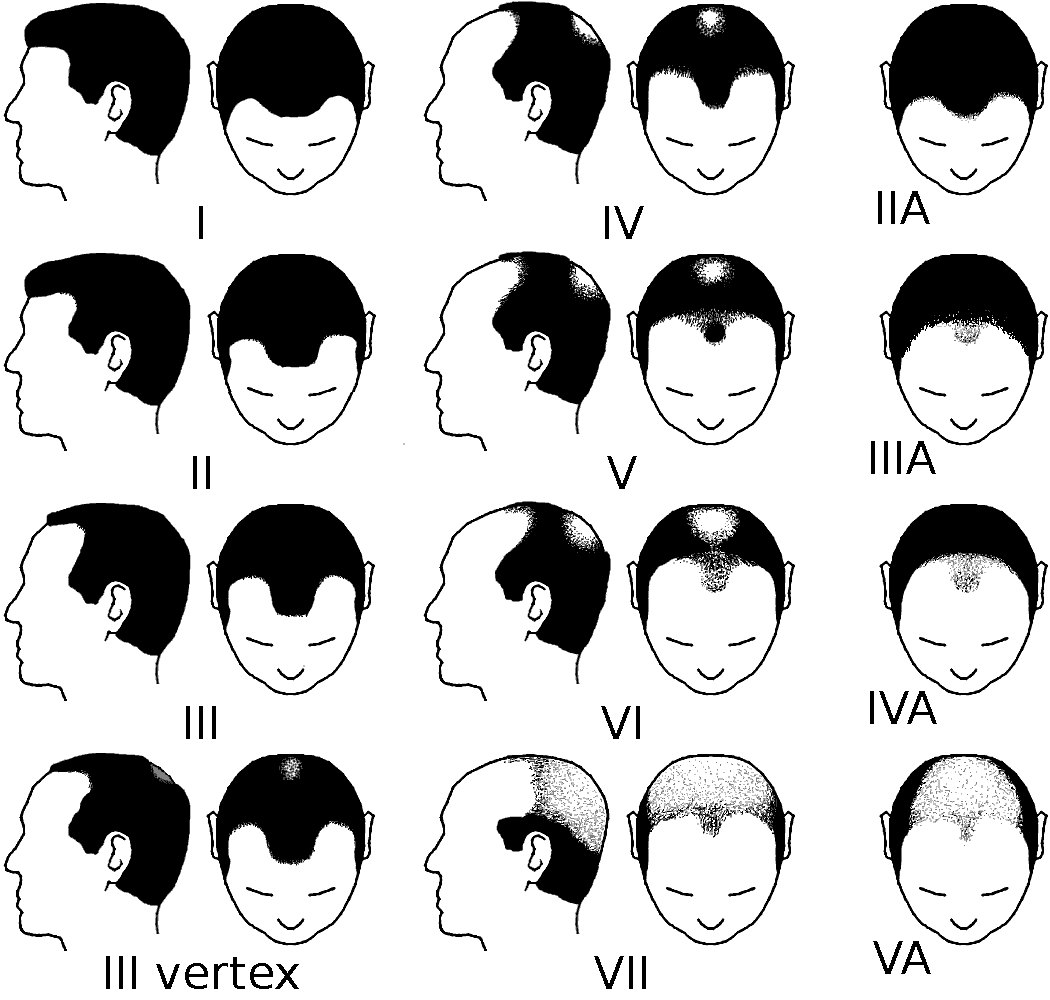
    The Norwood Scale (also known as the Hamilton-Norwood Scale) is a scientifically accepted classification system used to measure the progression of male pattern baldness.

    It divides hair loss into 7 stages, helping specialists diagnose the condition and recommend appropriate treatments.

    7 Stages of Baldness in Men

    Stage 1: No Hair Loss

    At this stage, there is no noticeable hair loss or receding hairline.

    👉 Good time for prevention and hair care.

    Stage 2: Mature Hairline

    Slight recession begins near the temples. This is often considered a normal adult hairline.

    👉 Early treatment can slow further progression.

    Stage 3: Early Baldness

    This is the first stage where hair loss becomes noticeable. The hairline forms an “M” shape.

    👉 Ideal stage for medical treatments or early transplant planning.

    Stage 4: Moderate Hair Loss

    Hair loss becomes more visible with thinning at the crown and deeper recession at the front.

    👉 Combination treatments are usually recommended.

    Stage 5: Advanced Hair Loss

    The gap between the crown and front hairline becomes thinner, and bald areas enlarge.

    👉 Hair transplant becomes a strong option here.

    Stage 6: Severe Baldness

    The crown and front bald areas merge, leaving minimal hair on top.

    👉 Advanced restoration procedures are required.

    Stage 7: Complete Baldness

    This is the most severe stage, where only a band of hair remains on the sides and back.

    👉 Hair transplant depends on donor hair availability.

    Why Understanding Your Baldness Stage Matters

    Knowing your stage helps in:
    ✔ Choosing the right treatment
    ✔ Preventing further hair loss
    ✔ Planning hair transplant effectively

    Early intervention is key—treatments work well before hair follicles become inactive.

    Treatment Options Based on Baldness Stage

    * Early stages (1–3): Medications & PRP therapy
    * Moderate stages (3–5): Combination treatments
    * Advanced stages (5–7): Hair transplant surgery

    Why Choose Professional Hair Treatment?

    Every individual experiences hair loss differently. A proper diagnosis ensures:
    ✔ Accurate stage identification
    ✔ Customized treatment plan
    ✔ Better long-term results

    At our clinic, we specialize in advanced hair restoration techniques designed for natural and long-lasting results.

    Final Thoughts

    Hair loss is progressive—but it is also treatable. Understanding the stages of baldness in men allows you to take action at the right time.

    👉 Whether you are in the early stage or facing advanced hair loss, expert guidance can help you regain both your hair and confidence.

  • Beard Transplant: Process, Benefits & Success Rate

    Beard Transplant: Process, Benefits & Success Rate

    Beard Transplant: Process, Benefits & Success Rate

    A well-shaped beard has become a symbol of style and confidence. However, not everyone is blessed with dense or even facial hair. Patchy growth, scars, or genetics can affect beard development. This is where a beard transplant comes in as a reliable and long-lasting solution.

    What is a Beard Transplant?

    A beard transplant is a cosmetic procedure in which hair follicles are taken from a donor area (usually the back of the scalp) and implanted into the beard region. These transplanted hairs grow naturally, just like your existing facial hair.

    Step-by-Step Process of Beard Transplant

    1. Consultation & Design

    The process begins with a detailed consultation where the doctor understands your desired beard style and designs the beard according to your face shape.

    2. Donor Hair Extraction

    Hair follicles are extracted from the donor area using advanced techniques like FUE (Follicular Unit Extraction). This ensures minimal scarring and faster healing.

    3. Graft Preparation

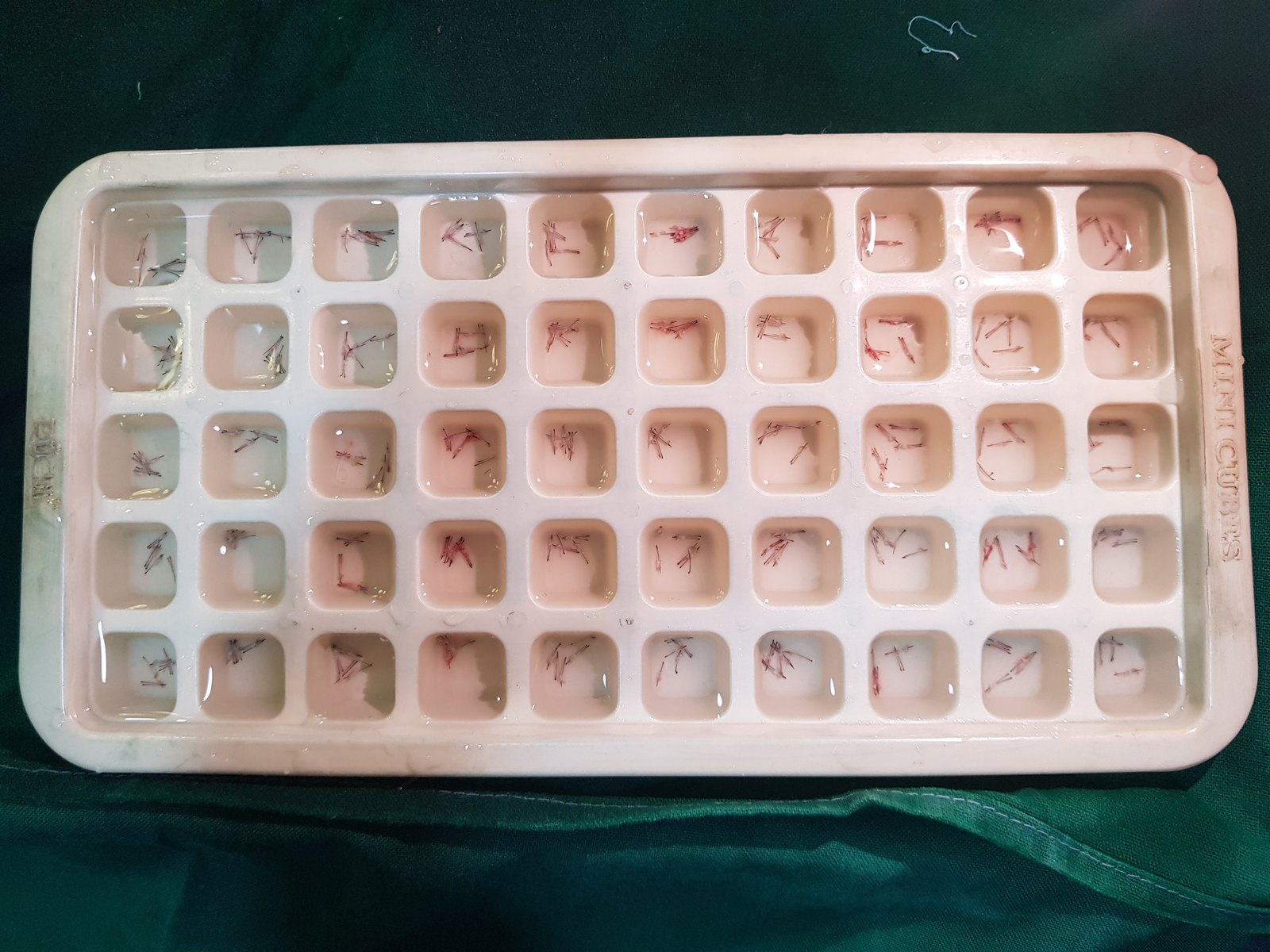
    The extracted follicles are carefully prepared and sorted to ensure healthy grafts for implantation.

    4. Implantation

    Each follicle is implanted into the beard area at the correct angle and direction to mimic natural beard growth.

    5. Recovery & Growth

    Initially, the transplanted hair may shed within a few weeks, but new hair growth begins within 3–4 months, with full results visible in 8–12 months.

    Success Rate of Beard Transplant

    Beard transplants generally have a high success rate of around 90–95% when performed by skilled professionals.

    Factors that influence success include:

    • Quality of donor hair

    • Expertise of the surgeon

    • Proper aftercare

    • Overall health of the patient

    With the right technique, the results look completely natural and blend seamlessly with existing facial hair.

    Is Clear Skin More Important Than Performance?

    In the aviation or professional world, grooming plays an important role in presentation. However, when it comes to procedures like beard transplants, the focus is on achieving a natural appearance and boosting confidence.

    Ultimately, both appearance and confidence go hand-in-hand in personal and professional success.

    Benefits of Beard Transplant

    • Long-lasting and natural results

    • Improved facial appearance

    • Boost in confidence

    • Customizable beard style

    • Minimal downtime

    Who is the Right Candidate?

    You may be a good candidate if:

    • You have patchy or uneven beard growth

    • You have scars in the beard area

    • You want a fuller or reshaped beard

    • You have a healthy donor area

    Final Thoughts

    A beard transplant is a safe and effective way to achieve the beard you’ve always wanted. With modern techniques and expert care, you can enjoy natural, long-lasting results.

    If you’re considering a beard transplant, consult a qualified specialist to understand a good approach for your needs.

  • Eyebrow Transplant: Criteria and Possibilities for Natural, Fuller Brows

    Eyebrow Transplant: Criteria and Possibilities for Natural, Fuller Brows

    Eyebrow Transplant: Criteria and Possibilities for Natural, Fuller Brows

    Eyebrows play a crucial role in defining facial expressions and enhancing overall appearance. However, many people struggle with thin, patchy, or uneven eyebrows due to various reasons. An eyebrow transplant is an advanced and long-lasting solution that helps restore natural eyebrow density and shape.

    What is an Eyebrow Transplant?

    An eyebrow transplant is a cosmetic procedure in which healthy hair follicles are extracted (usually from the scalp) and implanted into the eyebrow area. These transplanted hairs grow naturally, giving you fuller and well-defined brows.

    Who is an Ideal Candidate?

    Not everyone may require an eyebrow transplant, but you may be a suitable candidate if:

    • You have thin or sparse eyebrows

    • You have over-plucked your eyebrows in the past

    • You have hair loss due to injury, scars, or medical conditions

    • You are unsatisfied with the shape or density of your eyebrows

    • You are looking for a long-term, natural solution instead of makeup or temporary fixes

    A proper consultation helps determine your suitability and desired eyebrow design.

    Key Criteria for Eyebrow Transplant

    Before undergoing the procedure, certain criteria are evaluated:

    1. Donor Hair Availability

    Healthy hair follicles (usually from the back of the scalp) are required for transplantation.

    2. Skin Condition

    The eyebrow area should be free from active infections or severe skin conditions.

    3. Realistic Expectations

    Patients should understand that results take time and require proper care.

    4. Overall Health

    Good general health ensures better healing and results.

    What Are the Possibilities?

    An eyebrow transplant offers several benefits and possibilities:

    ✔️ Natural-Looking Results

    Since your own hair is used, the results look completely natural.

    ✔️ Customized Shape

    The eyebrow design is tailored according to your facial structure and preferences.

    ✔️ Long-lasting Solution

    Unlike makeup or microblading, this is a long-term solution.

    ✔️ Improved Confidence

    Well-shaped eyebrows can significantly enhance your overall appearance and self-confidence.

    Procedure Overview

    The process involves:

    1. Extracting hair follicles from the donor area

    2. Designing the ideal eyebrow shape

    3. Implanting each follicle carefully to match natural growth direction

    The procedure is minimally invasive and performed under local anesthesia.

    Recovery and Results

    • Mild redness or swelling may occur initially

    • Transplanted hairs may shed within a few weeks (normal phase)

    • New hair growth begins within a few months

    • Full results are visible over time

    Why Choose a Professional Clinic?

    Choosing an experienced clinic ensures:

    • Proper design and symmetry

    • Natural hair direction and density

    • Safe and hygienic procedure

    Conclusion

    An eyebrow transplant is an excellent option for anyone looking to restore or enhance their eyebrows for the long term. With the right expertise and personalized care, you can achieve natural, fuller brows that perfectly complement your face.

  • How Long Does a Hair Transplant Last?

    How Long Does a Hair Transplant Last?

    Is Hair Transplant Long-lasting? Truth Revealed by Experts

    Is Hair Transplant Long-lasting? Truth Revealed by Experts

    Hair loss can affect confidence, appearance, and even mental well-being. One of the most common questions people ask before undergoing treatment is:

    👉 “Is a hair transplant long-lasting?”

    Let’s uncover the truth backed by medical science and expert insights.

    What Does “Long-lasting” Mean in Hair Transplant?

    A hair transplant is considered a long-lasting solution because it uses your own hair follicles, typically taken from the back or sides of your scalp (known as the donor area).

    These follicles are genetically resistant to hair loss, which is why they continue to grow even after being transplanted to bald areas.

    Once implanted successfully, the hair grows naturally for years — just like your original hair.

    How Hair Transplant Actually Works

    The procedure involves transferring healthy hair follicles from a donor area to areas experiencing thinning or baldness.

    There are two advanced techniques:

    • FUE (Follicular Unit Extraction) – Individual follicles are extracted and implanted

    • FUT (Follicular Unit Transplantation) – A strip of hair is used for transplantation

    Both techniques provide natural and long-lasting results when performed by skilled professionals.

    Is Hair Transplant 100% Long-lasting? (The Real Truth)

    Here’s the honest expert answer:

    ✔ Yes — Transplanted Hair is Long-lasting

    • The implanted follicles retain their original properties

    • They continue to grow hair for a lifetime

    • Results look natural and blend seamlessly

    ⚠️ But There’s a Catch

    Hair transplant does not stop:

    • Future hair loss in non-transplanted areas

    • Natural aging and hair thinning

    So while the transplanted hair is long-lasting, your overall hair density may change over time.

    What Happens After a Hair Transplant?

    Many patients worry when they see hair falling after the procedure — but this is completely normal.

    Timeline:

    • 2–6 weeks: Temporary shedding (shock loss)

    • 3–4 months: New hair growth begins

    • 6–12 months: Visible, fuller results

    This is part of the natural hair growth cycle.

    Factors That Affect Hair Transplant Results

    Not all results are the same. The success and longevity depend on:

    1. Surgeon’s Expertise

    A well-planned hairline and proper graft placement ensure natural results.

    2. Donor Hair Quality

    Stronger donor hair = better long-term growth.

    3. Technique Used

    Advanced methods like FUE improve precision and recovery.

    4. Post-Procedure Care

    Following medical advice is crucial for graft survival.

    5. Ongoing Hair Loss

    You may need additional sessions if hair loss continues.

    Will You Need Another Hair Transplant?

    In some cases, yes.

    If your natural hair continues to thin, you may need:

    • Touch-up sessions

    • Density improvement procedures

    This is not a failure — it’s part of long-term hair restoration planning.

    Benefits of Hair Transplant

    ✔ Long-lasting and natural-looking results

    ✔ Uses your own hair

    ✔ Low maintenance after recovery

    ✔ Boosts confidence and appearance

    Modern techniques have made results so natural that even hairstylists cannot detect the procedure.

    Final Verdict: Is Hair Transplant Worth It?

    Yes — a hair transplant is a long-term, reliable solution for hair loss.

    But remember:

    👉 It’s long-lasting for transplanted hair

    👉 Not a cure for future hair loss

    That’s why choosing the right clinic and expert surgeon is the most important decision.

    Why Choose Us for Hair Transplant in Guwahati?

    At our clinic, we focus on:

    • Advanced FUE techniques

    • Natural hairline design

    • Personalized treatment plans

    • Long-term results, not shortcuts

    We don’t just restore hair — we restore confidence.

    Book Your Consultation Today

    Still unsure if a hair transplant is right for you?

    📞 Contact us today for expert guidance and a personalized assessment.

  • Hair Transplant for Diffuse Thinning: Is It Possible?

    Hair Transplant for Diffuse Thinning: Is It Possible?

    Hair Transplant for Diffuse Thinning: Is It Possible?

    Hair loss doesn’t always appear as bald patches or a receding hairline. Many individuals experience diffuse thinning, where hair density reduces evenly across the scalp. This type of hair loss can be confusing—and raises an important question:

    👉 Is a hair transplant possible for diffuse thinning?

    Let’s explore.

    What is Diffuse Thinning?

    Diffuse thinning is a condition where hair becomes thinner across the entire scalp instead of specific areas. It often creates a “see-through” appearance, especially under light 

    Unlike pattern baldness, it:

    • Affects overall hair density

    • Doesn’t follow a fixed pattern

    • May also impact the donor area

    Can Hair Transplant Work for Diffuse Thinning?

    ✔ Yes — But Not for Everyone

    Hair transplant can be effective, but only when the right conditions are met.

    Ideal Candidates:

    • Stable hair loss (not actively progressing)

    • Strong and healthy donor area

    • Diagnosed with Diffuse Patterned Alopecia (DPA)

    • Already undergoing medical treatment (if needed)

    When these conditions are met, a transplant can restore density and improve overall hair appearance

    ❌ When Hair Transplant is NOT Recommended

    Not all diffuse thinning cases are suitable for surgery.

    Avoid transplant if:

    • Donor area is also thinning (DUPA cases)

    • Hair loss is temporary (like telogen effluvium)

    • Underlying issues (thyroid, stress, deficiencies) are untreated

    • Hair loss is rapidly progressing

    In such cases, medical treatment should be the first step.

    Why Diffuse Thinning is More Challenging

    Diffuse thinning requires advanced expertise because:

    • Existing hair must be preserved during transplant

    • Donor area may have reduced density

    • Risk of damaging native hair (shock loss)

    • Long-term planning is essential

    It’s a highly technique-sensitive procedure.

    Good Techniques for Diffuse Thinning

    Modern techniques provide better results:

    🔹 FUE (Follicular Unit Extraction)

    • Minimally invasive

    • Ideal for widespread thinning

    • No visible scars

    🔹 DHI (Direct Hair Implantation)

    • Precise implantation between existing hairs

    • Better density control

    Typically, 2000–4000 grafts may be required depending on severity

    Importance of Medical Treatment

    Hair transplant alone is not enough.

    Doctors often recommend:

    • Minoxidil

    • Finasteride

    • PRP therapy

    These help:

    ✔ Stabilize hair loss

    ✔ Improve transplant success

    ✔ Maintain long-term results

    What Results Can You Expect?

    • Noticeable improvement in hair density

    • Natural-looking results

    • Gradual growth over 6–12 months

    However, remember:

    👉 Diffuse thinning can continue if untreated

    👉 Maintenance is essential

    Final Verdict

    ✔ Hair transplant for diffuse thinning is possible

    ❗ But it requires proper diagnosis, planning, and expertise

    The key lies in:

    • Identifying the type of thinning

    • Ensuring donor area stability

    • Combining surgery with medical treatment

    Looking for Expert Guidance in Guwahati?

    If you are experiencing diffuse thinning, the first step is a professional scalp evaluation.

    At our clinic, we focus on:

    ✔ Personalized diagnosis

    ✔ Advanced transplant techniques

    ✔ Long-term hair restoration planning

    📞 Book your consultation today and take the first step towards fuller, healthier hair.

  • Stages of Baldness: Understanding Hair Loss Progression

    Stages of Baldness: Understanding Hair Loss Progression

    Stages of Baldness: Understanding Hair Loss Progression

    Hair loss is one of the most common concerns among men today. While occasional hair fall is normal, progressive hair thinning or a receding hairline may indicate male pattern baldness, medically known as androgenetic alopecia.

    Understanding the stages of baldness is important because it helps determine effective treatment option, including hair transplant procedures.

    The Norwood Scale – The Standard Classification of Baldness

    Doctors and hair specialists use the Hamilton–Norwood Scale to classify the stages of male pattern baldness. This scale divides hair loss into seven stages, helping doctors identify the severity of baldness and plan appropriate treatments.

    Hair loss usually starts with a receding hairline at the temples, followed by thinning at the crown, and eventually progresses to larger bald areas if left untreated.

    Stage 1: No Noticeable Hair Loss

    Stage 1 represents a normal hairline with little or no hair loss. Most people at this stage have a full head of hair, and the hairline appears natural.

    At this stage, hair transplant is usually not required.

    Stage 2: Early Hairline Recession

    In stage 2, the hairline begins to recede slightly, especially around the temples.

    This stage is often referred to as a mature hairline, and hair thinning may still be minimal.

    Preventive treatments such as medication or PRP therapy may help slow down further hair loss.

    Stage 3: Noticeable Baldness Begins

    Stage 3 is the first stage where baldness becomes noticeable.

    The hairline recedes deeper at the temples, often forming an “M-shaped” pattern. Some individuals may also begin to experience thinning at the crown.

    Many people start considering hair transplant treatment at this stage.

    Stage 4: Significant Hair Loss

    At this stage, hair loss becomes more visible.

    A bald spot develops on the crown, while the hairline continues to move backward. However, a thin strip of hair usually separates the front and crown areas.

    Hair transplant procedures can provide excellent results at this stage.

    Stage 5: Advanced Hair Loss

    In stage 5, the bald areas on the front and crown grow larger, and the strip of hair separating them becomes thinner.

    Hair loss becomes clearly noticeable from most angles.

    A hair transplant may require a higher number of grafts to restore natural density.

    Stage 6: Severe Baldness

    At stage 6, the remaining strip of hair between the crown and frontal hairline disappears.

    The bald areas join together, leaving only hair on the sides and back of the scalp.

    Hair transplant is still possible but requires careful planning.

    Stage 7: Advanced Stage of Baldness

    Stage 7 is the most severe stage of male pattern baldness.

    Only a thin horseshoe-shaped ring of hair remains around the sides and back of the head, while the top of the scalp is completely bald.

    Hair transplant options depend on the availability of donor hair.

    Why Identifying the Stage of Baldness is Important

    Knowing the stage of baldness helps doctors:

    * Diagnose the severity of hair loss
    * Choose the right treatment method
    * Estimate the number of grafts needed for hair transplant
    * Predict future hair loss patterns

    Early diagnosis can significantly improve treatment results.

    Hair Transplant Treatment in Guwahati

    If you are experiencing hair loss, early consultation with a specialist can prevent further progression.

    At Hair Transplant Guwahati, our experts provide advanced hair restoration treatments, including:

    * FUE Hair Transplant
    * PRP Hair Therapy
    * Hair Loss Medications
    * Personalized Hair Restoration Plans

    We analyze your stage of baldness, hair density, and donor area to create a good treatment plan for natural and long-lasting results.

    When Should You See a Hair Specialist?

    You should consult a hair expert if you notice:

    * Receding hairline
    * Thinning hair on the crown
    * Excessive hair fall
    * Visible bald patches

    Early treatment can help preserve existing hair and restore lost hair effectively.

    ✅ Book a consultation today with Arogyam Hair Transplant Guwahati and take the first step toward restoring your confidence.

  • Hair Density: Tips and Solutions for Fuller, Thicker Hair

    Hair Density: Tips and Solutions for Fuller, Thicker Hair

    Hair Density: Tips and Solutions for Fuller, Thicker Hair

    Whether you’re noticing gradual thinning or significant loss of hair, hair density — the number of hairs per square centimeter on your scalp — plays a huge role in how full and healthy your hair looks. Understanding how to improve hair density can help you make the right decisions for both lifestyle and medical treatments.

    1. What Causes Low Hair Density?
    Hair thinning and reduced density can result from genetics, hormonal imbalance, aging, stress, or scalp health issues. When hair follicles shrink, they produce thinner strands, making the scalp more visible. In advanced stages, this can lead to bald patches.

    2. Simple Tips to Improve Hair Density
    * Balanced Nutrition: Protein, iron, zinc, and vitamins A, E, and D support healthy hair growth.
    * Gentle Scalp Care: Regular cleansing and scalp massage improve blood circulation.
    * Stress Management: High stress can accelerate hair loss — practices like yoga and meditation can help.
    * Avoid Harsh Styling: Heat and chemical damage weaken hair and reduce density.

    3. Medical Solutions at Arogyam Hair Transplant Clinic
    For deeper issues, non-surgical and surgical options can deliver dramatic results:
    * PRP & GFC Therapy: These treatments use your body’s platelets to stimulate dormant follicles and enhance density.
    * Advanced FUE/FUT Hair Transplant: Transplanting hairs strategically enhances coverage and density in areas where thinning is visible. Under the expert care of Dr. P. J. Mazumdar, the only ABHRS Diplomate hair transplant surgeon in Northeast India, patients see natural results tailored to their hair goals.

    4. Choosing the Right Treatment
    If you’re noticing sparse hair growth or visible scalp areas, start with a professional consultation. Early treatment can prevent further hair loss and improve density faster. Medical procedures like FUE not only restore hair but also deliver long-lasting thick density when done by experienced surgeons.

    📲 Ready to improve your hair density? WhatsApp 8811077011 or visit www.hairtransplantguwahati.in for personalised solutions!