Arogyam Hair Transplant and Cosmetic Surgery Clinic
Arogyam Hair & Cosmetic Clinic, Guwahati, Assam 8811077011, 7637089211 guwahatihairtransplant@gmail.com

Category: Hair Transplant

  • Scars After Hair Transplant: FUE vs FUT Comparison — What You Need to Know

    Scars After Hair Transplant: FUE vs FUT Comparison — What You Need to Know

    Scars After Hair Transplant: FUE vs FUT Comparison — What You Need to Know

    Undergoing a hair transplant is a life-changing decision, and one common question many patients ask is: Will it leave scars? At Arogyam Hair Transplant & Cosmetic Surgery Clinic in Guwahati, we perform industry-leading procedures and help you understand the differences in scarring between the two main techniques — FUE and FUT.

    What Causes Scars in Hair Transplants?

    Scarring occurs because the scalp naturally forms tissue marks as it heals after any surgical procedure. Whether you choose FUE or FUT, some degree of scarring is expected — but the type and visibility depend on the method used.

    FUE Scars — Tiny and Hard to Notice

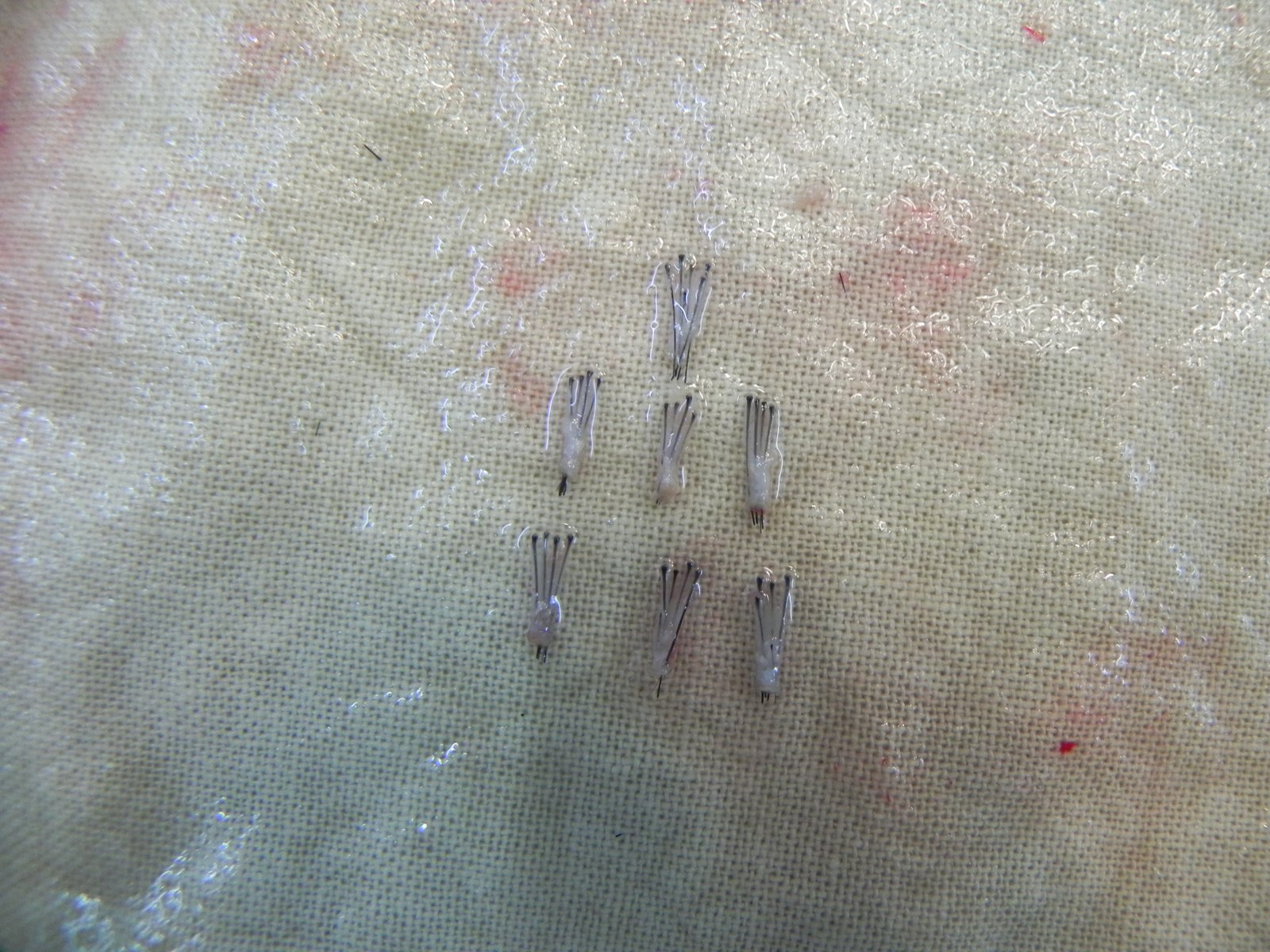
    Follicular Unit Extraction (FUE) involves removing individual hair follicles one at a time using a micro-punch tool. Each extraction leaves a small circular scar (about 0.8–1 mm in diameter) scattered across the donor area. Over a few months these scars typically fade and blend with your natural scalp tone. FUE scarring is usually less noticeable, especially if you keep hair at a moderate length.

    Advantages of FUE Scarring:

    • Multiple tiny scars instead of one long line

    • Can be virtually invisible with normal hair length

    • Quicker initial healing compared to FUT

    FUT Scars — Linear but Concealable

    Follicular Unit Transplantation (FUT) removes a strip of scalp from the donor area, which is then dissected to extract grafts. This leaves a single linear scar along the back of the head. Depending on how short you wear your hair, this linear scar can be more noticeable than FUE scars. However, with expert technique and careful closure methods, it can be minimized.

    Key Points About FUT Scar:

    • One linear scar across donor zone

    • Often easily hidden with typical hairstyles

    • May take a little longer to heal than FUE

    Choosing the Right Option for You

    At Arogyam Hair Transplant & Cosmetic Surgery Clinic, Dr. P. J. Mazumdar — the only ABHRS Diplomate hair transplant surgeon in Northeast India — guides each patient on a good approach based on scalp condition, desired hairstyle, and long-term goals. FUE is typically preferred by those who want minimal visible scarring and flexibility with hair length, while FUT may be considered in specific situations where graft numbers are high.

    Scar Care and Healing Tips

    Regardless of your chosen method:

    • Follow post-op instructions carefully

    • Keep the donor area clean

    • Avoid direct sun exposure during early healing

    • Attend all follow-up sessions with your surgeon

    Healing varies individually, but scars usually fade gradually and become much less noticeable with time.

    Conclusion

    Both FUE and FUT can help you achieve natural-looking hair restoration. The difference in scarring is a key factor many patients consider — and at Arogyam Hair Transplant Clinic, our expertise helps you make the most informed choice for lasting confidence and results.

  • Single Sitting Hair Transplant vs Multiple Sitting Hair Transplants — Which One Is Better?

    Single Sitting Hair Transplant vs Multiple Sitting Hair Transplants — Which One Is Better?

    Single Sitting Hair Transplant vs Multiple Sitting Hair Transplants — Which One Is Better?

    Hair transplant surgery has evolved significantly, and choosing a good approach for your hair restoration journey can make a dramatic difference in outcomes. At Arogyam Hair Transplant & Cosmetic Surgery Clinic in Guwahati, Assam, we help patients understand the pros and cons of single sitting and multiple sitting hair transplant strategies so they can make informed decisions.

    What is a Single Sitting Hair Transplant?

    A “single sitting” transplant typically means harvesting and implanting a large number of grafts in one session — a strategy often associated with techniques like FUT (strip method). This can be especially useful for individuals with extensive hair loss who want maximum coverage in one go. FUT allows surgeons to harvest more grafts at once in many cases, potentially reducing the number of repeat procedures needed. 

    What Does Multiple Sitting Hair Transplant Mean?

    In contrast, multiple sitting hair transplants often use FUE techniques, where hair follicles are extracted individually and transplanted across several sessions. While each session may cover fewer grafts, this approach can offer gentler handling of donor hair, less visible scarring, and faster recovery between appointments.

    Key Differences and What They Mean for You

    ✔ Single Sitting (FUT-favored):

    • Can transplant a larger number of grafts in one surgery — useful for more advanced baldness.

    • Could require longer healing time and careful wound care.

    • Standard choice when maximizing graft count per session is a priority.

    ✔ Multiple Sitting (FUE-favored):

    • Involves smaller sessions spaced out — easier on the body with minimal scarring.

    • Faster recovery between sessions and less invasive overall.

    • Ideal for patients who want subtle, natural progression and minimal downtime.

    Which Is Better?

    There’s no “one size fits all.” A good option depends on your hair loss pattern, donor hair availability, desired timeline, and lifestyle goals. Single sitting can be attractive for extensive coverage, while multiple sittings might suit those prioritizing minimal scarring and gradual density build-up.

    At Arogyam Hair Transplant & Cosmetic Surgery Clinic, Dr. P. J. Mazumdar and our expert team customize every treatment plan — whether it’s FUE, FUT, or complementary therapies like PRP and GFC — for optimal, natural-looking results.

  • Hair Transplant Consultation: Questions You Should Ask Your Doctor

    Hair Transplant Consultation: Questions You Should Ask Your Doctor

    Hair Transplant Consultation: Questions You Should Ask Your Doctor

    A hair transplant is one of effective solutions for long-term hair restoration — but its success greatly depends on the consultation you have before the procedure. This initial discussion isn’t just a formality; it’s where you gain clarity, set realistic expectations, and choose the right surgical plan tailored to your unique hair loss pattern.

    At Arogyam Hair Transplant & Cosmetic Surgery Clinic in Guwahati, we emphasize a patient-centric consultation because it lays the groundwork for safe, natural, and lasting results.

    🔍 Why Your Consultation Matters

    A hair transplant is a surgical procedure, not just a cosmetic service. This consultation is your chance to:

    • Understand your hair loss type and treatment options

    • Evaluate the clinic’s expertise and safety standards

    • Get a personalized surgical plan with realistic outcomes

    Your doctor should be transparent about every step — from graft estimation to recovery — so you make an informed decision with confidence.

    📋 Top Questions to Ask During Your Consultation

    Here’s a helpful checklist to prepare before your appointment:

    🧠 1. Who Will Perform the Procedure?

    Ask if the surgeon performing the transplant is experienced, certified, and personally involved in extraction and implantation. Ask for credentials and how many procedures they have done.

    This ensures expert hands are guiding critical parts of your surgery.

    📐 2. Which Technique Is Good for Me — FUE, FUT, or Other?

    Different techniques have different benefits.

    • FUE: Minimally invasive with small punch extraction

    • FUT: Strip harvesting for certain cases

    A reputable clinic will recommend a good technique based on your hair type, age, and future donor availability — not based on cost or convenience.

    📊 3. How Many Grafts Will I Need?

    Understanding how many grafts are planned helps you estimate cost, recovery time, and expected coverage. Your surgeon should explain how graft count is calculated.

    📸 4. Can I See Before & After Photos?

    Always ask for case photos of patients with similar hair loss. This gives you a realistic idea of what to expect and allows you to judge the surgeon’s skill in hairline design and density.

    💰 5. What’s the Total Cost — and What’s Included?

    Ask for a full cost breakdown that includes:

    ✔️ Surgery fee

    ✔️ Post-operative care

    ✔️ Follow-up consultations

    ✔️ Medicines and dressings

    This prevents surprises later and helps you compare offers meaningfully.

    📅 6. What Is the Recovery Timeline?

    Recovery after a hair transplant isn’t instant. A good doctor will explain:

    • How soon you can resume daily activities

    • What side effects to expect

    • When new hair growth usually begins

    Typically, visible growth starts around 3-6 months post-procedure.

    ⚠️ 7. What Are the Risks and Complications?

    Any surgical procedure carries some risk. Ask about possible complications and how the clinic handles them. Confidence in safety protocols is a sign of a trustworthy practice.

    🪄 Final Words — Empower Yourself With Knowledge

    Choosing a hair transplant clinic and surgeon is a life-changing decision. Your consultation is your chance to explore your options, clarify doubts, and decide with confidence — not pressure. A trusted clinic will respect your questions and provide complete, honest answers.

    At Arogyam Hair Transplant & Cosmetic Surgery Clinic, we prioritize patient education and safety. With Dr. P.J. Mazumdar — the only ABHRS Diplomate hair transplant surgeon in Northeast India — you’re in expert hands for natural, lasting results.

  • Donor Area Management: How We Ensure Long-Term Hair Survival

    Donor Area Management: How We Ensure Long-Term Hair Survival

    Donor Area Management: How We Ensure Long-Term Hair Survival

    At Arogyam Hair Transplant & Cosmetic Surgery Clinic in Guwahati, Assam, successful hair restoration is not just about the recipient area—optimal donor area management is the foundation of long-term success. The donor zone, typically at the back and sides of the scalp, houses follicles that are genetically resistant to hair loss. These hairs are the most valuable resource in a hair transplant, and preserving their health ensures lasting results and future transplant options.

    Our approach begins with a comprehensive donor assessment. Before any extraction, we evaluate hair density, scalp laxity, and follicle quality using advanced examination tools. This allows us to determine a safe extraction range and avoid overharvesting—so your donor area retains natural coverage even after large sessions.

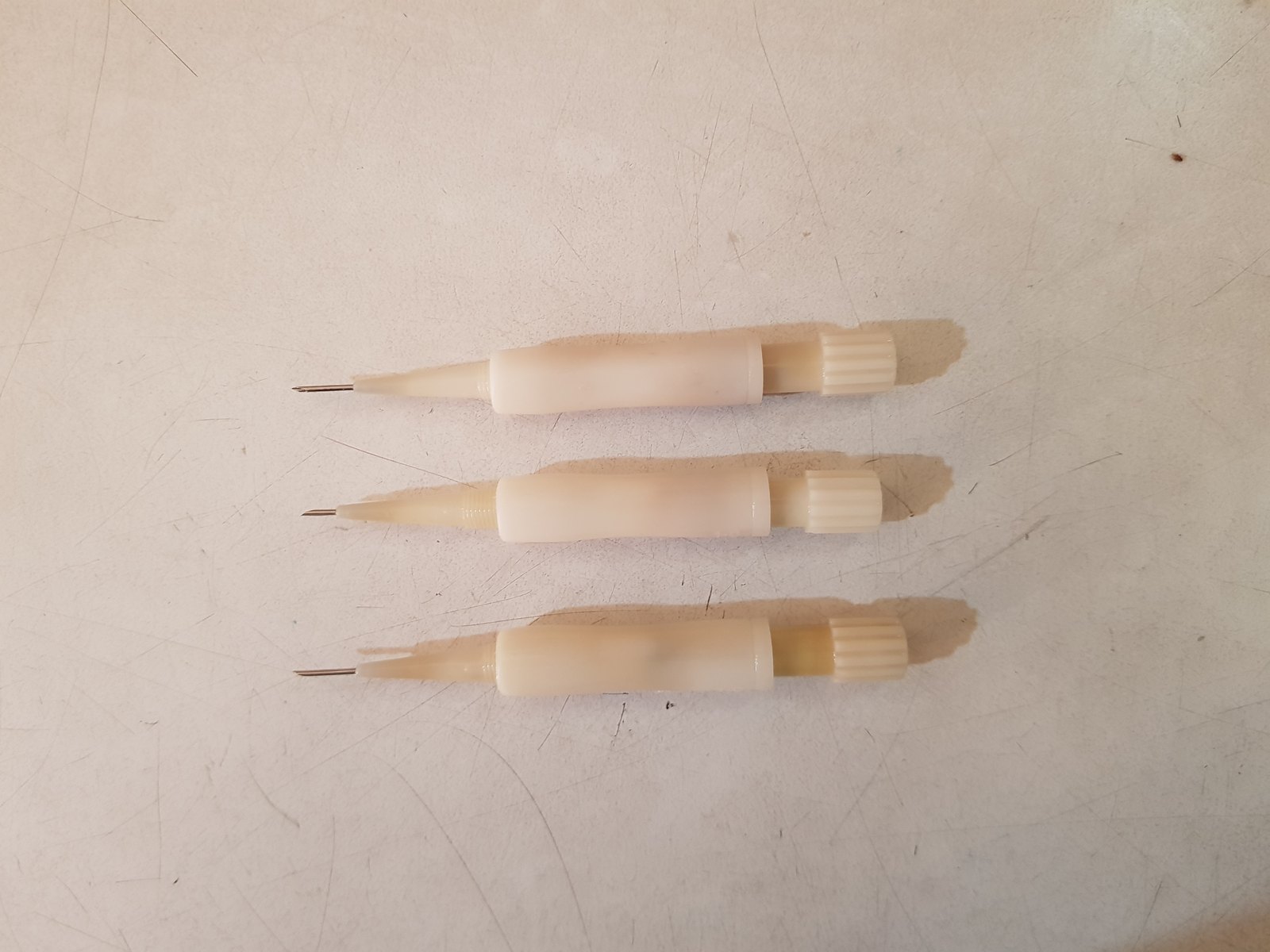
    During FUE transplant procedures, Dr. P. J. Mazumdar and our experienced surgical team use precision micro-punch devices to extract grafts safely. This technique gradually spreads extraction points, minimizing trauma and ensuring uniform donor appearance post-healing.

    After surgery, proper donor care dramatically influences long-term hair survival. We provide personalized aftercare instructions focused on protecting the donor site—guidance on gentle washing, avoiding direct sun exposure, avoiding strenuous activity, and maintaining scalp hygiene. These steps help reduce swelling, prevent infection, and promote rapid healing.

    In addition, combining surgical planning with supportive therapies like PRP and nutritional counseling enhances tissue recovery and scalp health, setting the stage for strong hair regrowth both in the donor and recipient regions.

    At Arogyam Hair Transplant Clinic, our goal is natural, sustainable hair growth. By prioritizing donor area management, we ensure that each transplant delivers beautiful results today—and preserves your hair resources for tomorrow.

    📲 To learn more about our hair transplant procedures and aftercare, WhatsApp 8811077011 or visit www.hairtransplantguwahati.in.

  • Can Hair Transplant Fail? Causes, Prevention & Expert Tips

    Can Hair Transplant Fail? Causes, Prevention & Expert Tips

    Can Hair Transplant Fail? Causes, Prevention & Expert Tips

    Hair transplant is considered one of the most reliable and long-lasting solutions for hair loss. However, a common question many patients ask is: “Can a hair transplant fail?”

    The honest answer is—yes, it can, but failure is uncommon when the procedure is done by an experienced and qualified surgeon using the right techniques.

    Let’s understand the causes of hair transplant failure, how it can be prevented, and expert tips to ensure successful results.

    What Is Considered Hair Transplant Failure?

    A hair transplant is considered unsuccessful when:

    • Transplanted hair does not grow

    • Hair grows unevenly or unnaturally

    • Poor density or patchy appearance occurs

    • Excessive graft loss happens after surgery

    Common Causes of Hair Transplant Failure

    1. Inexperienced or Unqualified Surgeon

    One of the biggest reasons for failure is choosing a clinic that lacks expertise. Poor graft handling, wrong angle placement, and improper planning can damage follicles for the long term.

    At Arogyam Hair Transplant Clinic, all procedures are led by Dr. P. J. Mazumdar, the only ABHRS Diplomate hair transplant surgeon in Northeast India, ensuring international standards of care.

    2. Poor Donor Area Assessment

    The donor area is the foundation of a successful transplant. Over-harvesting or weak donor hair can lead to poor growth and visible thinning.

    3. Incorrect Technique (FUE / FUT Misuse)

    Not every patient is suitable for every method. Using the wrong technique without proper evaluation can affect graft survival.

    4. Advanced Baldness Without Proper Planning

    Patients with Grade 5 or Grade 6 baldness require strategic density planning and realistic expectations. Without proper planning, results may look thin or unnatural.

    5. Lack of Post-Operative Care

    Ignoring post-surgery instructions like:

    • Touching or scratching the scalp

    • Smoking or alcohol consumption

    • Skipping medications

    can significantly reduce graft survival.

    How to Prevent Hair Transplant Failure

    ✔️ Choose a certified and experienced surgeon

    ✔️ Get a detailed scalp and donor area analysis

    ✔️ Use advanced techniques like FUE with proper density planning

    ✔️ Follow post-transplant care instructions strictly

    ✔️ Combine supportive treatments like PRP or GFC therapy when advised

    At Arogyam Hair Transplant & Cosmetic Surgery Clinic, Guwahati, every patient receives a customized treatment plan, not a one-size-fits-all approach.

    Expert Tips from Dr. P. J. Mazumdar

    • Hair transplant is a medical procedure, not a cosmetic shortcut

    • Natural results depend on hairline design and graft distribution

    • Patience is key—final results take 9–12 months

    • A successful transplant should look natural even on close inspection

    Final Thoughts

    A hair transplant does not fail when done right. Most failures are preventable with proper planning, expert execution, and correct aftercare.

    If you are considering a hair transplant in Guwahati or Assam, choose experience, certification, and ethics over price alone.

    📲 For consultation & cost details, WhatsApp 8811077011

  • Success Stories: Transformation Through Hair Transplant

    Success Stories: Transformation Through Hair Transplant

    Success Stories: Transformation Through Hair Transplant

    Hair loss affects millions of people worldwide — emotionally, socially, and professionally. But for many in Guwahati and the Northeast, the journey from hair thinning to renewed confidence begins with a trusted hair transplant clinic. At Arogyam Hair Transplant Clinic, Guwahati, these journeys aren’t just about hair growth — they’re about transformation.

    ⸻

    🌿 Why Hair Transplant Success Stories Matter

    Success stories are powerful. They show real outcomes, help future patients visualize their own results, and give hope to those who have struggled with hair loss for years. When patients walk into our clinic with concerns about thinning hair or bald patches, they’re not just seeking a procedure — they’re seeking reassurance, natural results, and a fresh start.

    At Arogyam, we take pride in delivering both scientific excellence and personalized care — a combination that turns treatment into transformation.

    ⸻

    🧑‍⚕️ Meet Our Expert: Dr. P. J. Mazumdar

    Dr. P. J. Mazumdar — the pioneer of FUE Hair Transplant in the Northeast and the first Diplomate in Hair Restoration Surgery in the region — leads every patient journey with meticulous planning, precision, and care. His expertise ensures that every transplant not only looks natural but also integrates seamlessly with your hairline and facial features.

    ⸻

    📈 Real Transformations, Real Confidence

    Over the years, our patients have shared remarkable transformations — from barely noticeable hairlines to thicker, natural hair that blends flawlessly with their own. These aren’t just before-and-after images; they’re stories of renewed confidence.

    ✔️ Patients have reported improved self-esteem and satisfaction after their procedures.
    ✔️ Many have regained a fuller head of hair that looks completely natural.
    ✔️ Follow-ups and post-operative support ensure comfort and optimal results.

    These success stories reinforce a core belief at Arogyam: No two journeys are the same, but every result matters.

    ⸻

    🌟 What Makes These Transformations Possible?

    Advanced FUE Technique:
    This minimally invasive method harvests healthy hair follicles and places them precisely for natural coverage, minimal scarring, and quick recovery.

    Personalized Planning:
    Each patient receives a customized treatment plan based on their pattern of hair loss, donor quality, and lifestyle goals.

    Ongoing Care & Support:
    Our team ensures patients are supported from consultation through healing and final results. This holistic care plays a key role in long-term success.

    ⸻

    🗣 Hear From Our Patients

    Many of our patients have shared how the hair transplant changed their lives — not just their looks. They talk about:

    💬 Feeling more confident in personal and professional settings.
    💬 Being happy to see natural hair regrowth that looks completely their own.
    💬 Appreciating the guidance and support from our team throughout the process.

    These testimonials inspire others who are considering treatment and show that transformation is real and achievable.

    ⸻

    🧭 Your Transformation Begins Here

    If hair loss is affecting how you feel about yourself, remember: you’re not alone. Arogyam Hair Transplant Clinic is here to guide you through a safe, effective, and personalized hair restoration journey.

    📍 Visit our clinic in Guwahati.
    📞 Book a consultation: 8811077011 / 7637089211
    📧 Email: guwahatihairtransplant@gmail.com
    🌐 https://hairtransplantguwahati.in

    ✨ Start your success story — one hair at a time.

  • Why You Should Not Delay Your Hair Transplant Surgery

    Why You Should Not Delay Your Hair Transplant Surgery

    Why You Should Not Delay Your Hair Transplant Surgery

    Introduction

    Hair loss affects millions — it can harm your self-esteem, make you conscious in social or professional settings, and even affect how you perceive yourself. If you’re considering hair transplant surgery, timing matters. Delaying too long can limit your options and make achieving the desired results more difficult. In this article, we explain why early action often leads to better outcomes, and why waiting could be a mistake.

    1. Hair Loss Is Progressive — Delay Means More Loss

    Hair loss, especially genetic hair loss (like male-pattern baldness), tends to progress over time. The longer you wait, the more native hairs you may lose. Once follicles die or weaken beyond repair, they cannot be restored.

    By opting for a transplant while hair loss is still moderate, you preserve more donor-area strength and maintain better chances of achieving a full, natural-looking hairline. Early intervention helps retain as many healthy follicles as possible for transplantation.

    2. Easier, Less Extensive Surgery — Lower Graft Count, Quicker Recovery

    When balding is limited to small patches or receding hairline, fewer grafts are needed. That means:

    • Shorter surgical sessions

    • Less trauma to the scalp

    • Faster healing and recovery

    • Lower cost compared to later, large-scale transplant jobs

    Putting off surgery until hair loss becomes advanced can require many more grafts — which can be more demanding on your scalp and donor area, and may involve higher cost and longer downtime.

    3. Better, More Natural-Looking Results — Avoid the “Islands” Effect

    If hair loss is still ongoing, performing a transplant too early (or too late) can lead to suboptimal or unnatural results.

    • If too early: As your native hair continues to thin after transplant, transplanted hair may end up looking like isolated “islands” among thinning hair.

    • If too late: Donor hair availability may be limited, resulting in inadequate coverage or poor density.

    By acting at the right time — when hair loss is moderate but stable — your surgeon can design a hairline and coverage that looks natural now and ages well over time.

    4. Boost Confidence, Self-Esteem & Quality of Life — Sooner Rather Than Later

    Hair loss often touches more than just appearance — it affects confidence, self-image, how you interact socially or professionally. Hair restoration can bring back not only hair, but also self-confidence. Many patients who get early hair transplant report improved self-esteem, a more youthful look, and a better overall quality of life.

    Delaying means enduring these challenges longer — so why wait? A timely transplant can help you regain your youthfulness, confidence and social ease.

    5. Cost-Effectiveness Over Time — Save Money & Time

    While hair transplant does involve a cost, when done early — fewer grafts, simpler procedure, less downtime — it often becomes more cost-effective than trying to manage advanced hair loss later. Also, once transplanted, hair is long-lasting and maintenance is minimal, unlike temporary treatments (wigs, topical treatments, etc.) that require ongoing investment.

    Waiting might mean needing larger procedures, additional sessions, or alternative treatments — all of which add to time, effort, and cost.

    6. What About “Too Early”? — The Importance of Proper Timing and Planning

    That said — timing still matters. It’s not that everyone should rush a transplant at the first sign of thinning. Hair loss must be stable or predictable before transplantation. Surgeons often advise waiting until pattern is established and donor area is adequate.

    This is why at our clinic:

    • We do a comprehensive evaluation — pattern & extent of hair loss, donor-area strength, scalp health.

    • We advise whether surgery is appropriate now or if medical therapy should continue until a stable stage is reached.

    • We help design a long-term plan that accommodates further hair loss and possible future sessions — giving you natural, lasting results with minimal risk.

    Conclusion — Don’t Wait Until It’s Too Late

    Delaying hair transplant may seem harmless now — but as hair loss progresses, you lose options: healthy donor follicles, easy coverage, natural aesthetics, cost-effectiveness, and faster recovery. On the other hand, acting at the right time can make the difference between a good result and a great, long-lasting one.

    If you’re noticing thinning or a receding hairline, now may be a good time to consult experts — evaluate your situation and plan a hair restoration that suits not just your present, but your future too.

    Ready to take the first step? Contact us today at our Guwahati clinic for a detailed consultation. Let’s craft a hair-renewal plan tailored for you

  • Eyebrow Transplant: Restore Shape, Thickness & Symmetry

    Eyebrow Transplant: Restore Shape, Thickness & Symmetry

    Eyebrow Transplant: Restore Shape, Thickness & Symmetry

    Introduction

    Eyebrows do more than frame your face — they play a crucial role in expression, balance, and aesthetics. When brows become too thin, patchy, or uneven, it can affect not just your appearance but also your confidence. Thankfully, eyebrow transplant surgery offers a long-lasting, natural solution to restore shape, density, and symmetry.

    At Arogyam Hair Transplant Clinic in Guwahati, we bring together medical expertise and aesthetic precision to help you achieve the brows you’ve always wanted.

    What Is an Eyebrow Transplant?

    An eyebrow transplant is a cosmetic procedure in which healthy hair follicles — typically from the scalp — are carefully harvested and then implanted into the eyebrow region. Unlike microblading or tattooing, this procedure uses real hair, so the result is natural, with genuine hair growth over time.

    Using modern techniques like Follicular Unit Extraction (FUE), the process is minimally invasive, with minimal scarring.

    Who Can Benefit from It?

    Eyebrow transplants are ideal for individuals who:

    • Have very thin or sparse eyebrows (due to genetics or over-plucking)

    • Have lost eyebrow hair because of trauma, burns, or scarring

    • Suffer from hair loss conditions (once stable), such as alopecia

    • Want a long-term, low-maintenance solution instead of relying on makeup or microblading

    How Is the Procedure Done?

    Here’s a breakdown of what the procedure looks like at our clinic:

    1. Consultation & Planning:

    • We design your new eyebrow shape in harmony with your facial structure.

    • Decide on how many grafts are needed, and from which donor area (usually the scalp).

    2. Harvesting:

    • Hair follicles are extracted using FUE, which avoids large linear scars.

    • Donor follicles are usually taken from a region where hair quality matches well with eyebrow hair.

    3. Implantation:

    • Under local anesthesia, tiny incisions are made in the eyebrow area.

    • Grafts are carefully placed at the correct angle so that new hairs grow naturally and in the right direction.

    4. Healing:

    • In the first few days, mild swelling or bruising may appear. Scabs form and heal naturally.

    • Patients typically use saline sprays, and may be given antibiotics or painkillers to aid recovery.

    Recovery Timeline & Results

    • Short-term (First Few Weeks): Transplanted hairs often shed (a phenomenon called shock loss) — this is normal.

    • 3 Months: New hair begins to grow.

    • 6–12 Months: Significant growth is visible. Full cosmetic results may take up to 10–12 months.

    • Long-Term: Since the hair is taken from the scalp, it will continue to grow just like scalp hair. This means regular trimming will be needed to maintain the right brow length.

    Risks & Safety Considerations

    Like any surgical procedure, eyebrow transplants come with some risks, but these can be minimized with proper technique and care:

    • Bruising, swelling, or redness around the brows are common but temporary.

    • Slight scarring in the donor area is possible, but FUE keeps scarring minimal.

    • There’s a risk of misdirected hair growth if grafts are placed at an incorrect angle, which is why placement precision is critical.

    • Some implanted follicles might not take (“graft failure”), or growth could be uneven, requiring a touch-up.

    • Rare infections are possible, so post-op hygiene is essential.

    Why Choose Arogyam Hair Transplant Clinic (Guwahati)?

    • Expertise: Our surgeons are trained in advanced hair restoration techniques, ensuring both medical safety and aesthetic excellence.

    • Personalized Design: We tailor eyebrow shape to your face and personal style.

    • Modern Facility: We follow strict hygiene and safety protocols, ensuring a comfortable and safe environment.

    • Long-Term Care: We guide you through post-op recovery and long-term maintenance, including trimming advice.

    Cost Consideration

    Eyebrow transplant costs vary depending on how many grafts are needed, the complexity of the design, and the expertise of the surgeon. In India, typical costs can range quite broadly.

    When you come in for a consultation, we will provide a customized cost estimate based on your exact needs.

    Conclusion

    An eyebrow transplant is more than just a cosmetic procedure — it’s a long-lasting investment in your confidence and facial harmony. If you’ve been struggling with thin or asymmetrical brows, Arogyam Hair Transplant Clinic in Guwahati is here to help you restore natural beauty safely and effectively.

    Ready to take the next step? Book a consultation with us, and let’s design your new brows together.

  • The Revolution in Hair Transplantation: From FUE to Robotics – What’s New at Arogyam Hair Transplant Clinic, Guwahati

    The Revolution in Hair Transplantation: From FUE to Robotics – What’s New at Arogyam Hair Transplant Clinic, Guwahati

    The Revolution in Hair Transplantation: From FUE to Robotics – What’s New at Arogyam Hair Transplant Clinic, Guwahati”

    Introduction
    Hair loss affects millions around the world—and here in Assam too. But thanks to rapid advancements in transplant technology, what was once a major surgery with long recovery now feels more like a precision procedure. At Arogyam Hair Transplant & Cosmetic Surgery Clinic in Guwahati, led by Dr. P. J. Mazumdar (the only ABHRS Diplomate hair transplant surgeon in Northeast India), we’re proud to be at the forefront of these innovations. In this article, we’ll explore the latest breakthroughs—robotic assistance, improved graft survival techniques, enhanced donor-area management—and what they mean for you.

    1. Traditional FUE and FUT: A Quick Recap
    Before diving into the newest tech, it helps to know what’s been happening so far. Follicular Unit Extraction (FUE) and Follicular Unit Transplantation (FUT) have been industry standards for years. FUE involves individually extracting hair follicles and transplanting them, leaving minimal linear scarring. FUT involves removing a strip of scalp, then dissecting grafts—useful for high-graft requirements but more invasive.

    2. Robotic & Automated Transplant Systems
    The next step: robotics. Robotic hair transplantation uses advanced imaging and robotics to select optimal donor follicles, create recipient sites with comfort and precision, and implant with consistent density. At Arogyam, we leverage such precision tools (complemented by our expert surgeon) to reduce human error, speed up the procedure, and increase graft survival. Patients with Grade 6 baldness requiring 3000+ grafts continue to benefit.

    3. Enhanced Graft Survival: PRP, GFC, and Growth-Factor Therapies
    Technology isn’t only about hardware—it’s about biology. Using Platelet-Rich Plasma (PRP) and Growth Factor Concentrate (GFC) during and after transplant enhances blood supply to grafts, reduces shock loss, and boosts early regrowth. At our Guwahati centre, these adjuvant therapies are standard for improved hair transplant results.

    4. Natural Hairline Design & Density Planning
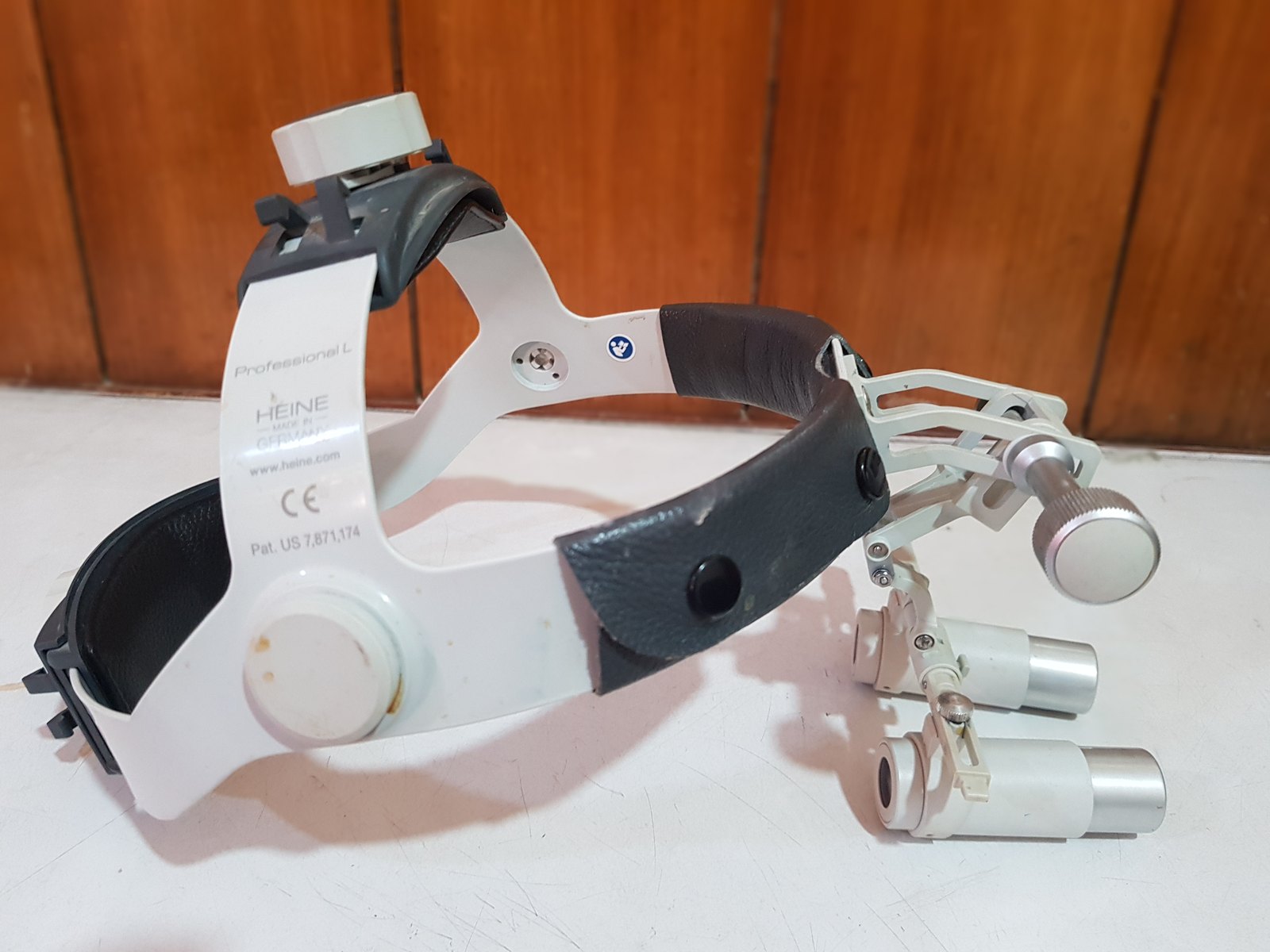
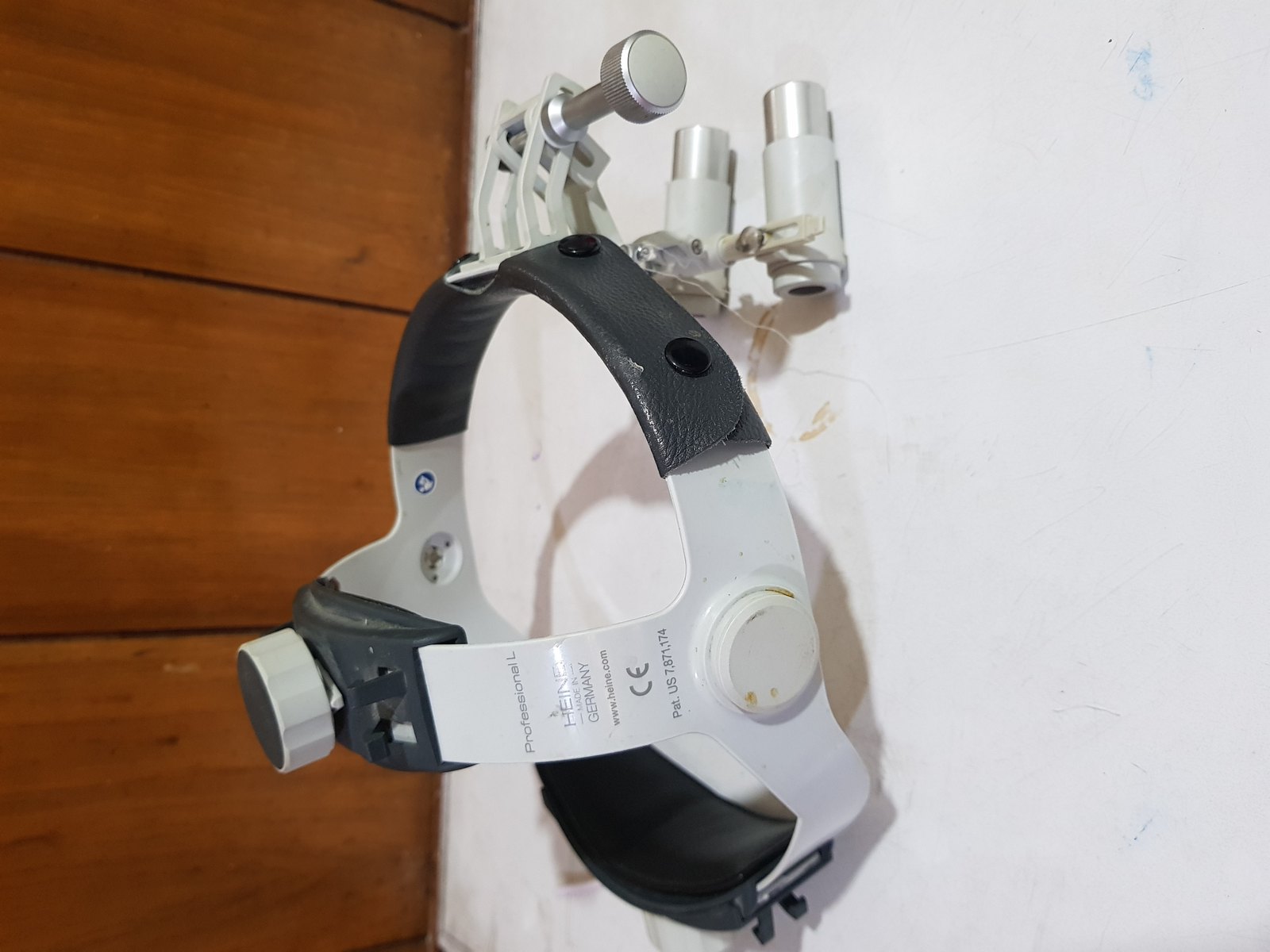
    One major challenge in hair transplantation is achieving a natural-looking hairline and consistent density—especially in patients with advanced baldness. With high-definition magnification, digital planning tools, and robotic site creation, Arogyam patients can expect densely packed grafts in a natural pattern. This is crucial for “affordable hair transplant Assam” that still looks premium.

    5. Faster Recovery, Minimal Downtime
    Thanks to smaller micro-grafts, less trauma to the donor area, and improved surgical ergonomics, most patients at Arogyam see early signs of growth in weeks, not months—and can resume daily life faster. This is especially beneficial for busy professionals or those travelling from Assam and nearby states.

    6. Why Choose Arogyam in Guwahati?
    Located in Guwahati, Assam, Arogyam is uniquely positioned for Northeast India. With Dr. Mazumdar’s ABHRS certification, you get the peace-of-mind of expert credentials. The clinic offers transparent cost estimates, communicates clearly about procedure stages (from consultation to follow-up), and specializes in high-quality hair transplant results, whether you need FUE, beard & eyebrow transplant, or 3000-graft interventions.

    Conclusion
    If you’ve been researching “hair transplant in Guwahati” or “affordable hair transplant Assam”, know that the field is changing rapidly—and you deserve a clinic that keeps pace. At Arogyam Hair Transplant & Cosmetic Surgery Clinic, we combine the latest tools (robotics, PRP/GFC) with personalised care and expert credentials. Ready for your transformation? Your journey begins here.

    📲 For appointments and cost details, WhatsApp 8811077011 or visit www.hairtransplantguwahati.in

  • Hair Transplant After Scalp Burns, Trauma or Scarring Alopecia: What You Should Know

    Hair Transplant After Scalp Burns, Trauma or Scarring Alopecia: What You Should Know

    Hair Transplant After Scalp Burns, Trauma or Scarring Alopecia: What You Should Know

    Introduction

    Hair loss isn’t always caused by genetics or ageing. For many individuals, the culprit lies in a scarred or damaged scalp: burns, trauma (e.g., accidents, surgeries), or scarring alopecia caused by dermatologic conditions. Such scenarios pose unique challenges—but also unique opportunities for hair restoration. At Arogyam Hair Transplant Clinic in Guwahati, we specialise in restoring hair for these complex cases. Here’s what you need to know.

    Understanding the Problem: Burn, Traumatic or Scar‐Related Hair Loss

    When the scalp endures a burn injury (thermal, chemical, electrical) or trauma (e.g., surgical excision, accident), the underlying tissue goes through changes:

    • The skin and underlying tissue may be replaced by scar tissue, which has reduced vascularity (blood supply) and altered architecture.

    • Hair follicles in the scar zone may have been destroyed or rendered dormant.

    • The scalp may be less hospitable to new hair follicles because of altered blood flow, tissue rigidity and changed skin topography.

    • In cases of scarring alopecia (for example lichen planopilaris, central centrifugal cicatricial alopecia, etc.), the skin is for the long term changed, making spontaneous hair regrowth unlikely.

    For the patient, this means visible hair loss, patchy bald areas or “dead zones” on the scalp where hair simply cannot grow back naturally. It can affect confidence, self-image, and quality of life.

    Is a Hair Transplant Possible in a Scarred Scalp?

    Yes — but with caveats. The key factors that determine the feasibility and success of a hair transplant in scarred zones include:

    • Donor hair availability: Adequate healthy follicles from donor area (typically back or sides of scalp) are essential.

    • Scar assessment: The scar must be evaluated for depth, size, vascular supply and whether the tissue is healthy enough to receive grafts.

    • Technique choice: Micro-FUE (Follicular Unit Extraction) is typically preferred when dealing with scar sections, because grafts can be implanted more selectively and carefully.

    • Healing environment: The scar site might be less forgiving. Slower healing, risk of graft failure, or lower density may happen.

    • Realistic expectations: Because of the scar conditions, the achieved density might be less than in non-scarred scalp areas and it may take longer for growth to appear.

    At our clinic, we thoroughly assess the scar zone with clinical examination, sometimes imaging or Doppler evaluation of blood flow. Based on that, we design a donor-recipient plan and set realistic expectations with the patient—so you know what is achievable.

    How We Approach It at Arogyam Hair Transplant Clinic

    1. Initial consultation & evaluation

    • Detailed history: cause of burn/trauma/scarring, when it occurred, any previous treatments.

    • Scalp examination: extent of scar, texture of skin, donor hair quality and density.

    • Photography and mapping: we document the recipient and donor zones.

    • Blood tests, dermatology clearance for scarring alopecia cases.

    2. Treatment planning

    • We estimate number of grafts needed, how many can realistically be implanted into the scar zone.

    • We discuss donor area harvesting method (FUE is often preferred for minimal scarring).

    • We show you expected density, timeline, risk and benefits.

    • We prepare you for realistic results: sometimes “improved appearance” rather than “full density” is the goal.

    3. Surgical phase

    • Under local anaesthesia, donor hairs are harvested (typically via FUE).

    • Recipient sites in the scar zone are prepared carefully. Because scar tissue has less elasticity and altered blood supply, we may need to adapt the spacing and depth of grafts.

    • Grafts are implanted with care to maximise survival.

    4. Post-operative care

    • Scar zone needs special care: gentle cleaning, avoiding trauma, sometimes adjunctive therapies like PRP (platelet-rich plasma) or laser to improve healing and vascularity.

    • Follow-up visits: at days, weeks, months. We monitor healing, graft take-up and emerging growth.

    • Growth begins typically after 3-4 months and continues up to 12-18 months. In scar cases, we may extend follow-up.

    5. Realistic timeline & results

    • Month 0–1: Healing of donor and recipient sites; possible shedding of transplanted hairs (normal).

    • Month 3–6: Early regrowth begins. You’ll see emerging hairs in the scar zone.

    • Month 9–12: Majority of growth visible.

    • Month 12-18: Final maturation of transplanted hairs; further thickening and blending with surrounding hair.

    Why Choose Our Clinic in Guwahati?

    • We are doctor-led, with a deep focus on complex cases like burns, scarring alopecia and traumatic hair loss.

    • Located in Guwahati with easy access for North-East patients — you don’t have to travel far for high-quality hair restoration.

    • Our clinic emphasises honest communication: we set realistic expectations and customise plans rather than giving “one size fits all” promises.

    • After-care is built-in: from the moment you leave the operation theatre, we guide you on how to care for your scalp, improve graft survival, and monitor growth.

    A Word About Scarring Alopecia Cases

    In conditions like scarring alopecia (where hair-producing follicles are destroyed for the long term), the approach differs slightly:

    • We first ensure the disease is inactive (i.e., no ongoing inflammation or progression). Transplanting during active disease can lead to poor results or worsening of scarring.

    • Adjunctive therapies (dermatological treatment) may be needed before hair transplant.

    • Donor hair choice and placement strategy are crucial because recipient zones may have compromised tissue.

    Possible Risks & What to Discuss

    • Graft survival may be lower in scar tissue versus normal scalp.

    • Healing may take longer, risk of minor wound problems is slightly higher.

    • Expectation management is key: You may get improved appearance or partial angle/coverage rather than full density.

    • Cost may be higher than standard transplant due to increased time, complexity, and sometimes adjunctive therapies.

    Conclusion

    Hair loss following scalp burns, trauma or scarring-alopecia has long been considered one of the more challenging scenarios in hair restoration. But with the right clinic, proper planning, patient cooperation and realistic expectations, you can regain a fuller look, natural hair growth and renewed confidence. At Arogyam Hair Transplant Clinic in Guwahati, we specialise in such cases, tailoring each plan to your unique needs. If you’re ready to explore what’s possible for your scalp, we invite you to book a detailed consultation with us. Let’s restore not just hair—but your confidence.

    Call to Action:

    Book your no-obligation consultation today and learn how we can help you reclaim your hair after a burn, trauma or scar-related hair loss. Contact us at [8811077011] or visit us at [arogyam hair transplant clinic, opp of hotel shoolin grand, next to indian oil petrol pump]. Your new hair journey starts here.