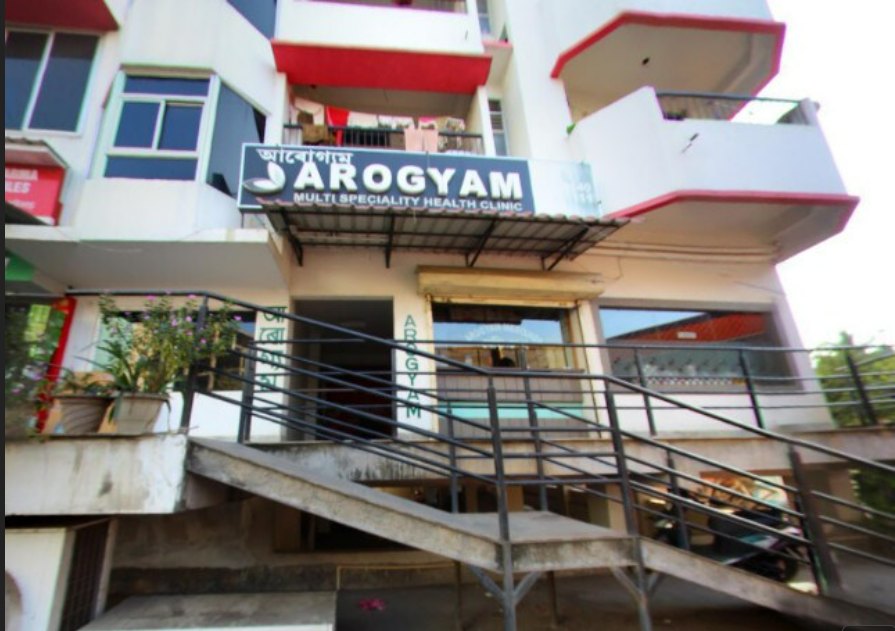
Arogyam Hair Transplant and Cosmetic Surgery Clinic
Arogyam Hair & Cosmetic Clinic, Guwahati, Assam 8811077011, 7637089211 guwahatihairtransplant@gmail.com

Category: Hair Transplant

  • Understanding Follicular Unit Extraction (FUE): A Modern Hair Transplant Solution

    Understanding Follicular Unit Extraction (FUE): A Modern Hair Transplant Solution

    Understanding Follicular Unit Extraction (FUE): A Modern Hair Transplant Solution

    Are you considering a hair transplant but want a minimally invasive option with natural-looking results? At Arogyam Hair Transplant Clinic, Guwahati, we offer a very advanced and safe technique known as FUE – Follicular Unit Extraction.

    🔍 What is FUE?

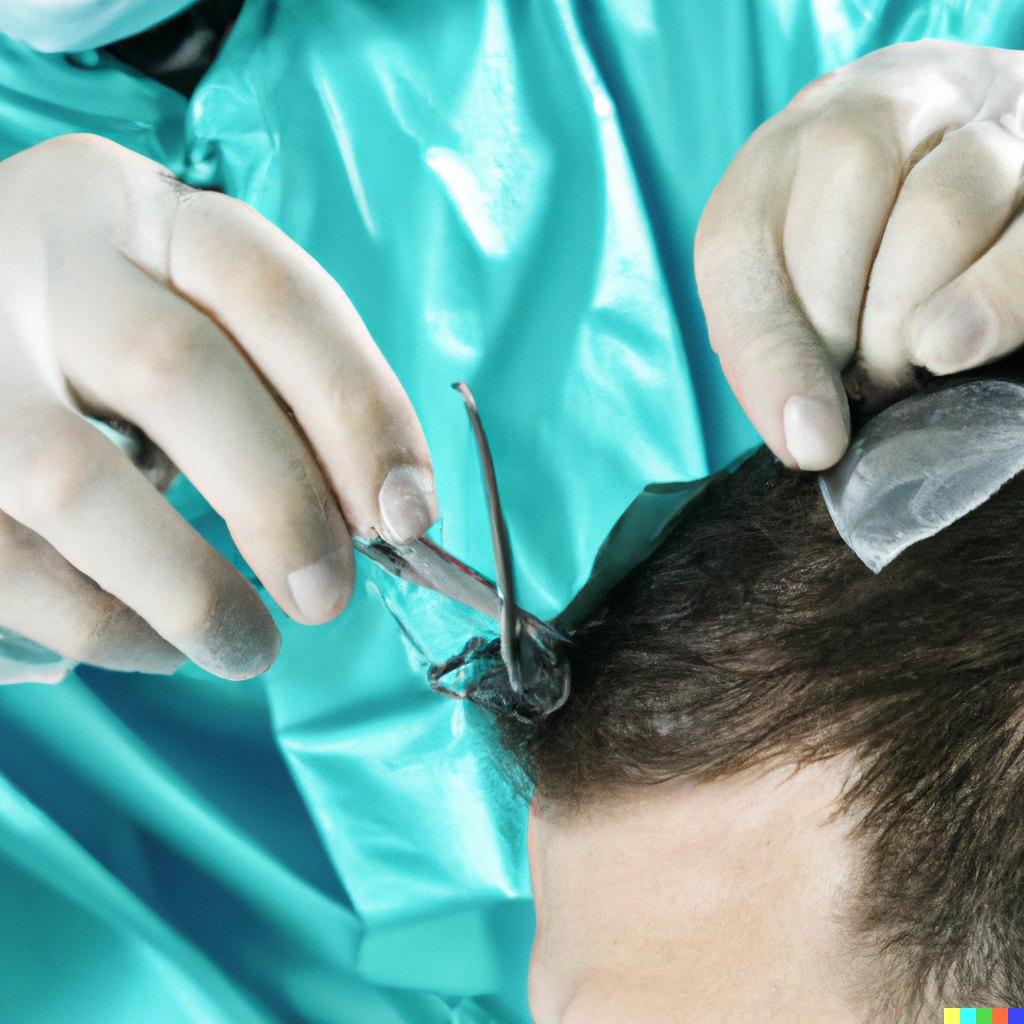
    Follicular Unit Extraction (FUE) is a modern hair restoration technique where individual hair follicles are extracted directly from the donor area—typically the back or sides of your scalp—and then implanted into the balding or thinning areas.

    Unlike older strip methods (FUT), FUE does not leave a linear scar, making it the preferred option for many patients today.

    ✅ Key Benefits of FUE at Arogyam

    • No Visible Scars: Perfect for those who like to keep their hair short.

    • Minimal Pain & Fast Recovery: Local anesthesia and quick healing time.

    • Natural Hairline Results: Our expert design ensures density and direction match your original hair.

    • Precision Technology: We use Blunt Motorised FUE for improved graft quality.

    🛠️ Our FUE Procedure – Step by Step

    1. Consultation & Assessment

    We assess your scalp, hair type, and pattern of baldness to plan a good approach.

    2. Donor Area Preparation

    Hair is trimmed and the area is numbed with local anesthesia.

    3. Graft Extraction

    Using micro punches (0.8mm–1.0mm), hair follicles are gently extracted one by one.

    4. Graft Preservation

    Extracted follicles are preserved in a growth-supporting solution.

    5. Recipient Site Implantation

    Using special implanters, our expert places grafts in a way that mimics your natural hairline.

    👨‍⚕️ Why Choose Arogyam Hair Transplant Clinic, Guwahati?

    • ABHRS Diplomate Surgeon – India’s only certified doctor in Northeast India.

    • High Safety Standards – Our procedures are done in a fully equipped, hospital-based OT setup.

    • Transparent Pricing – Based on the number of grafts. No hidden charges.

    • Advanced Techniques – From facial hair transplants to women’s hair restoration.

    👩‍⚕️ Who is FUE Suitable For?

    • Men and women with patterned baldness

    • Those with thinning hair due to hormonal or genetic factors

    • Patients who want minimal downtime and no stitches

    • People looking for eyebrow, beard, or moustache restoration

    📈 Results & Recovery

    • Scabs fall off in 7–10 days

    • New hair growth starts in 3–4 months

    • Full results visible in 8–12 months

    • No hospital stay required

    📞 Book Your Consultation Today

    At Arogyam Hair Transplant Clinic, we are committed to restoring your confidence through scientifically proven and internationally certified techniques. Discover how FUE can transform your appearance—naturally and safely.

  • Post-Transplant Care: Tips for Optimal Recovery

    Post-Transplant Care: Tips for Optimal Recovery

    Post-Transplant Care: Tips for Optimal Recovery

    INTRODUCTION

    Embarking on a hair transplant journey is a transformative experience. While the procedure itself is pivotal, the post-operative care plays an equally crucial role in determining the success and longevity of your results. At Hair Transplant Guwahati, we prioritize your recovery by providing comprehensive aftercare guidance.

    1. Immediate Post-Operative Care

    • Rest and Recovery: Take it easy for the first few days post-surgery. Avoid any strenuous activities that might increase blood flow to the scalp. 

    • Sleeping Position: Sleep with your head elevated at a 45-degree angle for the initial nights to minimize swelling. 

    2. Scalp Care and Washing

    • First Wash: Wait at least 48 hours before washing your hair. Use a mild, sulfate-free shampoo and gently pour lukewarm water over your scalp. Avoid rubbing or massaging the transplanted area.   

    • Drying: Pat your hair dry with a soft towel. Avoid using hairdryers or any heat-styling tools for the first few weeks.  

    3. Activity Restrictions

    • Physical Activities: Refrain from heavy exercises, swimming, and activities that cause excessive sweating for at least two weeks. 

    • Sun Exposure: Protect your scalp from direct sunlight. If you need to go outdoors, wear a loose-fitting hat. Avoid sun exposure for at least two weeks post-surgery.   

    4. Lifestyle Considerations

    • Smoking and Alcohol: Avoid smoking and alcohol consumption for at least a week post-surgery, as they can hinder the healing process. 

    • Diet and Hydration: Maintain a balanced diet rich in vitamins and minerals. Stay hydrated to support the healing process.

    5. Monitoring and Follow-Up

    • Scab Formation: It’s normal for scabs to form on the transplanted area. Do not pick or scratch them; they will fall off naturally within 7-10 days. 

    • Follow-Up Appointments: Attend all scheduled follow-up appointments to monitor your progress and address any concerns.

    Conclusion

    Proper post-transplant care is integral to achieving the desired results from your hair transplant. By adhering to these guidelines, you can ensure a smooth recovery and optimal hair growth. At Hair Transplant Guwahati, we’re committed to supporting you every step of the way.

  • Hair Transplant in Women: A Guide

    Hair Transplant in Women: A Guide

    Hair Transplantation in Women is becoming increasingly common, with Downtown Hair Transplant Clinic seeing around 5% of its patients as female. Hair Transplantation can be used to address three main conditions in women – Female Pattern Baldness, Lowering of the Hairline, and Eyebrow Reshaping.

    Female Pattern Baldness

    For Female Pattern Baldness, a number of treatments can be used.

    Medical treatment: a combination of Minoxidil and nutritional supplements is used in women. Minoxidil is an effective medication to treat Female Pattern Baldness but is contraindicated in pregnant women, and its effects may be temporary. Nutritional supplements is important, specially in case of anemia.

    Correction of pre existing diseases: diseases like low thyroid hormones, PCOS with hormonal imbalance, etc can also cause hair loss in women and should be corrected.

    PRP: PRP or platelet rich plasma therapy is a very useful treatment in hair loss in women. 10 ml of blood is taken from the person and this is processed till 1 ml of platelet rich plasma is extracted from this blood, this PRP is then injected into the scalp. It stimulates hair growth and can stop or even reverse female pattern baldness.

    SMP: scalp micropigmentation is a method whereby small black dots are tattooed into the scalp, this camouflages the empty areas of the scalp and gives an appearance of dense hair. This is very useful in women who do not want to do hair transplant.

    Hair Transplant: and finally, hair transplant is the final solution for female pattern hair loss. Hair transplant in women is similar to men, but there are some fundamental differences. In women, the hair cannot be trimmed as women will not allow it, so it is done without trimming. Only a small linear area is trimmed for the donor hair. Also in women, the hair loss does not have a pattern so hair is transplanted mainly in an inverted T-shape covering the front hairline area and the parting. About 1500 to 2000 grafts are needed in women generally and cost is between Rs 55000 to Rs 70,000.

    Lowering Hairline

    Lowering the Hairline is another common reason women seek Hair Transplantation.

    Hairlines may be naturally high for some women from birth, and many women are dissatisfied with such high hairlines. They often seek out hair transplant to lower the hairline.

  • 14 Things to Know About Eyebrow Transplant in Guwahati

    14 Things to Know About Eyebrow Transplant in Guwahati

    Top 14 things you need to know about Eyebrow Transplant in Guwahati, Assam

    More and more people are asking for Eyebrow Transplant in Guwahati, Assam and the North East. Eyebrow Transplant was first started in Arogyam Hair Transplant in Guwahati, Assam. For good results, eyebrow transplant needs to be done carefully and by experienced specialists. Read on to know more about eyebrow transplant:

    1. Eyebrow Transplant is one of the most common hair transplants after scalp transplant and facial transplant (beard and moustache)
    2. Eyebrow transplant is required in many different cases as in ladies who have genetically thin eyebrows from birth, where the eyebrows have thinned due to repeated use of eyebrow pencil, to reshape the eyebrows, for example, to make them wider or when they are too far apart, etc
    3. Eyebrow transplantation is done in the same way as in scalp hair transplant. Hair is taken from the back of the head using FUE method and then carefully planted in the eyebrow region.
    4. The hair does not need to be cut, only a small thin strip is trimmed and hair is taken from this region. This area is easily covered specially in ladies as their hair is long.
    5. The whole process takes two to three hours depending on how many grafts need to be transplanted.
    6. After the procedure, there is swelling of the eyebrows for upto 5 days and during this time the patient either needs to take leave from work or can use large sunglasses which cover the eyebrow area also.
    7. Pain is minimal during the transplant and can be easily borne. Side effects are rare to non-existent.
    8. Drawing the eyebrow shape is the most important step of the procedure and the patient is kept fully involved during the drawing so that she can have the eyebrows that she wants.
    9. Full result can take upto 6 months though a good result is obtained by one month.
    10. The transplant hairs since they are from the back of the head will keep growing long and the patient has to trim them every two or three weeks. With time the growth slows down. The long hairs have the advantage that they can be used to shape the eyebrows according to the patient’s choice.
    11. The transplanted hairs can also be threaded normally for shaping.
    12. Arogyam Hair Transplant is the pioneer in eyebrow transplant since 2012 and a large number of cases have already been done in the North East.
    13. Cost in eyebrow transplant can vary from Rs 25000 to Rs 35000 depending on the area to be done. It is a one time cost.
    14. Prior appointment has to be taken for the procedure.

      Contact at 8811077011 / 8811077011 to know more about this procedure and book an appointment.

      Read up more here:

      About Dr. P. J. Mazumdar and Arogyam Hair Transplant Clinic

      Top 30 questions you need to ask about your Hair Transplant Doctor and Clinic

      Know more about the American Board of Hair Restoration Surgery

  • 10 Things to Know About the Cost of Hair Transplant in Guwahati

    10 Things to Know About the Cost of Hair Transplant in Guwahati

    Top 10 things you need to know about cost in hair transplant in Guwahati, Assam and the North East

    Cost in hair transplant varies widely in different regions, and different people will be quoted different costs even in Guwahati itself. You definitely want good results for your transplant, and it may be confusing to understand why different costs have been quoted for the same person. Cost in hair transplant depends on three main factors – the degree of baldness of the patient, the expectation of the patient and the rates of the clinic. Besides this, there are a number of other factors which influence cost in hair transplant in Guwahati. Because of the wide variation in costs that are quoted to the patient, you need to understand the factors which influence the costs, and also the right questions to ask so that you get good results for your money. Here the top 10 things you need to understand about cost in hair transplant in Guwahati, Assam and the North East.

    1. Degree of baldness is the most important deciding factor for cost. The more the baldness the higher will be the cost for you. A higher area of baldness means a greater area to cover and hence a larger number of grafts and more time, so cost also is more.
    2. Your expectations and desires: this can often be the most important factor deciding the cost of the procedure. How much you want to do is your own choice, and you can choose to go for a larger number of grafts or a lesser number as per the amount you have earmarked for spending on your transplant. After all not everyone may want to go for the largest possible transplant – you might want just enough to make yourself presentable. Lesser number of grafts than the optimum can still be used to cover the baldness very effectively, either by lowering the density of grafts given or by covering mainly the front portion of the bald area and creating a nice hairline. Hairline and the ‘tuft’ area of the scalp, the mid frontal portion, is the main area for creating a look of normal hair and it is sufficient to cover this area with nice density to make you look young again.
    3. The rate of grafts is the third most important factor in the cost of transplant. It is here that you have to be extra careful in your decision to make sure that you get good results for your cost of transplant. A whole lot of factors decide what the rate per graft is for the particular clinic and you have to consider these factors very carefully. They are given in the following sections.
    4. The experience and qualification of the doctor is the main factor determining the rate per graft of the clinic. You should look carefully into whether your doctor is qualified for hair transplant and whether he has sufficient experience. You should also look into whether he is a member of the professional bodies for hair transplant and whether he is in touch with the latest technological advances. A highly qualified professional will naturally charge more than a less qualified person. Chain clinics will usually have roaming doctors whose qualifications are dubious at good and who disappear once the procedure is over.

    Dr. P. J. Mazumdar is the most qualified hair transplant specialist in the North East as he is the only Diplomate in Hair Transplant Surgery from the American Board of Hair Transplant Surgeons. He is also the most experienced as he started FUE Hair Transplant in Guwahati and the North East in 2012, and performs by far the a large number of FUE procedures per year in the North East.

    1. The stature and reputation of the clinic is also very important in deciding the rate per graft. A well established and reputed clinic will naturally have higher standards to maintain and this increases the cost.

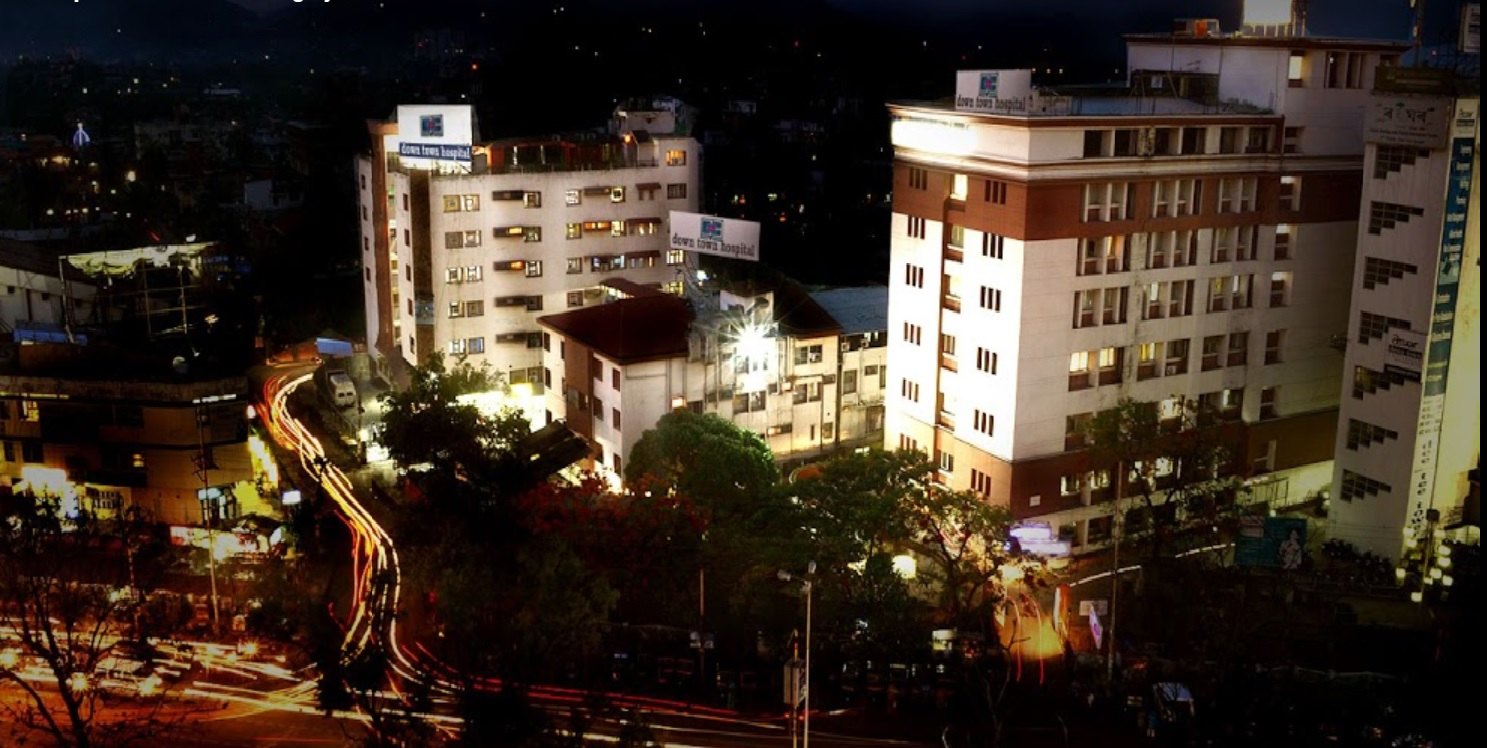
    Downtown hospital is the largest private hospital in the North East and Arogyam Hair Transplant Clinic is the only clinic in the North East to be situated in a hospital. All other clinics in the North East operate from rented premises with their inherent disadvantages. Full safety and sterility is ensured as the procedure is done in the fully equipped Main OT of Downtown hospital.

    1. Graft vs Hair also determines the cost. A graft consists of two to three hairs or more. Many clinics will confuse the patient by quoting prices for grafts whereas they mean hairs. Thus you may find a clinic offering you ‘5000 grafts in 1 day at just Rs 20 per graft’. This might seem attractive, but there are many pitfalls in this offer. First of all, it is impossible to do 5000 grafts in 1 day, internationally no doctor does more than 2500 to 3000 grafts in a day. This is a sure sign that the clinic means 5000 hairs, not grafts. Such large number of grafts quoted for a small area is a sure sign that they mean hairs, not grafts. Their price per graft would thus be around Rs 50, but by quoting hairs instead of grafts, they make it sound like Rs 20 only. Also, such clinics do not offer you any reasonable verification method so that you can never determine how much they have actually given.

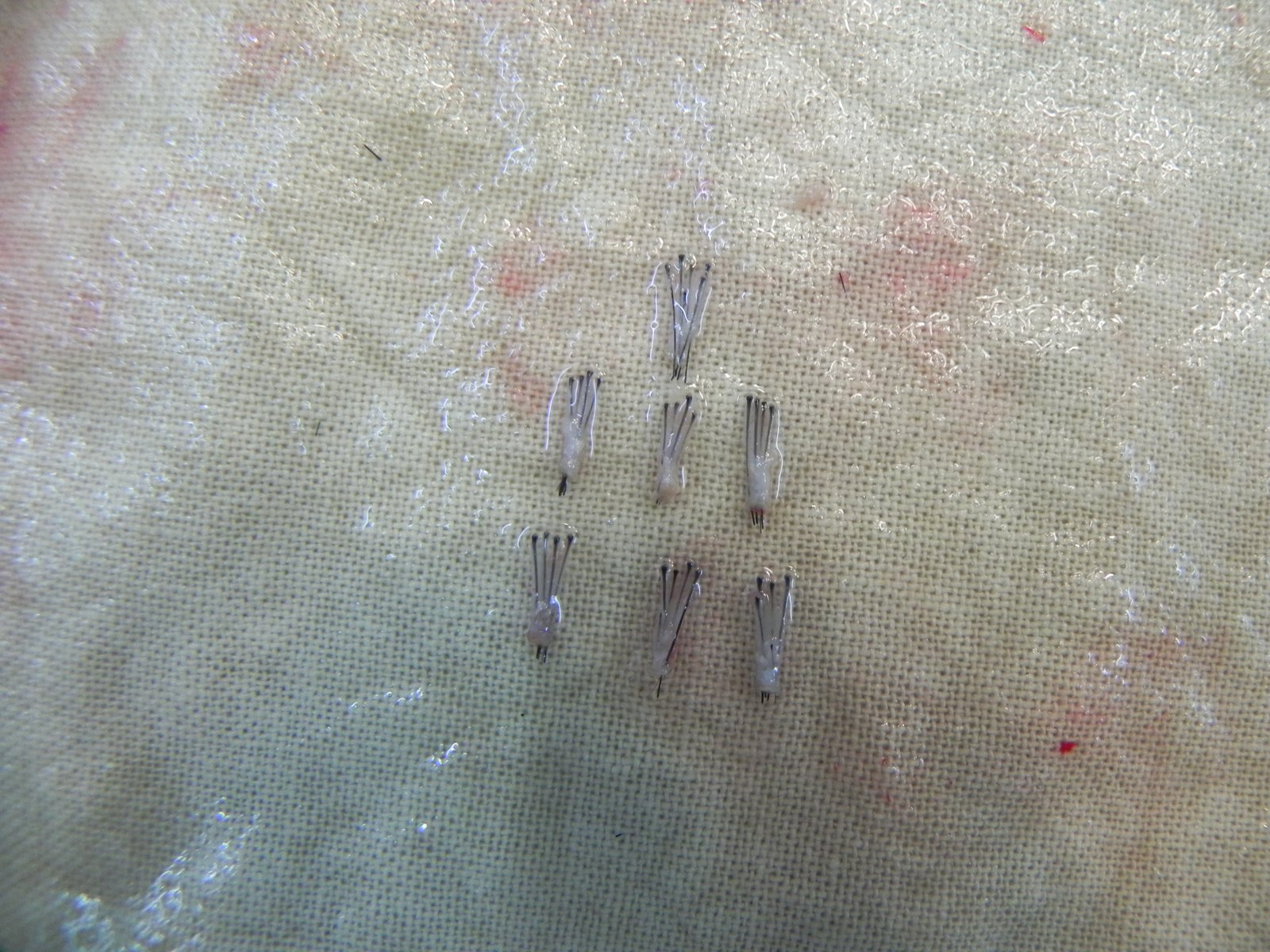
    At Arogyam, strict ethical standards are maintained and all costs are quoted in grafts, which is the internationally accepted norm. Also, full verification is given to the patient by using counting trays in which the grafts are placed and then giving photos of these trays to the patients on their mobile, so that they can later zoom in and see whether grafts or hairs are being used and also count them easily on the counting trays. Thus no room is left for doubt in the mind of the patient.

    1. The level of instrumentation also determines the price. Highly sophisticated and advanced instruments are naturally more expensive and costs more. Hence prices would be more.

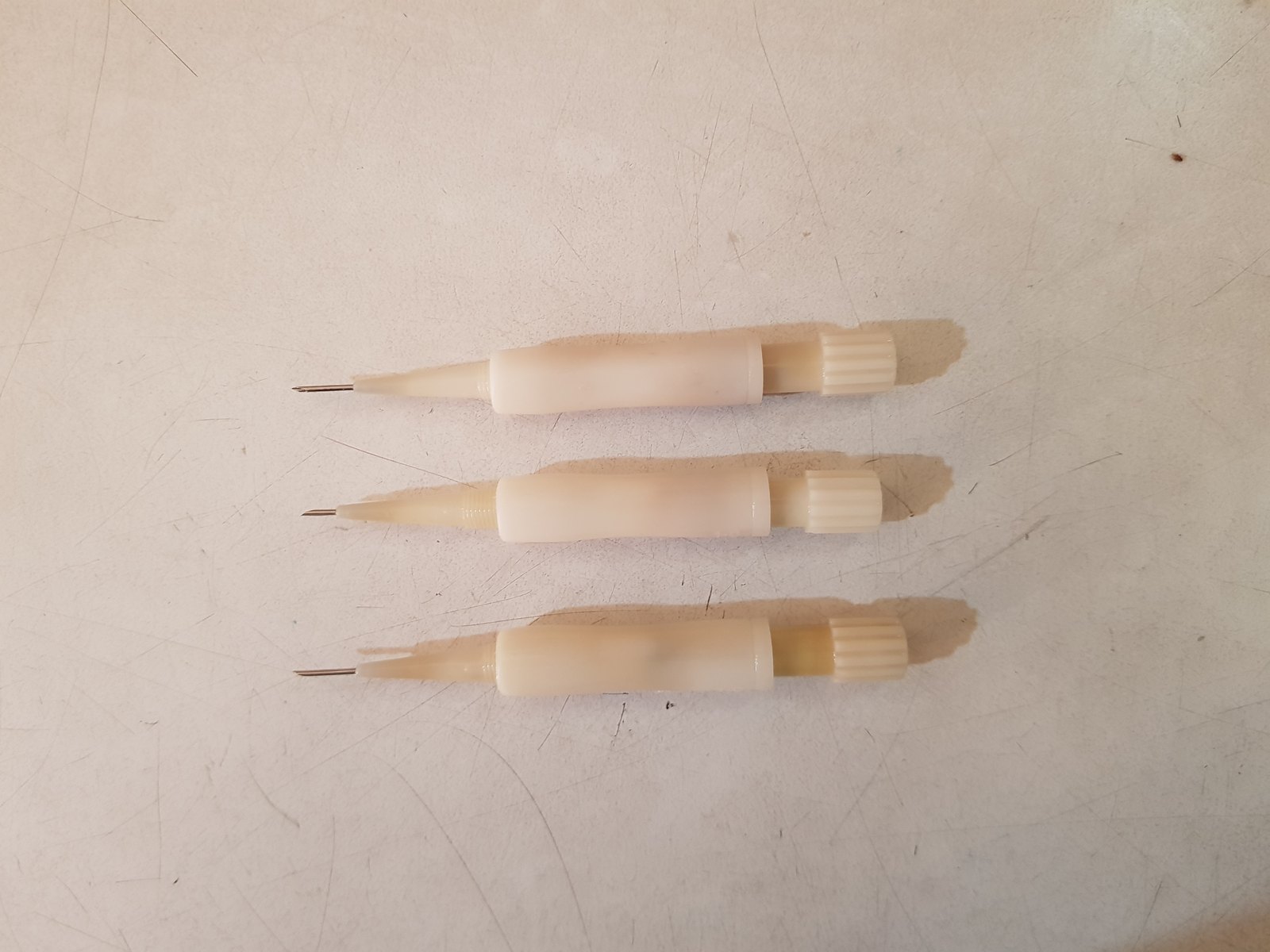
    At Arogyam, we use a very advanced technique, Blunt Motorised FUE, and a good instrumentation like 6X Heinz loupe, Choi Implanters, Blunt Titanium punch, density stamps, counting trays, etc to ensure good results for the patient.

    1. Emergency services also increase the costs. Although hair transplant is an extremely safe procedure with a very low rate of complications, yet it is vital that full emergency infrastructure must be maintained for safety of the patient.

    Full Emergency services are possible only in a hospital setting and at Downtown hospital, we have the entire range of Emergency services to ensure full support in case of any emergency.

    1. Supporting infrastructure like pathology labs, blood banks, ICU etc are a must for any procedure. These also drive up the prices but are a necessary part of hair transplant.

    Downtown hospital has all the necessary infrastructure to support any big surgery including open heart surgery, kidney transplant, brain surgeries, etc and hence you will be assured of full support.

    1. Full documentation including GST taxes ensure that proper standards are maintained by the clinic and all legal and ethical standards are maintained.

    Downtown of course ensures that all such documentation is maintained up to the highest standards.

    Costs in Arogyam Hair Transplant Clinic are maintained according to the standards we provide. We are not the cheapest clinic in Guwahati or the North East, but we are not the most expensive either, our prices are in the middle range. But we can justifiably claim that we provide a good treatment according to all International ethical and technical standards and we do not compromise on quality.

    Our price is Rs 35 per graft plus GST. This is in the middle range of prices in India and also in Guwahati for any Association of Hair Restoration Surgery registered clinic and doctor.

    For a Grade 3 baldness, cost would be around Rs 30,000, for Grade 4 around Rs 40,000 to Rs 60,000 , Grade 5 between Rs 60,000 to Rs 80,000, Grade 6 Rs 1 lakh to Rs 1.2 lakh and Grade 7 more than Rs.1.5 lakhs. This is if they want to cover the whole scalp with high density, but as explained before you can also choose to do a lesser number of grafts and thus your cost can be lower than this also.

    There are at present 5 Hair transplant Clinics in Guwahati. Yes, there are 5 now! When we started we were the only clinic doing FUE Hair Transplant back in 2012. They are, in alphabetical order:

    Arogyam Hair Transplant Clinic, Downtown hospital -owned by Dr. P. J. Mazumdar, MS, FICS, ABHRS Diplomate

    Dr. Paul, Zoo Tiniali – part of a chain which started as a homeopathy clinic for hair.

    DHI, Supermarket police point – part of a chain of clinics

    HHY, Bhangagarh – part of a chain of clinics

    Monjoven, VIP Road – owned by Dr. Porag Neog, MS. First hair transplant in the North East was done in Monjoven using strip method in 2010.

    Prices, according to telephonic quotations, are:

    Arogyam: Rs 35 per graft

    Dr. Paul: Rs. 25 per graft

    DHI: Rs. 65 per graft

    HHY: Rs. 30 per graft

    Monjoven: Rs 35 per graft

    As you can see, we fall in the middle range of prices.

    Each clinic has its own strength and weaknesses. Different patients choose different clinics as per their priorities. As a prospective customer, you should examine each clinic and determine which would suit you good.

    Our disadvantages are:

    • We cannot offer the cheapest prices. Our surgeon is the most highly qualified and with the longest experience in FUE in the North East, our instrumentation is of the highest standards, our OT is fully equipped to handle everything, etc. Our prices are not the cheapest but also not the highest either. If you are looking for the cheapest clinic, then we are not it, but if you are looking for good, then please go through our information.
    • Dates may not be readily available. All our dates are generally already booked well in advance, so you should book 2-3 weeks in advance to get the date of your choice.
    • We do not have a high profile advertisement campaign nor sponsored celebrities, hence you may have heard less of us in the media. Being hospital based in fact, there was no advertisement at all in the initial years and it is only now that some internet advertising is being done at a limited scope. Majority of our patients continue to be referral patients from previous satisfied customers. Despite not having a high voltage publicity campaign, we take pride in the fact that we are the largest hair transplant clinic in the NE doing the a large number of transplants per year in this region.
    • We do not offer highly glamorous facilities. Downtown hospital is one of the long-established hospitals in Guwahati, and the layout is not the most fashionable. The OT arrangement is geared towards sterility and efficiency rather than flamboyance.
    • GST is a must. All our documentation is maintained legally and so we pay all our taxes.

    Our advantages are:

    • Arogyam Hair Transplant uses a good method of hair transplant, Blunt Motorised FUE, and the latest instruments like Heinz 6X loupe, Choi implanters, Blunt Titanium punch, etc
    • Dr. P. J. Mazumdar is the most highly qualified doctor in North East, as he is the only doctor in the region who is A Diplomate of the American Board of Hair Restoration Surgery as Diplomate in Hair Transplant, which is the highest recognition in Hair Transplant, and he is also the most experienced, having started FUE Hair Transplant in the North East in 2012 and doing the a large number of surgeries regularly since then.
    • Arogyam Clinic follows all the ethical and technological norms established internationally by the American Board of Hair Restoration Surgery and the ISHRS (International Society of Hair Restoration Surgery) like ethical advise, cost quoted in grafts, hairline with multilevel graft placement, etc
    • Arogyam Hair Transplant is situated in Downtown Hospital and all essential emergency services including full staff from anesthesilogists to emergency nursing care is available round the clock in case of any emergency.
    • All advise and post operative care, etc is done by the operating surgeon
    • All necessary steps of the transplant like slit making, extraction, etc is done by the surgeon
    • Counting trays are used for full verification of the graft number and quality so that no doubt is left in the minds of the patient
    • Full sterilisation according to highest OT standards is done in the main OT of Downtown hospital

    Read up more here:

    About Dr. P. J. Mazumdar and Arogyam Hair Transplant Clinic

    Top 30 questions you need to ask about your Hair Transplant Doctor and Clinic

    Know more about the American Board of Hair Restoration Surgery

  • 30 Questions to Ask About Your Hair Transplant Doctor and Clinic in Guwahati

    30 Questions to Ask About Your Hair Transplant Doctor and Clinic in Guwahati

    Top 30 Questions You Need To Ask About Your Hair Transplant Doctor and Clinic in Guwahati Assam

    All hair transplant customers in the region try to find the hair transplant doctor and clinic in Guwahati, Assam and the Northeast. Hair transplant experts are doctors who are specialists in hair transplant surgery. Guwahati, Assam is the well known destination for medical procedures like hair transplant and there are 5 hair transplant clinics in Guwahati itself out of which choosing a good can prove difficult for those who do not know the right things to ask.

    Given here is a list of THE TOP 30 questions that YOU need to ask before choosing the hair transplant doctor and clinic in Guwahati and the North East, 10 questions each about the Doctor, Clinic and the procedure itself.

    10 questions to ask about your hair transplant doctor / specialist

    10 questions to about your hair transplant clinic /hospital

    10 questions to ask about your hair transplant procedure

    10 questions about the hair transplant doctor/specialist in Guwahati

    1. What is the qualification of the doctor?

    It is vital to know the qualifications of your doctor. Many unqualified persons like MBBS doctors, Ayurvedic or Homeopathic graduates and even techinicians can be found doing hair transplant in India and also in Guwahati. This is specially true of clinics which are branches of big chains of clinics and have roaming teams to do the transplant. Such clinics, and also some consultants, will gather all hair transplant patients till a number is reached and then call the team with which they have contact. These teams most often do not have qualified doctors – a qualified doctor does not need to go to patients, patients come to him. Such doctors are often anonymous and the consultant cannot even name them properly and may also give unverified ‘degrees’ which are dubious.

    Dr. P. J. Mazumdar is the highest qualified doctor in the North East – he is the first and only ABHRS Diplomate hair transplant specialist being a Diplomate of the American Board of Hair Transplant Surgery. This is the highest qualification in Hair transplant and there are only about 20 such qualified hair transplant specialists in India.

    1. What is the experience of the doctor? How many cases has he done?

    The experience of the doctor is the most important element in the success of hair transplant. In clinics with roaming teams of doctors/technicians, although the clinic chain as a whole may be experienced, no one can be really sure about the experience of the individual doctor/technician who is going to do the procedure. These roaming teams keep rotating their doctors /technicians bringing in new faces to cut cost

    Dr. P. J. Mazumdar is the most experienced doctor in FUE Hair Transplant in the North East. He did the first FUE transplant in the North East in 2012 (the actual procedure of motorized FUE was invented only in 2006 in the US by Dr. Sam Harris). Since then, he has been performing the a large number of FUE surgeries in the North East each year and this number has been steadily growing.

    1. Will the doctor whom I have consulted do the procedure itself or it it somebody else?

    In many clinics the person who does the initial consultation is not the operating surgeon and merely kept there to convince the patient with vivid descriptions but is unable to provide the actual information. The operating person sees the patient only just before the procedure. This is both dangerous and totally unsatisfactory, as good results cannot be obtained in this way.

    In Arogyam Clinic, Dr. P. J. Mazumdar himself will examine the patient right from the first consultation to the end of the procedure ensuring that the patient is well informed about all the steps of the procedure.

    1. Will the doctor do all the steps of the procedure?

    In many clinics, the doctor does not do all the steps of the procedure. He may do only the initial hairline or a few extractions leaving the rest of the procedure to the technicians. This is dangerous and illegal.

    In Arogyam Hair Transplant Clinic, Dr. P. J. Mazumdar himself will do all the steps of the procedure from initial consultation to hair line drawing to follicular unit extraction to slit making, as per the norms of the AHRS and ABHRS.

    1. Will the doctor do the aftercare of the patient?

    In clinics with roving teams of doctors / technicians, the person doing the aftercare is different from the persons who did the procedure. This is an unsound practise and can lead to problems for the patients.

    In Arogyam Clinic, Dr. P. J. Mazumdar will always be available for aftercare himself.

    1. Will the doctor be available for post operative care?

    In case of chain clinics and some consultants who bring in operating teams from outside, once the operating person has completed the case, he leaves the state itself and goes back to his hometown. The patient cannot locate his operating doctor any more and has to depend on advise from someone who does not know how the procedure is actually done. Take care to ask if the operating doctor will be available for post operative queries.

    Dr. P. J. Mazumdar will be stationed in Downtown hospital and is always available for all queries of the patient in the post operative period, which is very important for the patient.

    1. Will the doctor follow any ethical standards in his advice?

    Today there are many different types of people doing hair transplant even in Guwahati. Many persons are quite ready to cheat patients using the patient’s lack of knowledge of technicalities. The commonest method is to quote ‘follicular units’ for ‘hairs’. One follicular unit contains 2.5 hairs on the average, and price should ethically be quoted in terms of FU (follicular units), but many clinics will count hairs as FU. Clinics also do not give any option to the patients to verify the number of FU received, and give much less than the promised number. Also unrealistic boasts like ‘5000 FU in one day’ are common for such clinics. Prospective hair transplant customers should be aware of these false claims. The a large number of FU that can be done in a day as per International norms is generally 2500 FU, and that too is a high figure.

    Dr. P. J. Mazumdar, being a Diplomate of the American Board of Hair Transplant Surgery, and also a member of the Ethics Committee of the Association of Hair Transplant Surgeons of India, is duty bound to follow all ethical guidelines and customers can be assured that they will receive true facts at Arogyam.

    1. Will the doctor follow the latest technological advances in hair transplant procedure?

    Hair transplant is a rapidly advancing field and many new developments are taking place in this field. It is necessary to remain upgraded with the latest knowledge to take advantage of these developments. Professional money minded clinics generally will not invest in new technologies in order to maximise their profits.

    Arogyam Clinic updates its procedures regulary and Dr. P. J. Mazumdar is a regular at all national and International conferences in order to acquire the latest instruments, technology and knowledge to achieve good results in hair transplant.

    1. Does the doctor belong to the requisite professional bodies for hair transplant?

    Clinics relying on fly by night doctors are unable to give a full account of the qualifications of their doctors, and such doctors are often unqualified and untrained, and sometimes there are even technicians masquerading as doctors. Membership of professional bodies is a tool to ensure that your doctor is fully qualified and all potential customers must make this quer.

    Dr. P. J. Mazumdar is a Diplomate of the American Board of Hair Restoration Surgery which is the highest body of hair transplant surgeons throughout the world. He is also a member of the Association of Hair Restoration Surgeons of India and is member of the the Ethics Committee of the AHRSI.

    1. Where has the doctor been trained?

    Besides qualifications, it is important to know where a doctor has been trained. Most clinics with roving doctors are unable to give this information as the doctor or technician has not received adequate training.

    Dr. P. J. Mazumdar received his initial training under Dr. Vasa and since then has attended numerous workshops where he has been trained under a good International and National experts like Dr. Sam Harris, the inventor of the modern method of FUE, the motorised FUE, Dr. Farjo, Dr. Besham and many others.

    10 questions about the hair transplant clinic in Guwahati

    1. Is the clinic a well extablished hospital or a small rented establishment?

    Most hair transplant clinics in Guwahati at present operate from small rented establishments which are not at all fit to be operating rooms. A medical establishment with operating rooms where surgical procedures are going to be done has a huge number of requirements and cannot just be set up by renting a few rooms. Hence it is very important to ensure whether all the norms have been met, which is virtually impossible in a rented extablishment, often with many other shops, restaurants and bars nearby.

    Arogyam Hair Transplat Clinic performs all its procedures in Downtown Hospital, the largest private hospital in the North East, and the procedures are done in the Main OT Complex of Downtown Hospital, thus ensuring that patients are assured of receiving a good of care.

    1. Is the clinic well reputed?

    It is also important to enquire whether the clinic is a well reputed and established one. Many clinics are set up as fly by night projects which have no prior reputation and are set up mainly to make profits.

    Arogyam Hair Transplant Clinic and Downtown Hospitals are both well established Institutions which have a long list of achievements to their credit and enjoy a strong and well earned reputation as a good in their field.

    1. Is the clinic well experienced in hair transplant?

    It is also important to ask how much experience the clinic has in hair transplant. Although the chain clinics may have experience overall, the particular branch at Guwahati will have done only a few procedures till date. The overall experience of the clinic chain cannot compensate for the lack of experience of the clinic as it is the experience of the staff, etc which will count in the success of the procedures and also in any emergencies.

    Arogyam Hair Transplant Clinic has the highest experience in FUE Hair Transplant, performing the first FUE hair transplant in the region in 2012, only a few years after motorised FUE was started in the US in 2006. Since then, it has been the well known FUE clinic in the North East performing the a large number of procedures in a year and this number has been growing steadily over the years.

    1. Is the OT of the clinic made all the norms required of an OT?

    This is an important question to ask as small rented establishments cannot fulfil all the norms that are required of an OT before a surgical procedure can be done there. An inadequate OT exposes the patient to several risks and also acts as limitations to the success of the procedure.

    Arogyam Hair transplant clinic performs its procedures in the Main OT Complex of Downtown Hospital which is built according to all the latest norms and standards required of an Operating Room and ensures full safety of the patient and helps to reach the greatest success of the procedures.

    1. Is the OT equipped with all emergency procedures?

    This is a crucial question to ask about the hair transplant clinic. Proper emergency backup is a must to ensure safety of the patient. Although hair transplant is considered a very safe procedure, it is still ultimately a surgical procedure and risks can occur because of untoward reactions of the patients to drugs used during the procedure. This can be easily tackled when the clinic has the required emergency equipment and backup, but if these are lacking the patient can be in serious danger.

    No other clinic in the North East can claim the emergency backup of Arogyam Clinic. All procedures take place in the Main OT of Downtown Hospital with its full array of Emergency backup including Emergency Anesthesiologists and all necessary equipment, staff specially trained in Emergencies, and even ICU nearby if necessary. All other clinics in the North East are stand alone clinics in rented rooms with no emergency backup.

    1. Is the OT equipped with all sterilization facilities?

    Proper sterilisation is a must for all procedures. Sterilization requires a umber of important steps which must be performed correctly, such as autoclaving of instruments and clothes, liquid disinfectants for sharp instruments, regular fogging of the OT room, use of disposable equipments, etc. Such procedures are difficult to ensure correct performance and small stand alone clinics are likely to have gaps in their sterilization procedures.

    Downtown OT complex has all the necessary equipment and procedures to ensure full sterilisation of each and every case. All procedures of Arogyam Hair Clinic are performed in Downtown OT.

    1. Is the OT equipped with all the latest instruments for hair transplant?

    Success of hair transplant requires that a good and modern instruments are used for the transplant. This ensures optimal results of the procedure. It is important to enquire whether the clinic is using the latest technology.

    Arogyam Hair Transplant clinic can justifiably claim to be using the latest technology in the field of hair transplant from 6X Heinz loupe, Blunt Titanium punches, Choi Implanters, Graft counters, etc.

    1. Is the OT fully staffed?

    It is important that all staff should be fully trained and qualified. Even a single under qualified nurse or staff can be the weakest link in the chain and can cause the whole procedure to fail by not doing his or her work properly. Most clinics use a number of staff who are not qualified and have no theoretical knowledge and learn their work at the clinic itself by observation.

    All staff in Arogyam clinic are fully qualified staff nurses who are trained in emergency procedures.

    1. Are all the required legal and ethical procedures followed in the clinic?

    There are a number of legal requirements for maintaining a medical clinic and full documentation is a must for all procedures. This is necessary for ensuring the safety of the patient and for standardisation of procedures.

    Arogyam Hair Transplant Clinic along with Downtown Hospitals maintains all records and documentation and meets all legal requirements according to ISO 2002 standards. This ensures the highest level of standardisation. All taxes including GST are paid in full and strict documentation of all cases is ensured, and complete patient confidentiality is maintained.

    1. Does it have all the support like lab, blood bank, ICU, etc?

    Supporting facilities like pathology lab, Blood Bank, ICU, etc ensure full safety and backup for the patients. Stand alone clinics do not have any of these facilities and would require the patient or attendants to run around for simple requirements, and this can be a disaster during emergencies.

    Arogyam along with Downtown hospitals have all these facilities thus ensuring a safe and convenient procedure for the patient.

    10 questions about the hair transplant procedure

    1. Will the doctor explain a good procedure for me?

    Hair Transplant in fact is not the only procedure for all bald patients. There are many cases of baldness where in fact hair transplant is not recommended, like unpatterned hair loss, alopecia universalis, etc. Hair transplant is to be avoided in such cases. Also in cases of young patients presenting with minimal loss, it is often better in the patients interest to delay the transplant. There are many other cases where a good procedure is not hair transplant but medicines or other forms of treatment. Advisers in small clinics do not have all the knowledge to determine when hair transplant is not the answer, and they are also driven by greed to suggest the a large number of follicular units that the patient can bear in all cases.

    Arogyam Hair Transplant clinic follows all ethical guidelines of the American Board of Hair Restoration Surgeons and only a good and most appropriate advise is given to the patient. Patients who do not require surgery are prescribed other forms of treatment like medicines, hair patches, etc. Also only the most appropriate number of follicular units are advised and all factors are considered in determining this number.

    1. Will the doctor take care of my long term needs for hair?

    It is very important to understand that baldness can be a continuous process. A person who now shows baldness at the back only can soon start showing baldness at the front also. This is specially so in case of young persons whose baldness is at the initial stages. Hence proper counselling is a must for all balding patients to ensure that care is taken of the future needs of the patient also. This requires a genuine desire to see that the patient is benefitted in the long term also and not just do a maximal transplant in the first stage without caring what will happen to the patient some years later.

    At Arogyam Hair Transplant clinic, care is taken in counselling the patient to ensure that they understand the nature of their hair loss so that only a good possible advise is given which will take care of the long term needs of the patient also.

    1. Is hair transplant the only procedure?

    Hair transplant is not the only treatment for baldness. Many other treatments like medical treatment and also Hair Pieces (artificial hair) can be given for baldness. Transplant is required in many cases but not in all. It is important to know all the choices available before making a decision.

    1. What is the survival rate of the transplanted follicular units?

    It is very important to know the survival rate of transplanted follicular units. Many clinics claim total or close to total FU survival to impress potential customers, but this is a false claim.

    Internationally 85 to 95% survival rate is considered very good. Arogyam consistently achieves survival rate of around 92%.

    1. How many follicular units can be done in a day?

    It is also important to ask this question. Internationally a good clinic does between 2000 to 2500 follicular units in a day. This ensures optimal results. Some clinics even in Guwahati claim they can do upto 5000 follicular units a day, this is a false claim as it is simply not possible to do this number of FU in one day. Such claims prove that the clinic is cheating either by giving lesser number of FU than they show or counting hairs as FU..

    1. How can I verify how many follicular units were actually done for me?

    This is the step where patients are typically cheated in most clinics. No clinic has proper verification methods of the number of FU that they do. The patient is then left at the mercy of the clinic hoping that they have fulfilled their promises. But most, if not all, clinics cheat on this score and give lesser number of FU than promised. Sometimes clinics ask the patients or attendants to count the FU but this also is not a sure method as no one can possibly manually count all the FU within the short time at their disposal.

    At Arogyam, a special verification method is used so that no patient has any doubt in his or her mind. Follicular Units are placed in special counting trays and patients are asked to take pictures of these trays which they can then then zoom in and count later if they wish. This ensures that no patient has any doubt in his or her mind about the number of FU that were actually done.Not just the number but the quality of the ollicular Units, whether they have been transected or are whole, the number of hairs per FU, etc can all be checked so that the patient is fully confident in what was done..
    Is the counting done by follicular units or hairs? How can I verify thi?

    Difference between follicular units and hairs is another way in which clinics will typically cheat their patients. A FU contains between 2 to 3 hairs on the average and ethically counting and pricing should always be done in terms of FU and not hairs. But many unethical clinics will count hairs as FU and thus cheat their patients, who have no way of verifying whether hairs or FU were counted.

    At Arogyam, pictures are given to patients of the counting trays and this can be used to verify that indeed FU were used and not hairs.

    1. What density of follicular units will I be given?

    A well planned hair transplant requires that the density of hairs at different sites of the scalp is also planned beforehand and the implantation is done following this density. Thus for a successful result the correct density must be determined beforehand. The patient has a right to know what density has been planned for him and the doctor must be able to explain this. Hence it is important to ask this question beforehand, however many clinics do not have proper planning and cannot give this information.

    At Arogyam, not only is the density planned but to ensure correct density, density stamps are used so that the density is given with precision.

    1. Will all the advised steps of hairline be done as per International technical norms?

    International research has continuously led to improved techniques and guidelines which ensure optimal results. It is important that this latest knowledge is used in the clinic and correct operational procedures are followed.

    Arogyam Hair Transplant clinic follows all the latest technical guidelines and procedures as advised by the American Board of Hair Transplant Surgeons and ensures good results for the patients.

    1. Will any long term medicines be needed after the transplant?

    Post operative care and medicines required should be ascertained before the transplant. Long term medicines are not needed after the transplant but sometimes medicines may be prescribed for existing hair in order to preserve existing hair.

  • Eyebrow Transplant

    Eyebrow Transplant

    Eyebrow transplant is one of the most commonly asked for transplants next to scalp transplant.

    Deficient eyebrows can be due to genetic reasons as some women have thin eyebrows from birth and are not satisfied with this. Eyebrow thinning can also occur due to excessive use of eyebrow pencils over the years. Sometimes the density and thickness of the eyebrows may be normal and the patient only wants a reshaping of the eyebrows, for example when it is felt that the eyebrows are too wide apart or too short.

    hair transplant in Guwahati

    Eyebrow reshaping of filling is a very successful procedure. The basic process is the same as in other hair transplants. The hair is taken from the back of the head and transplanted to the eyebrow region.

    There are however some important steps in which special care is required in eyebrow transplant.

    The drawing of the outline of the eyebrows is a very important step. Great care is required to ensure that the eyebrows maintain their symmetry. At the same time the eyebrows must be properly angled and at the required height. Women have slightly different eyebrows than men in that the eyebrows are at a higher level in women and are also more angled. The angulation of the eyebrows must also be aligned to the face, a rounder face will have rounder eyebrows while a more sharply angulated face will generally have more angled eyebrows. All this must be taken into account while drawing the outline.

    The site for donor hair is also lower down for the eyebrows, and grafts are taken from just above the nape of the neck, as hairs here are softer and also single hair grafts which are required for the eyebrows.

    The planting of the hairs must also correspond to the natural pattern, as eyebrow hairs have a unique pattern. The hairs are planted in a fish bone pattern. The angle and direction of each hair is slightly different and this must be maintained to give a natural look.

    Scalp hairs transplanted into the eyebrows will continue to grow long throughout life. Hence the patient will have to trim her eyebrows every 2 weeks initially. But with time, and over two to three years, it is seen that growth gradually slows and trimming is not required frequently. The longer hairs are also useful because they can be used to shape the eyebrows according to choice.

    After the procedure, swelling and some skin discoloration can remain visible for upto 10 days, hence patients may have to take leave from work for upto 10 days. The area can however be also covered with large sunglasses.

    Eyebrow hair transplants would cost between Rs 15000 and Rs 25000 depending on how many grafts are required.

  • Premature Greying of Hair

    Premature Greying of Hair

    Graying of hair is an inevitable accompaniment of aging and one of the first signs that we are growing older. Graying is also written as ‘greying’ and in India it is more commonly called ‘lightening of hair’. Unlike baldness it occurs in both makes and females with equal frequency and severity, and unfortunately there is no long-lasting cure for this like hair transplant!

    In Indians, graying of hair starts in the late thirties. Graying is called premature graying when it occurs before the age of 30 in Indians.

    What are the causes of premature graying?

    Hormonal imbalances like thyroid and pituitary hormones, stress, dietary imbalance, any severe illness can all cause premature graying.

    Stress is widely believed to be the prime cause of premature graying. There is no scientific proof of this but we all know from experience that any sudden stressful period can lead to a lot of gray hairs. Stress can cause this by releasing excess stress hormones which probably cause the graying.

    hair transplant in Guwahati

    Other hormonal imbalances are also known to cause premature graying. Thyroid hormone imbalance, imbalance of testosterone, estrogen or progesterone are all known causes of early graying.

    Any severe illness like prolonged infections, autoimmune diseases etc can also cause premature graying.

    What are the treatments for graying of hair?

    The short answer to this unfortunately is – there is no treatment! There is till today no definite treatment in medical science for graying of hair.

    When it is due to hormonal imbalance, some reversal can occur once the imbalance is corrected. A good healthy diet, exercise, avoiding smoking and drinking should also help in preventing premature graying.

    What about the frequent complaints of Guwahatians and people in many other cities and towns that it is the high iron of the water here that leads to premature graying? There is just no evidence for it. Maybe its true and maybe it isn’t. There is no doubt that the present generation is having much earlier graying of hair. Young boys and girls in their twenties already have clumps of grey hair. Perhaps it is due to the increased tensions of the present age, or due to pollution.

    Whatever the cause, there is only one answer and that is dyeing of hair. There is no other treatment for this, so we all have to go through this.

  • Hair Transplant in Women

    Hair Transplant in Women

    Although the majority of hair transplant procedures are done in men for androgenic baldness, hair transplant is also done quite commonly in women. In Downtown Hair transplant clinic, about 5% of patients are females.

    There are mainly three conditions in which females require hair transplant – Female pattern baldness, lowering of hairline and eyebrow reshaping.

    Female pattern baldness:

    Four types of treatment are done for Female pattern baldness:

    Medicines: Medicines are given in females and have a good efficacy. The main medicine that is proven to be effective is Minoxidil. Minoxidil has some disadvantages – it does not work in every case, it has different grades of effectiveness in different persons and it works only for the period it is applied, if it is stopped hair loss again returns to the previous level. It is otherwise very safe but is very toxic for the fetus and absolutely contraindicated in pregnant women and those who are planning for pregnancy. However, overall Minoxidil is an effective medicine and should be used for all females suffering from female pattern baldness. Nutritional supplements or vitamins like Biotin etc are also helpful in recovering hair growth and need to be taken.

    Hair transplant:Hair transplant is the gold standard for treatment of baldness as it gives natural hair which lasts throughout life and returns the scalp to its normal hair growing state.

    The type of baldness that occurs in females is called female pattern baldness. It is quite different from that of male pattern baldness. In women, baldness has a much lower incidence than in males. And secondly, the pattern of hair loss is completely different. In males, there is a typical shape of the hair loss, with the hair receding primarily in the temple area, or the crown, or both. In females however the hair loss is diffuse, with the hair reducing uniformly all over the scalp. More or less the entire scalp is affected.

    Hair transplantation in women is thus different from males. In females, the extraction of the hair, the first part of the procedure, is the same. It is done through FUT (strip method) or FUE just as in males.

    But there is difference in planting. In males the hair transplant surgeon is concerned primarily with creating a hairline and then increasing the density progressively behind it. In females, the concern is primarily with increasing the density of hair. While doing this, the surgeon is careful to see that the front portions of the scalp are given more hair as this is after all the portion that is most visible.

    There are some technical differences – females naturally will not allow any trimming of hair and so the new hair follicles have to implanted between existing long hair which can often be a challenge and is more time consuming. Also as a larger area of the scalp is to be covered by hair, more local anesthetics have to be given. The angle of the hair to the skin is also different in females. But overall, hair transplantation is very effective for female baldness also and is satisfying and fruitful for the patient.

    Lowering the hairline:

    This is also something that is often asked for by women coming to the Downtown Hair Transplant Clinic. Many women feel they have too high a hairline and their forehead appears too big when their hair is pulled back. They are thus unable to use some hairstyles.

    Hair transplant is a very effective solution for this. A new hairline lower down as per the patient’s wishes can be created as is done in male pattern baldness. The female hairline is shaped differently than the male and is more rounded, this of course has to be followed. Once this difference is kept in mind, an excellent new hairline can be created for the patient at a lower level.

    Eyebrow reshaping:

    This is the third common requirement for females. Often the eyebrows can be very thin and unsatisfying – this may occur due to overplucking, use of bad quality eyeliners, genetically from birth, with age, due to trauma, due to conditions like hypothyroidism, etc.

    Hair transplant can be used to solve this problem also. Hair transplant from the scalp itself is used but here, temporal hair or occipital hair, ie, hair from the region above the ears or low down in the head at the back, is used as it is of the same texture. The hair is then planted with very high density into the eyebrow area and the eyebrow is shaped.

    Since the hair is from the scalp, it will continue to grow long and the hair has to be trimmed regularly about once every 7-10 days. But usually in about two years, growth will be the same as other eyebrow hairs and trimming is not required. About 200 hairs are used for each eyebrow generally.

    Besides these three main requirements for female hair transplant, there can be other individual causes such as hair loss due to burns, Hansen’s disease, etc.

    Overall, hair transplantation is a very successful procedure for women also and can be a big boon for those whose hair loss has sapped their strength and confidence.

  • Hair, Follicle, Follicular Unit and Graft

    Hair, Follicle, Follicular Unit and Graft

    Anyone who has read up on hair transplant will come up against these four terms – hair, follicle, follicular unit and graft, and it may seem a bit confusing at first. What do these terms mean?

    These terms are often used wrongly and interchangeably, but actually they all mean different things. This is what they actually mean:

    Hair – hair is simply the outer shaft of keratin material, the part that we all identify as hair conventionally. No problems in understanding this.

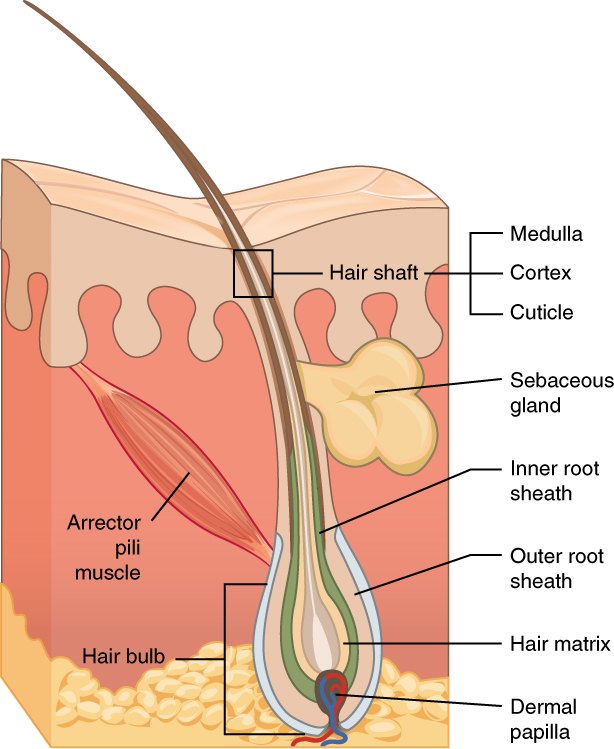
    Follicle – Follicle means the root of the hair, the part which is buried under the skin. It is the follicle which produces the hair shaft. The follicle consists of the bulb, which are the stem cells which produce the hair, the layer of skin cells, sebaceous gland and other supporting cells.

    Follicular unit – a follicular unit is a collection of hairs which are grouped together in the skin. The great importance of this structure was discovered by Bernstein and Rassman in 2002 and this can be considered the starting point of modern hair transplant surgery. Hairs are not arranged singly in the scalp but are grouped into units which can consist of one, two, three, four or even more hairs. An average Indian will have 2.2 hairs in one follicular unit.

    The hairs in a follicular unit are not simply hairs which accidentally happen to be close together- a follicular unit has a distinct anatomical structure. The hairs in a follicular unit are surrounded by a distinct collagenous sheath which groups them together, they have a common blood supply, a common nerve supply and most importantly, a common tiny muscle, the erector pilae. This is the muscle which makes our hair stand on end when we are cold or anxious. The hairs in one follicular unit have one common erector pilae muscle instead of each hair having one muscle.

    Modern hair transplant began when this structure of a follicular unit was recognized and transplant of intact follicular units was started.

    Graft – a graft is a medical term which means a tissue or organ which is taken from one part of the body and placed in another. A graft can be a skin graft, bone graft, cornea graft, a kidney graft, etc. In the context of hair transplant, graft means the plugs of hair which were transplanted. Hair grafts have come a long way from the initial punch grafts and strip grafts to mini and micro grafts, becoming progressively smaller. Today a hair graft universally means a follicular unit. So graft in today’s hair transplant language almost always means a follicular unit and the two can be considered synonymous. When the hairs are in the skin, we call the group of hairs a follicular unit but when we cut them out to transplant them, this becomes a graft.

    Takeaway point – The final point of difference is that a graft can consist of one, two, three or more hairs. So when discussing points like cost, etc or analyzing the claims of slick websites, always note carefully whether they are talking of grafts/follicular units or hairs.