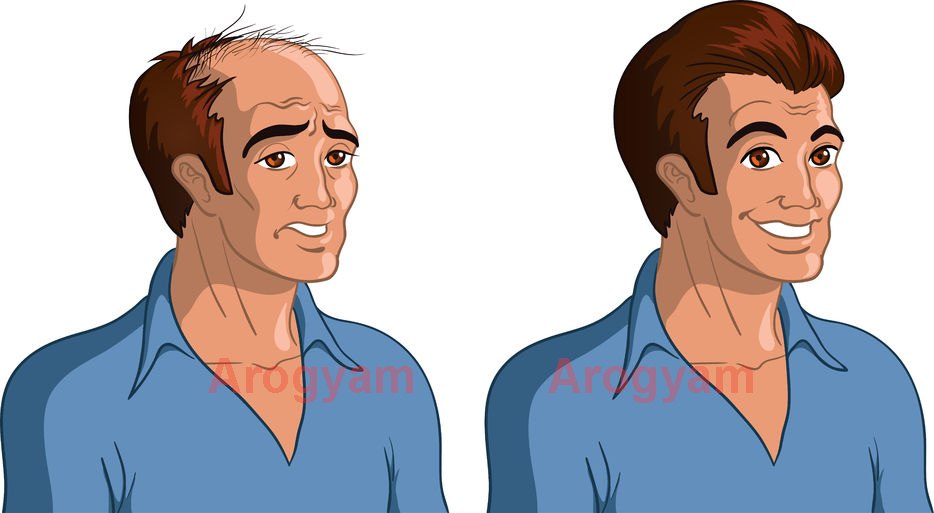
Arogyam Hair Transplant and Cosmetic Surgery Clinic
Arogyam Hair & Cosmetic Clinic, Guwahati, Assam 8811077011, 7637089211 guwahatihairtransplant@gmail.com

Category: Hair Transplant

  • Pain in Hair Transplant

    Pain in Hair Transplant

    No surgical procedure can claim to be comfortable.

    But it must be said that pain is not an important factor at all in hair transplant. Although patients are very worried about pain before the procedure, they will find that the pain during and after the procedure was not at all difficult to get through and all their worry was misguided.

    hair transplant in Guwahati

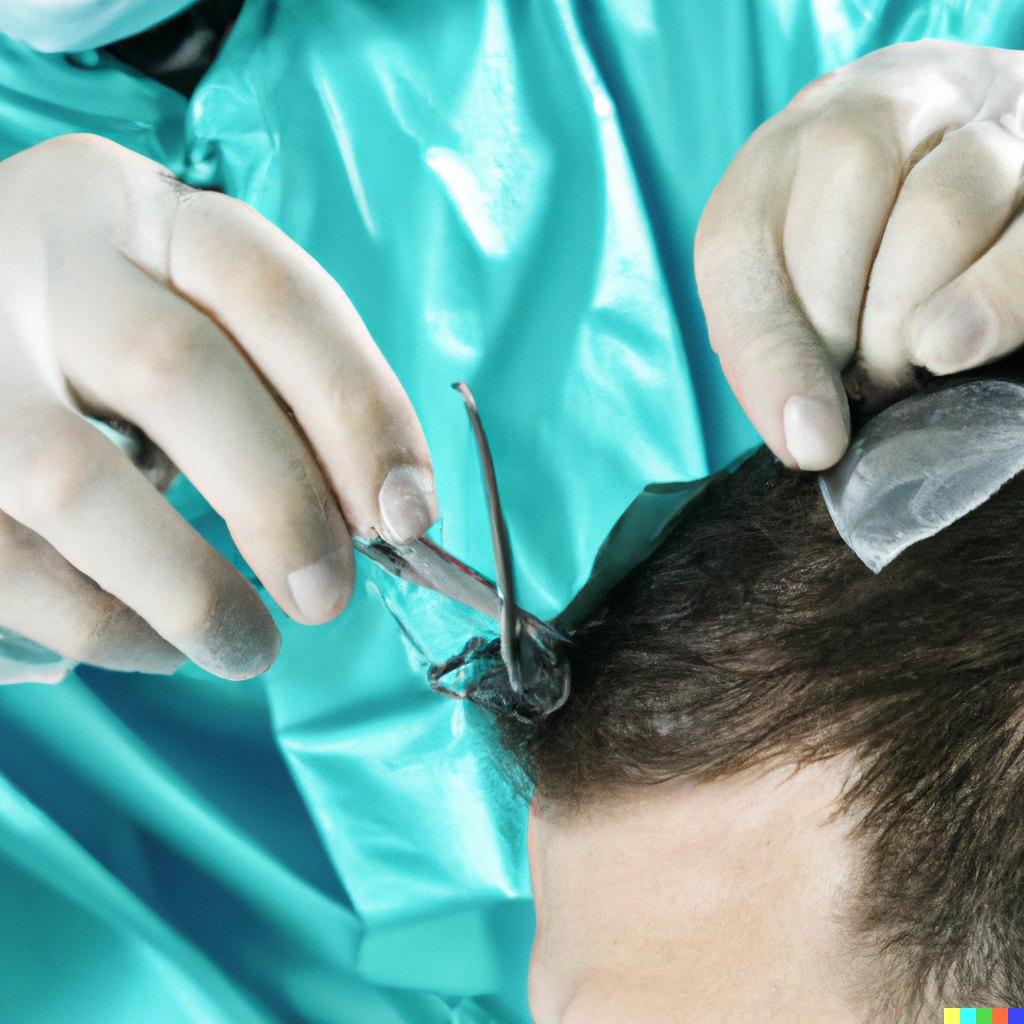
    Hair transplant is done under Local Anesthesia. This means that the patient remains conscious during the procedure and pain is controlled with local anesthetic injections only.

    Prior to starting the procedure, both before graft taking and before planting, multiple injections of the local anesthetic have to be given in the area. In DHTC (Downtown Hair Transplant Center), the injections are given with a microscopic needle which makes the pain during the injections easily bearable, though a slight bite like a mosquito prick, is felt. Once the injections have been given, the area is anesthesized and the patient feels no more pain for the rest of the procedure.

    Postoperatively, pain during the postoperative period is muc less in the FUE procedure specially. In fact this is one of the important advantages of FUE. Analgesic tablets do have to be taken for about three days postoperatively since some amount of postoperative pain is natural. NSAID painkillers are sufficient to control the pain completely and the patient usually finds that he can stop the painkillers after about three days or so.

    The earlier strip method has much more pain postoperatively. This is because a strip of skin is removed leaving a scar and there is also a long stitch across the scalp. This causes a lot of pain. There is also pain during sleeping at night when the patient sleeps on his back and the patient will find his sleep broken with pain for several days. In fact pain when sleeping on the back of the head can last for months till the wound heals completely. Sometimes nerves are cut during removal of the strip and this can cause neuropathic pain which can last for years. All these factors for pain are not present in the FUE method.

    Overall, pain is not an important factor in this procedure.

  • Causes of Hair Loss

    Causes of Hair Loss

    The main cause of hair loss is Male Pattern Baldness, or Androgenetic alopecia

    hair transplant in Guwahati

    This is a condition which occurs in males only. It can occur at any age from 20 years to old age.

    The exact cause of male pattern baldness is not known. What is known is that it is linked to genetics and also to testosterone levels. There is undoubtedly a genetic component to male baldness – it was previously thought that this was inherited mainly from the mother’s side but it is now known that the genes for baldness can be inherited from either mother’s or father’s side. It is also known that it is linked to testosterone since anti-testosterone drugs can cause remission of baldness. But how exactly it is linked is not known, since there is no known difference in testosterone levels between those who are balding and those who are not.

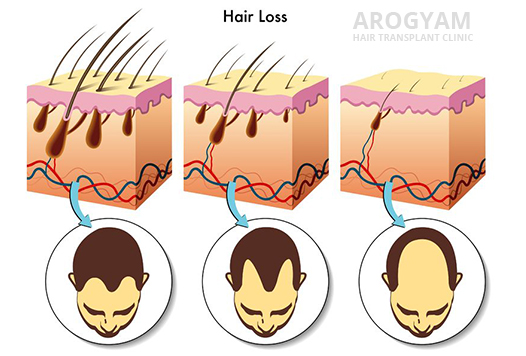
    Balding begins typically be receding of the hairline. Initially the hairline recedes in the temporal region, making an M-shaped pattern.

    Gradually the middle portion is also lost, forming an inverted-U pattern. Besides this, there is also loss of hair at the crown. In some people crown loss may be the dominant or sole pattern, while others may have only frontal loss without loss at the crown.

    The hair does not actually fall out in MPB. Balding persons often have great anxiety when they see hairs on the floor of the shower or hairs on the pillow and tend to develop a habit of checking closely for any signs of hair loss, but in fact such hair loss is not related to their balding. In MPB or male pattern baldness, the follicle or the root of the hair gradually becomes smaller and thinner, and the hair also becomes finer and shorter. Thus gradually more and more scalp becomes visible in the balding areas. There is no loss of hair, instead there is loss of quality of the hair as it becomes thinner and shorter. The person gradually finds that he does not have to cut his hair in the balding regions. Even on the completely bald areas of the scalp in a severely bald person, if looked at with a magnifying glass, it will be seen that there are still some hairs, but they are very fine and almost invisible to the naked eye, and they are also very short.

    Females also develop baldness, but it is much less common than males. In females though the balding pattern is different. Females have diffuse decrease of hair all over the head instead of in a specific pattern. This is called Female pattern baldness. Female pattern baldness is also genetic, but not directly related to hormones.

    Besides androgenetic baldness or male pattern baldness, there are also other causes of hair loss:

    Telogen Effluvium: This is caused by any trauma or stress – such as an acute period of mental stress, acute illness like infections or high fever, major surgery, etc. This causes hair to go into the resting phase. This causes sudden loss of large amounts of hair about one to three months after the event. It is this that causes sudden increase of hair on the pillow or in the shower.

    Medications: Several medications like those for high BP, diabetes, heart disease or cholesterol can cause hair loss.

    Iron metabolism: Deficiencies in iron metabolism can also cause hair loss. Even if there is no anemia as such, problems in iron metabolism can still lead to hair loss.

    High Cholesterol: High cholesterol is an important cause of hair loss. It leads to decreased blood supply and this causes thinning of hair in the scalp.

    Hyothyroidism: Low thyroid hormones also cause fall of hair.

    Diabetes: Diabetes can also cause loss of hair because of decreased blood supply to the hair roots.

    Nutritional deficiency: Nutritional deficiency, specially of Zinc, Biotin and proteins are known to cause hair loss.

    Alopecia areata: this is an autoimmune condition which causes loss of hair in a small confined region, typically a small circle which has no hair at all. The exact cause of this is not known.

    Alopecia totalis and Alopecia Universalis: this is a condition when Alopecia areata extends further to cause total hair loss of the scalp (alopecia totalis) and even total hair loss throughout the body including eyebrows, armpits, etc. Pubic hair is conserved till the last in Alopecia universalis. This is a further aggravation of the same autoimmune condition which causes alopecia areata.

    Scarring Alopecia: Various skin disorders like lupus discoid, scleroderma, etc can cause hair loss but this type of hair loss is accompanied by scarring.

    All these other causes can lead to hair loss, besides male pattern baldness. More importantly, they can be combined with male pattern baldness and lead to further loss of hair. Hence all this causes must be considered in dealing with a hair loss patient.

  • Mesotherapy for Hair Growth: Does It Work?

    Mesotherapy for Hair Growth: Does It Work?

    Mesotherapy for hair growth

    Mesotherapy is a technique that is being widely advertised nowadays as a solution to male pattern baldness. But does it really work? Where is the proof? These and other questions must trouble the mind of any person who wants to try this therapy.

    Mesotherapy was started by a Frenchman, Michael Pistor, in 1948. It consists of injections of a mix of substances into the mesoderm, the layer of fat cells under the skin. This was believed to help in reduction of fat bulges and also of cellulite. The exact mechanism was never explained scientifically.

    From its initial use in fat reduction, mesotherapy soon came to be used for all sorts of cosmetic procedures. It began to be used for age related changes, skin marks, wrinkles, etc. Now it is being advertised for use in regrowth of hair also in baldness. A cocktail of different substances like natural plant extracts, homoeopathic agents, vasodilators, finasteride and minoxidil and vitamins are used, but no center will disclose what exactly it uses. None of these substances have been shown to work in the mesoderm.

    But it should be remembered that this has no scientific basis whatsoever.. No one has yet been able to give scientific proof that it works. All that we have are anecdotes related by the centers themselves and photographs which seem decidedly dubious. No such claim has been able to stand the test of scrutiny. There is no way to tell whether the photographs shown in such advertisements are genuine.

    There are no scientific studies at all into mesotherapy. If indeed it worked, then there should have been a lot of research into its effects and how exactly it works. At present for example, there is a great deal of research going on into use of stem cells for regrowth of hair. Large amounts of money are being spent on research and several scientific studies have been made into each stage of this process. Even then as yet no claims have been made for success in use of stem cells for hair growth. If mesotherapy was indeed successful, scientists and companies would not have spent money and time trying to find a method for hair growth and instead concentrated on mesotherapy. Practitioners of mesotherapy make astounding claims of its success without spending a single paisa on research or studies.

    There are only two scientific studies on the use of mesotherapy for hair growth and both show total failure – one study shows that mesotherapy in fact led to hair loss, and the other study documented a case where there were multiple abscesses in the scalp after mesotherapy. No good news for mesotherapy here!!

    Mesotherapy centers are still able to get patients on the basis of their flashy advertisements which feed on people’s hopes that they might find an easy cure. Users have to go back disappointed after wasting their money on weeks of treatment. At the end they are so tired and frustrated they simply ignore their losses without a protest. If somebody had sold them a tv that worked as badly they would be back at once demanding their money back and also ready to argue strongly with the salesman for cheating them, but in case of their bodies people are far more forgiving it seems!!

    Read up these two links which are the only known scientific studies on mesotherapy and hair growth:

    Alopecia secondary to Mesotherapy

    Multifocal scalp abscess

  • Basics of Hair Transplant

    Basics of Hair Transplant

    Hair transplant is a procedure used to treat areas of hair loss by transplanting hair from one site of the body to another.

    It is primarily used in male pattern baldness, but is also used in female pattern baldness, loss of hair due to trauma, burns, surgical incisions, etc.

    Male pattern baldness forms the bulk of the cases, upto 95%. Balding persons of all ages can get hair transplant done. Age range of hair transplant done in Arogyam Hair Transplant clinic ranges from 14 years (a young girl with burn injury of the scalp) to a 72 year old male.

    Hair transplant is a cosmetic procedure. It is a purely elective procedure and personal aspirations of the patient are the main driving force for having this operation. Benefits from this procedure can be immense. Baldness can affect both social and professional life of the people who suffer from it, and people who are sensitive to it can become very self conscious about this and are unable to interact confidently with other persons. A hair transplant can be life changing in these situations.

    Male pattern baldness or Androgenetic alopecia is controlled genetically. The hair follicles are genetically programmed to stop producing hair at a certain age which is determined by hereditary factors. These genes are activated by the effect of testosterone. Hair loss is graded according to the Norwood scale and graded from 1 to 7.During the balding process, the hair does not fall off directly, instead the hairs start getting thinner and shorter and do not reach their full length. In this way the density of hair covering the scalp is decreased. Hairs which fall off and are seen on the pillow and during showers are not due to balding.

    History

    The first recorded cases of hair transplant began in the early nineteenth century when some surgeons transplanted scalp flaps and free grafts to bald areas. Hair transplant was also done in Japan around 1930 when hair was transplanted to replace damaged eyebrows. Modern era of hair transplant began in late 1950’s when Dr. N. Orentreich transplanted free donor grafts to bald areas. He demonstrated that hair longevity was ‘donor dominant’, that is, the lifetime of a hair was determined by the site in which it grew originally and not the site to which it was transplanted. Dr. P. Walter defined the ‘Safe Donor Zone’ which contained hair with the maximum lifetime longevity.

    Surgeons continued to develop techniques to transplant smaller and smaller grafts. Initially punch grafts were taken, but this gave an unnatural appearance to the new hair. In 1990, Limmer developed the technique of using microscopes to dissect follicular hair units from strips. Since then, the follicular unit has become the gold standard for transplantation. In 2002, FUE with extraction of single follicular units was developed. Initially manual punches were used but since 2004, motorized drills have come to be used in FUE and this is a very advanced technique at present.

    Methods:

    hair transplant in Guwahati

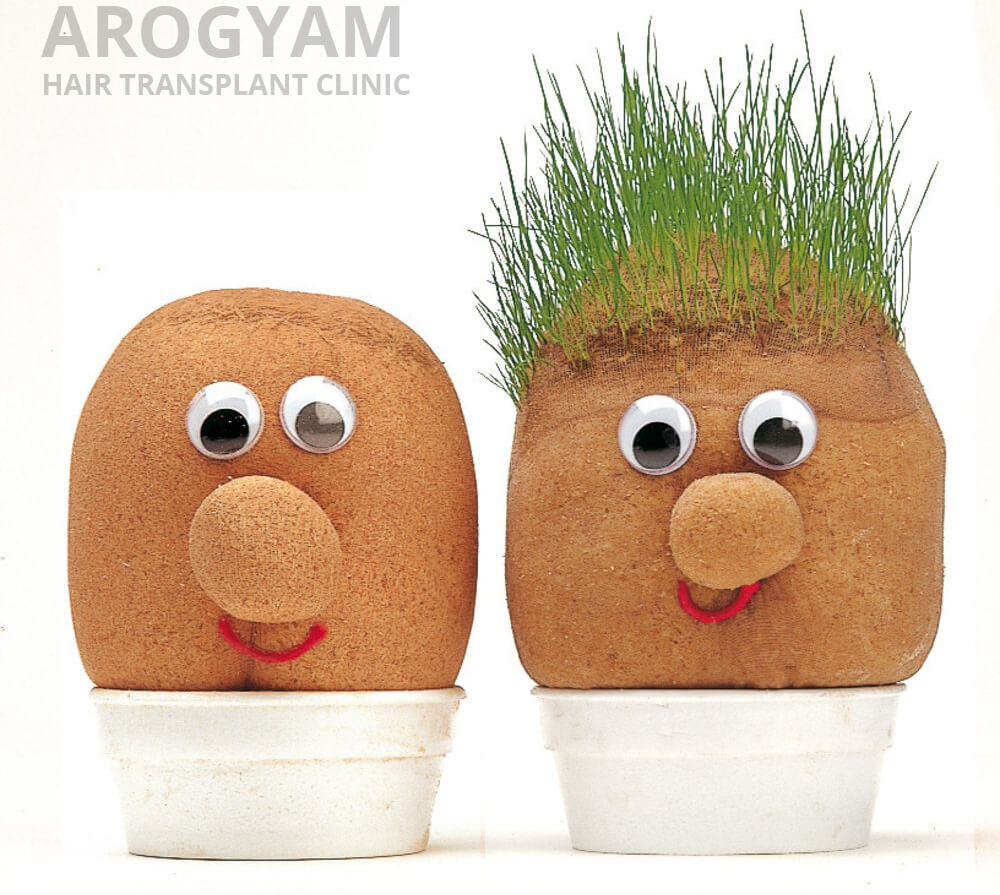
    The concept of ‘Safe Donor Zone’ is the basis of hair transplant. It will be noticed that even in the most bald and elderly person, hair is still retained in the sides and back of the head. These are the areas in which hair is genetically programmed to last throughout life. This forms the catchment area for hair transplant. Hair is taken from this area and then transplanted to the bald areas. Hair is basically like a plant and the skin is like the soil. When a hair is taken out with its root from any area of the body and planted in the skin in a different part of the body, the hair will continue to grow in that area just like a plant which is removed from one field and planted in another.The transplanted hair lasts lifelong and this is what makes hair transplant so valuable.

    Hair transplant is done by two main methods, FUT and FUE. They differ only in the way hair is extracted, the plantation is done in the same way.

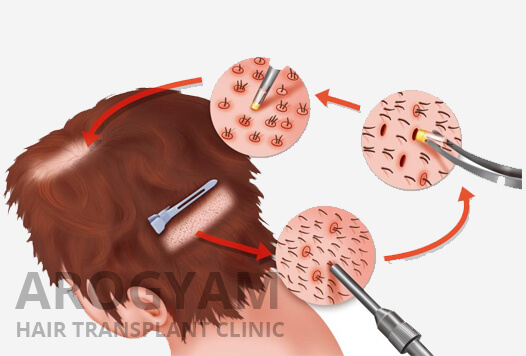
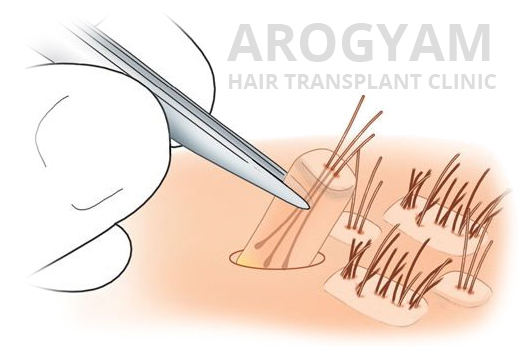
    In FUT or Follicular Unit Transplantation or Strip Method, a strip of skin 1 cm wide is cut out from the occipital and temporal regions. Technicians then splice this strip into individual hair follicles. These follicles are then transplanted into the bald areas in the second stage.

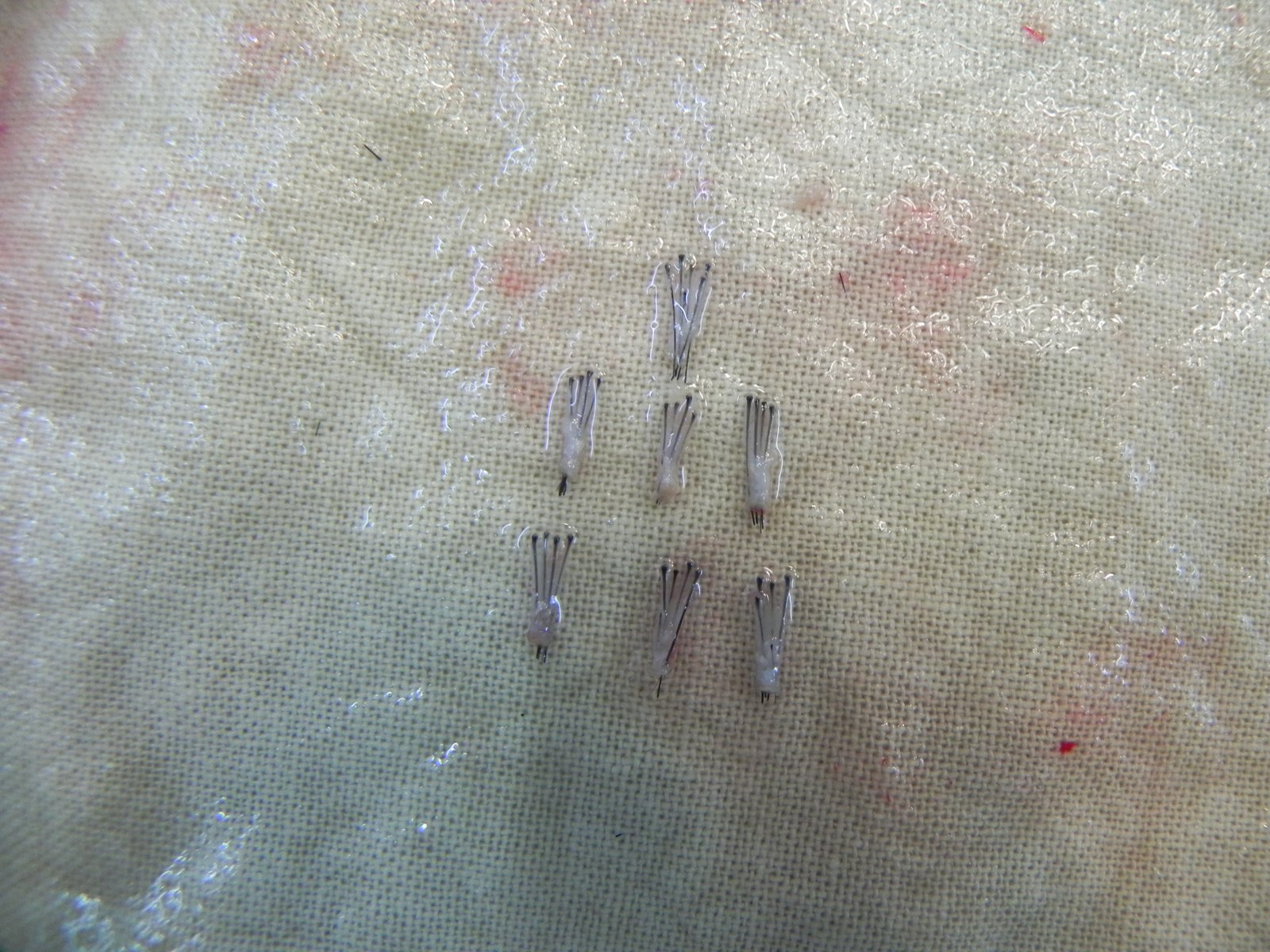
    In FUE, in the modern method, a drill of 1 mm size or smaller is used to carefully remove each individual hair follicle containing 1 to 4 hairs. Small round holes are left behind which form only minimal tiny round scars.. 1 out of 4 hair follicles are drilled out and the resulting slightly lower hair density is not noticeable at the donor site. The plantation method is the same.

    The basic method of plantation is to create a small incision and then insert the hair follicle into it. The incision can be made with a small scalpel or a needle. Recently, customized transplanters like Choi implanters have been developed which makes the procedure faster and easier. Plantation is usually done by assistants.

    Both the methods are done under Local Anesthesia. The patient remains fully conscious and injections are given in the skin to make the skin numb so that there is no pain during the procedure. FUE has the big advantage that it is much less painful postoperatively and it does not leave behind a scar.In FUT, the patient has a stitch at the back of the head which can cause discomfort for months even after the incision is healed, besides the scar. Maximum of 2000 grafts are done in a day. Usually a session on a single day will last about 6 hours but large sessions will last 8-9 hours. Breaks for lunch, toilet breaks, etc can be taken at any time without any problems. The patient can go home after the session and come again next day for the second session if needed. Typically FUE is more expensive than FUT because the surgeon has to spend more time.

    Pre- operative

    Before the procedure, the patient has to be assessed psychologically. His needs are to be understood and the possibilities and limitations of the procedure explained. The patient needs to be explained that he should not expect a miracle like a complete return to his original hair pattern but only camouflaging by obtaining a natural hair line and increased hair density is to be expected. The amount of hair to be transplanted is decided based on factors like the amount of hair loss, costs, the expectations of the patient etc. Patients can go for a small transplant initially and then come back for further implants after 3 years or so as more of the original hair is lost.

    For plantation, the surgeon has to decide the look of the hairline and then draw it out. The amount of hair planned to be transplanted, the age of the patient, the possibility of further loss of original hair, natural look, the density of hair planned, etc are all factors which need to be considered. Drawing of the hairline is more an art than science.

    Results

    After the procedure is completed, the patient has a bandage at the back of the head but the transplanted area is kept free. Minimal precautions like avoiding rubbing the transplanted hair, etc are advised. Patient can wear a cap to cover the transplanted area from the next day. Shampooing of hair is advised after 4-7 days or earlier to wash out scabs.

    Final results in hair transplant will take 6 to 9 months to show. After the transplant the hair will initially appear to be growing very nicely after 10 to 20 days. After that about half the hairs will fall. Only the outer portion of the hairs fall and the roots remain inside. This occurs because some of the hairs go into the telogen phase. At the end of one month about half the hairs will be growing and so only half the desired density will be visible. There will be no change for the next three months and it is common for patients to become anxious or depressed in this period. The roots of the hairs which have fallen off will start growing hairs again by the fourth month and the new hairs will start appearing. Almost all the fallen hairs will have appeared by 6 to 9 months and that is why full results should be expected only by 9 months. However, even after 9 months, for upto 1 and a half year, a few hairs will continue appearing and the existing hairs will also grow thicker and darker, and hence results will continue to improve till 1 and a half year.

    Using FUE, surgeons are now able to use body hair also from the chest, back, arms and legs. Body hair is long-lasting but remains shorter in length. Using such hair, transplants upto 10,000 hairs have been done. But this is only for the very concerned patient who wants high density; for the average patient transplants of 1000 to 2000 hairs are usually satisfactory. This can be done in multiple sessions also over the years.

    Conclusion

    Hair transplant along with all other cosmetic procedures is growing in popularity in the present times. As people have more luxury and time to spare, no one wants to be left behind in the race for success and happiness. About 100,000 hair transplants were done in the US and about 280,000 worldwide in 2010. It is growing very fast in Asia since the last three years, and India also is showing a rapid growth. Not just male baldness but female hair loss and procedures for eyebrow and eyelash transplantation are also becoming increasingly popular. As with all cosmetic procedures it is a personal choice. For those who feel their baldness is a limitation, hair transplant has emerged as a safe and effective procedure with minimal side effects or drawbacks.

    Arogyam Hair Transplant clinic has now been started in Downtown hospital to bring the advantages of this procedure to the people of the North-East. The latest FUE technique by motorized drill is used in the center. The aim is to provide the latest technology at an affordable cost and thereby benefit the people of this region. More than 500 patients have been operated till 2017 and many thousands more have been treated medically. The latest techniques and fully surgical safety is ensured to provide a good and safe results to the patient at a standardized cost.

  • Facial Hair Transplant: Beard and Moustache

    Facial Hair Transplant: Beard and Moustache

    Facial Hair Transplant – Beard and Moustache Implant

    Facial Hair transplant which includes Beard and Moustache Transplant is the second most frequent site for hair transplant, next to the scalp.

    Beard and moustacheis considered a sign of masculinity, and present fashion trends also emphasize styling of beards. Hence men with deficient beards can often feel deprived and ask for beard transplant.

    Beards and moustache start developing at puberty, and by 20 years of age most boys will have a full adult beard and moustache. However this can be variable and many young men will continue developing their beard and moustache for another 2 or 3 years. Hence it is advisable to wait till the age of 23 before considering beard and moustache transplant.

    Beard transplant is a very safe and successful procedure. The basics of the procedure are same. Hair is taken from the person’s safe zone at the back of the head, and then transplanted to the beard and moustache area just as in a normal scalp transplant. Success rate in the face is very high because of the rich blood supply of the face.

    Facial Hair Transplant: Beard and Moustache

    Beards can vary highly among different individuals. Hence what the patient wishes for his transplant is the main determining factor of the transplant. Most persons require a moderate beard along the lower edge of the chin and a thicker ‘French Beard’ style in the center around the lips. This will require about 1500 grafts and will cost Rs 64000 total. Occasionally, people may ask for a full beard extending to half of the cheeks which can require upto 3000 grafts. This is done in two sessions to give full density.

    Full moustaches can also be created quite easily. Moustache transplant alone does not require too many grafts, a full moustache will usually require 800 to 1000 grafts depending on how much pre existing hairs are present.

    Beard transplant has a disadvantage in that the post operative swelling and scabs are more easily visible. In the scalp this can be covered easily with a cap, but in this area it is more difficult to cover and patients will usually need to take leave for about 10 days after the procedure to avoid any awkward situation.

  • Direct Hair Implantation (DHI)

    Direct Hair Implantation (DHI)

    Direct Hair Implantation is a much advertised technique nowadays and publicity material from the companies which use this technique suggest that it is a completely novel method with a higher success rate.

    But actually direct hair implantation is not a different technique from FUE but only a modified form of FUE. In this technique as explained by the companies, all other steps are the same as the normal straightforward FUE and it only differs in one small step of the FUE process.

    hair transplant in Guwahati

    In the normal FUE technique which has been invented and refined by world renowned experts throughout the globe, the graft after being cut by the drill punch, is extracted by the assistant and placed in an isotonic solution, and then planted by the assistant. In direct hair implantation, the only difference in this step is that the graft is not removed from the scalp and allowed to remain in it, and the assistant plants it from the scalp itself.

    Although companies doing direct hair implantation claim that this method improves results, there is no evidence for this at all. It is nothing more than an advertising gimiick. Once the graft is cut by the drill, it loses its blood supply and so there is no difference whether it is kept in a scalp or kept in a tray. The cells still survive for a long period when kept in an isotonic solution, and so the only requirement is that it should be kept in an isotonic solution. There is no scientific evidence whatsoever that keeping the grafts in the scalp improves results in any way.

    Direct hair implantation is done only by 1 or 2 companies in the world. Except for these 1 or 2 companies, the vast number of world leading experts and masters of this technique throughout the world do the straightforward FUE as it is more convenient and efficient. The companies which do this use it as a clever marketing strategy to sell it as something novel and different so that they can then make wild claims for this and fool patients. If there was really any evidence that the direct hair implantation method worked better, all FUE surgeons throughout the world would have used this method instead of the straightforward FUE as there is very little difference in the technique and nothing much to be learnt. But world leading experts throught the globe do not want to waste their time on a technique for which there is no supporting evidence at all.

    All the information found about Direct Hair Implantation on the web comes from the companies which are doing this technique, and so naturally they write a lot of praise about it and sing its uniqueness. Independent information and reviews of this technique are not available as the vast majority of experts and world leaders in the field of hair implantation are not interested in what seems only like a gimmick, and so there are no scientific studies or balanced information about this technique from independent reviewers.

    Companies doing this process also use other marketing tools and make various claims about planting with implanters, extracting upto 6000 hairs in a day, more natural hairline, etc. When examined closely, these claims are seen to be nothing more than hype.

    Such companies claim that FUE cannot extract more than 2000 hairs in a day while direct hair implantation can extract 6000 hairs in a day. Here attention should be paid to the fact that the term ‘hair’ is used and not grafts. It is true that in general an accredited FUE surgeon does not extract more than 2000 grafts in a day, but here we are talking about grafts not hairs. 2000 grafts means 5000 to 6000 hairs anyway! So this is another instance of cleverly fooling the patient by confusing him with terms. At Arogyam Hair Transplant Clinic we regularly extract 2000 grafts in a day which means 5000-6000 hairs in a day. Read herehere to know more about the difference between hairs and grafts.

    Claims like a more natural hairline, etc are also nothing more than self praise as the methods of drawing hairlines, etc are the same for all FUE and is related to the experience and knowledge of the doctor, and the technique used for hair extraction plays no part in this. An experienced doctor who has done hundreds of cases himself is always going to be better than the temporary doctors employed by a clinic chain. Also FUE does not require complete shaving also but only trimming, which is another claim by such clinics.

    Planting with implanters is nothing unique as more and more hair transplant specialists throughout the globe are using implanters for planting. Implanters were first introduced in Korea by Choi and have been steadily gaining in popularity since then. This is not because of superior results but because it is faster, and the learning curve for the assistant is much less. Arogyam Hair Transplant has been using implanters for planting since the beginning of the clinic and we use Choi type implanters in all our cases.

    Use of marketing terms like ‘total patient care system’ which actually mean nothing should be suspect. Instead of giving straightforward information, such terms are used to confuse and attract patients. Potential customers should be careful not to fall for bombastic comments and instead try to find out what actually is being done. Any technique which is based on self advertisement and not on scientific evidence should not be trusted.

  • Artificial Fibres in Hair Transplant

    Artificial Fibres in Hair Transplant

    Artificial hair fibre implantation is one of the earliest methods of hair restoration. As hair restoration surgery became a widely practiced cosmetic procedure, many companies and hair restoration surgeons around the world experimented with different types of artificial fibers which could give the appearance of hair. Natural hair from other persons were also tried.

    hair transplant in Guwahati

    However, artificial fiber very soon fell into disrepute. Hair from other persons gave rise to serious host vs graft reactions and were rejected by the scalp immediately. It was found that artificial fibers also gave rise to a similar reaction and were rejected by the scalp which ejected them leaving behind scars and granulomatous tissue. There were also severe infections leaving the patient worse off than before with a cosmetically scarred scalp.

    This led to the FDA banning artificial fibers for hair transplant in 1984 and artificial fibers are banned till today in the US and Canada.

    However, since then, there has been a lot of advance in the material of the fibers. While the early fibers used polyacrylic material, the present fibers use polyamide and this has a big advantage over the earlier ones in that it is much less allergenic.

    However the procedure of artificial fibre implant continues to have a number of problems as a result of which it has never become popular and its use is very restricted. There are two main fibres being used today around the world, Biofibre and Nido.

    Biofibre is made in Italy and it is the most widely used among artificial fibres.

    It is licensed in most European countries and many other countries around the world and has applied for FDA approval in the US though this approval has not yet been granted. Nido is used mainly in Japan. Both these fibres are available in India and there is no restriction in the use of artificial fibres in India.

    The fibres are available in varying lengths upto 15 cm and the patient can choose the length of hair he wants. There are also three different textures of straight, wavy and curly. Diameter is .08mm. The fibres are inserted by a special method with a knot into the galea, the layer just above the bone of the head. Patients do not have to undergo the process of donation and so the procedure is shorter than that of a normal transplant. The fibres of course do not grow in length. Patients can wash and comb their hair but need to be extra careful while doing these activities.

    Despite technological advances in materials, artificial fibres have very limited acceptability throughout the world and this is due to the limitations inherent in the technique.

    The disadvantages of artificial fibre transplant are:

    Temporary: This is the main disadvantage of artificial fibres. The immediate allergic reactions which led to early rejection of the fibres has now been mostly eliminated and only about 1% of people suffer allergic reactions. But the fibres continue to have foreign body reactions and are gradually expelled by the body. About 30-50% of fibres are ejected in a year after the transplant. This means that by 2 years most people need a repeat transplant. This is the main drawback of the procedure. As artificial fibres are somewhat more expensive than normal hair transplant, this means that the patient has to spend much more if he opts for artificial fibre, besides the hassles of repeated procedures.

    Granulomatous reactions: The fibres continue to evoke a foreign body reaction and this leads to granulomatous tissue formation around the follicles. This leads very commonly to infections and causes folliculitis. Sometimes it can lead to severe infections. Patients have to return to the clinic every month to have their scalp cleaned. The biggest disadvantage from granulomatous reactions is that this can lead to scarring of the scalp which makes it unsightly. Even if the patient is ready to do repeated transplants the scalp condition itself does not permit it after a couple of procedures. Also the scalp becomes unsuitable for normal hair transplant after artificial hairs have been implanted two or three times.

    Besides these two main drawbacks of artificial fibres, there are several other disadvantages of this technique.

    Regular follow-up: regular follow-up is required at the doctor’s to maintain the fibres. Usually monthly checkups are required. This is necessary to keep the scalp clean, remove any granulations, remove any loose fibres, etc. Without regular checkups longevity of the fibres will be greatly reduced.

    Extra care: the patient has to be very careful in maintaining his hair. Extra care is required in combing, washing and drying hair as the fibres might fall with vigorous maneuvers.

    Inability of styling: The patient has to keep the same style of hair chosen initially. The hair cannot be dyed or waved. Patient also cannot shave his head.

    Differences in color, texture and waviness: though many variations are available in color, it is very difficult to get the exact match of color, waviness and texture combined. Hence the artificial fibres are always somewhat different.

    Lack of growth: Since the fibres do not grow in length, this poses difficulties as the rest of the hair will grow and the patient has to be extra careful while getting a hair cut to ensure the barber does not cut the artificial hair.

    Breaking of fibre: the fibres can also break off leaving behind the root in the scalp and this can cause irritation and granulomatous reactions for a long time as these short roots do not come out easily.

    Because of all these attendant disadvantages and hassles, artificial fibre implant has never become popular. It is not in common use and only a few clinics do it throughout the world. In India, to my knowledge it is available in a clinic in Pune but may be available in some other centers also.

    Artificial Fibre Implant does have a specific role and this is in cases of severe balding with insufficient donor area. It is also the only procedure possible in complete alopecia. It may also be considered by patients who desire a very luxuriant crop of hair beyond the limits of their donor area.

    In all other cases, hair transplant with patient’s own hair is undeniably the procedure of choice.

  • Baldness and Its Treatments

    Baldness and Its Treatments

    I am starting to go bald and am under a lot of stress. What can I do about it?

    What are the cures for baldness? How can I reverse my baldness? What remedies and treatments are there for baldness?

    Baldness and Its Treatments

    These are questions that so many males have asked right from ancient times. But finally a scientific solution is there – Hair Transplantation, and a very modern technique of hair transplantation, the FUE method, has been introduced in Guwahati, Assam and the Northeast by Arogyam Hair Transplant Clinic.

    Baldness unfortunately is inevitable for all males. It is written into the male genetic code and accompanies aging.

    But baldness becomes a problem when it is excessive – for example a young man in his twenties or early thirties who has already started balding, or a man in his early forties who has the balding pattern of a 60 year old man. Severe balding at whatever age it occurs is always a cosmetic problem, whether at age 20 or 60, as it leaves a person feeling somehow deficient in his appearance.

    Such excessive balding makes a person look much older than his age. Baldness can affect both social and professional life of the people who suffer from it, and people who are sensitive to it can become very self conscious about this and are unable to interact confidently with other persons.

    Baldness in women is even more debilitating, as women are more sensitive to their looks and hair is the crowning glory of our appearance.

    Various methods have been tried for cure of baldness down the centuries. What are the methods available to reverse baldness? Let us go through them.

    Magic cures: There have been any number of cures tried for this in various countries. Many of the reputed cures are quite absurd and include such things as rat shit, touching the bald part with a young boy’s penis, heat application, cold, vaccum, etc.

    Mesotherapy: mesotherapy is also hardly anything more than a magic attempt. There is no scientific proof at all that it works. Look up here here for an article on mesotherapy.

    Hair oils: Various hair oils have also been tried for this. Many such oils have quite a reputation traditionally in India. These include coconut oil, sesame seed oil, castor oil, etc. But as millions of bald men will testify, none of these work and do nothing to stop baldness.

    Hair styling: Changing the hair style can also be used to cover baldness. The most common style adopted is called the ‘Comb Over’ – it consists of growing the hair long on the side of the head and then combing it sideways to cover the bald areas. It can be very effective in the initial stages of baldness. But with increasing progress, the comb-over begins to look distinctly unnatural and at a later stage, even quite comical. Japanese call it the ‘bar code’ style because the strands of hair across the bald pate look like a bar code. Out of frustration, many men also keep their hair very short, just a few millimeters. This can also be very effective, giving a completely different look to the man without the baldness being noticeable, but of course the person has to be able to carry off this look. Some opt to shave their head completely, and that look too is something that you have to dare to adopt.

    Caps: a cap worn regularly is of course the simplest way to cover baldness. It is effective, but it is not a style which many would want to adopt. Its not a big help to one’s career to be wearing a cap always to office, meetings, social gatherings, etc.

    Hair wig: Wigs are a very old method of covering baldness. Wigs have been used even in ancient Egypt and in cultures throughout the world. With modern technology, wigs have become more sophisticated and various artificial fibers and natural hair are combined to give a nice look. But the problem is that wigs never really look natural when seen at close quarters as happens naturally all the time in work and social encounters. There is always a fear of the wig slipping. Besides that, the main disadvantage is that there is no hairline. So when looked from the front, the slight gap between the wig and the scalp is very glaring and it is next to impossible to carry off a wig without anyone noticing it. The person who wears it is always conscious that it might fall off and whether anyone has noticed that he’s wearing one. Recently however, wigs have been developed which look quite natural. However they need need maintenance and need to be changed frequently so that they continue to look natural. Wigs can be a good option in some cases like low budget or complete loss of hair.

    Hair weaving: Hair weaving consists in adding strands of hair to your own natural hair. There are many different ways in which hair weaving is done. The strands may be natural hair collected from people who sell their hair, or it may be artificial – there are many different types of artificial hair. The hair may also be tagged on by a variety of methods. Clip method is when the strands are attached to bunches of hair with small clips. The hair can also be glued – the less long-lasting method uses soft glue which is comfortable but temporary, hard glue is longer lasting but uncomfortable. Fusion method uses hot glue in which the glue is warmed for a more comfortable but longer lasting effect. A big advantage of hair weaving is that it can be very successful in early stages of baldness. It can be virtually unnoticeable when only a small amount of extra hair is needed. Its big disadvantage is the high maintenance that it requires. Some types of weaving will not allow you to wash or comb your hair. In others this is allowed but special combs and shampoos are needed. And most importantly, regular maintenance visits are a must around 3 weeks in some methods and maximum around 2- 3 months in others. This is because the new hair is attached to the existing hair, and as this hair grows longer, the artificial hair has to be re-attached to the roots again. This maintenance is exceedingly tiresome, and though most people start weaving with full enthusiasm, very few can continue beyond one year. The maintenance costs are also quite steep. In any case, weaving is not helpful in higher grades of baldness where it looks just like a wig.

    There are four scientifically accepted methods for treatment of baldness. – Medicines, LLLT, SMP and Hair Transplant.

    Medicines:There are two main medicines used for baldness, Finesteride and Minoxidil. Finesteride is an anti-testosterone molecule and has been proven scientifically to work in baldness. It needs to be taken daily. Minoxidil also has been shown in scientific studies to help in growth of hair in baldness and needs to be applied twice daily. Look up here for more information on medical treatment of baldness.

    Low Level Laser Therapy:Low Level Laser Therapy uses laser light at red frequency at a low level to stimulate hair growth. This has been found to be effective in some trials conducted scientifically, but its benefits have not been proven conclusively and there is academic controversy as to whether it actually helps or not. According to its supporters, low level laser therapy acts mainly to stimulate hair growth in follicles which have become weak. It will not help in regrowth of hair in areas which suffer from baldness. Thus it is not a cure for baldness but effective in patients suffering from increased hair loss and hair thinning. Look up here for more information on LLLT.

    Scalp Micropigmentation: Scalp micropigmentation is another method which is very effective in hair loss. It does not help regrowth of hair but is essentially a camouflage method, helping to hide the bald areas of the scalp. It is essentially a tattooing process, where multiple small dots are tattooed into the scalp to resemble hair. Look up here for more information on SMP.

    Hair transplantation: And finally, hair transplantation. Hair transplanatation gives effects which are much more superior to any of these. The transplanted hair forms a natural hairline just like the person had before balding, and there is virtually no way in which anyone can tell that it is new hair and not his old, even under close examination. This is because it is the person’s own hair. The color, waviness, texture, etc are therefore just the same. The hair grows long and has to be cut and combed, and there is no need of any special maintenance at all after the initial post operative period. The person regains the same look that he had prior to balding. The main disadvantage is the price – the price is higher. But it is a one time expense and hence works out cheaper than the others where money has to be paid several times and they in fact turn out to be more expensive in the long run. And the main reason why hair transplant is ultimately cheaper is that it is long-lasting and lifelong. The new hair will last the person throughout life. Just imagine, even your friends who have hair now will start to bald around their fifties, but you will still have a nice hairline right till the end, and you will look younger than them till then!

    Read up here for more information on Hair transplantation.

  • The Safe Donor Zone in Hair Transplant

    The Safe Donor Zone in Hair Transplant

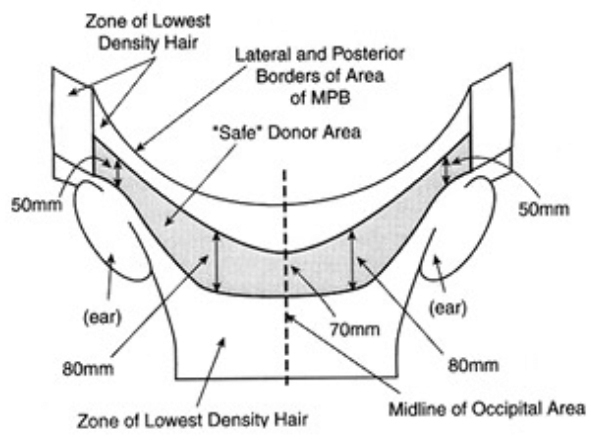
    The ‘safe’ or ‘long-lasting’ zone of hair in the scalp is very important in hair transplant.

    The safe zone is the area on the scalp which retains its hair throughout a person’slife.

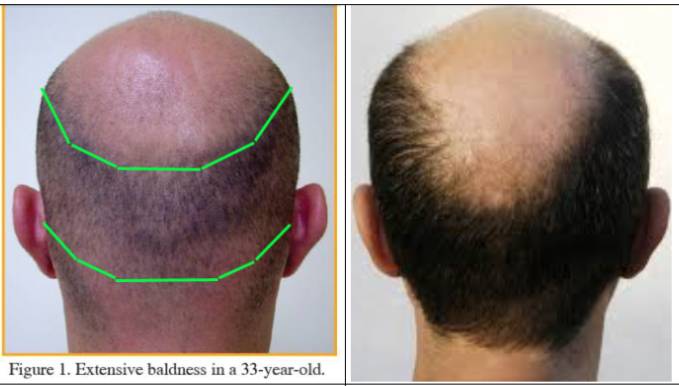
    It will be noticed that even in the long-established person or the most bald person, hair is retained throughout life at the back of the head and over the ears.

    It is this zone of hair that is called the ‘safe’ or ‘long-lasting’ zone. Hair growing in this region is genetically programmed to last throughout life.

    Hair transplant takes advantage of this this natural bounty. In hair transplant, hair is taken from this zone which is called the donor zone, and the hair is then transplanted to the bald areas.

    Since only these long-lasting hairs have been transplanted, the effect is that the transplanted hairs last throughout life. These hairs are genetically programmed to last throughout life and hence will not succumb to baldness – the person will retain these hairs throughout his life no matter what.

    hair transplant in Guwahati External source of pic

    safe zone External source of pic

  • How to Select a Hair Transplant Doctor and Clinic

    How to Select a Hair Transplant Doctor and Clinic

    Criteria for selection of a Hair Transplant Doctor and Clinic
    hair transplant in Guwahati

    Hair transplant is a medical procedure which involves making incisions in the skin, both during extraction and planting. It is hence an operative procedure, and any operative procedure carries with it various risks and complications. Over the years hair transplant has emerged as the most common cosmetic procedure for males. Hence it is now seen as a lucrative business and several unscrupulous and unethical clinics have started offering this to make a quick buck. Clinics which were once homeopathic clinics have added hair transplant as a procedure, and the procedure is even done by homeopaths, although they are in no way qualified to perform this. In other cases procedures are done by technicians or MBBS doctors who are quickly trained for a month and start doing hair transplant.

    In other clinics again, the procedure is done by doctors who fly in from other towns and cities and make some quick money by performing the procedure and then disappearing without a trace, leaving the patient in the lurch. The clinics themselves are totally unsuitable for an operative procedure, and although they may look very attractive from the outside, good interior decoration has nothing to do with a medical procedure which demands good sterilization, adequate instrumentation and emergency backup. To prevent their shortcomings from being discovered, these clinics come up with flashy advertising including unbelievable prices and catchy slogans. In this way they hope to ensnare those looking for the cheapest rates without bothering about quality.

    To ensure that he gets a good deal, the prospective hair transplant patient must be careful not to be taken in by initial figures. Even when the prices offered by a clinic may seem very tempting, the patient can often still get cheated as the final result can be very disappointing. There are some important questions that the customer must ask both to ensure that he gets good results and for his own safety.

    Questions about the doctor

    What are the qualifications that a doctor requires for hair transplant?

    Hair transplantation is a medical procedure. Only a medical doctor is qualified to do this procedure. AHRS India – The Association of Hair Restoration Surgeons of India is the official body of doctors who are qualified to do this procedure. Only MS ENT, MS General Surgery, MD Derma and MCH Plastic Surgery degrees are qualified to do this procedure. Nowadays many procedures are performed by technicians, ayurveds, homeopaths and MBBS doctors, but this is not legally tenable. However, because of the laxity of law enforcement in India such violations of law are still being allowed.

    Is the doctor qualified?

    This is the most important question that the patient can ask of his doctor. The patient must ascertain whether his doctor has the qualifications mentioned above. Only a doctor having any one of the above mentioned degrees is qualified to do a hair transplant.

    Membership of AHRS India is an important verification of the qualification of the doctor. Only qualified doctors are allowed to be members. AHRS India also enforces many rules and regulations which its members have to follow, and so membership of this body automatically ensures that strict ethical and safety procedures will be followed.

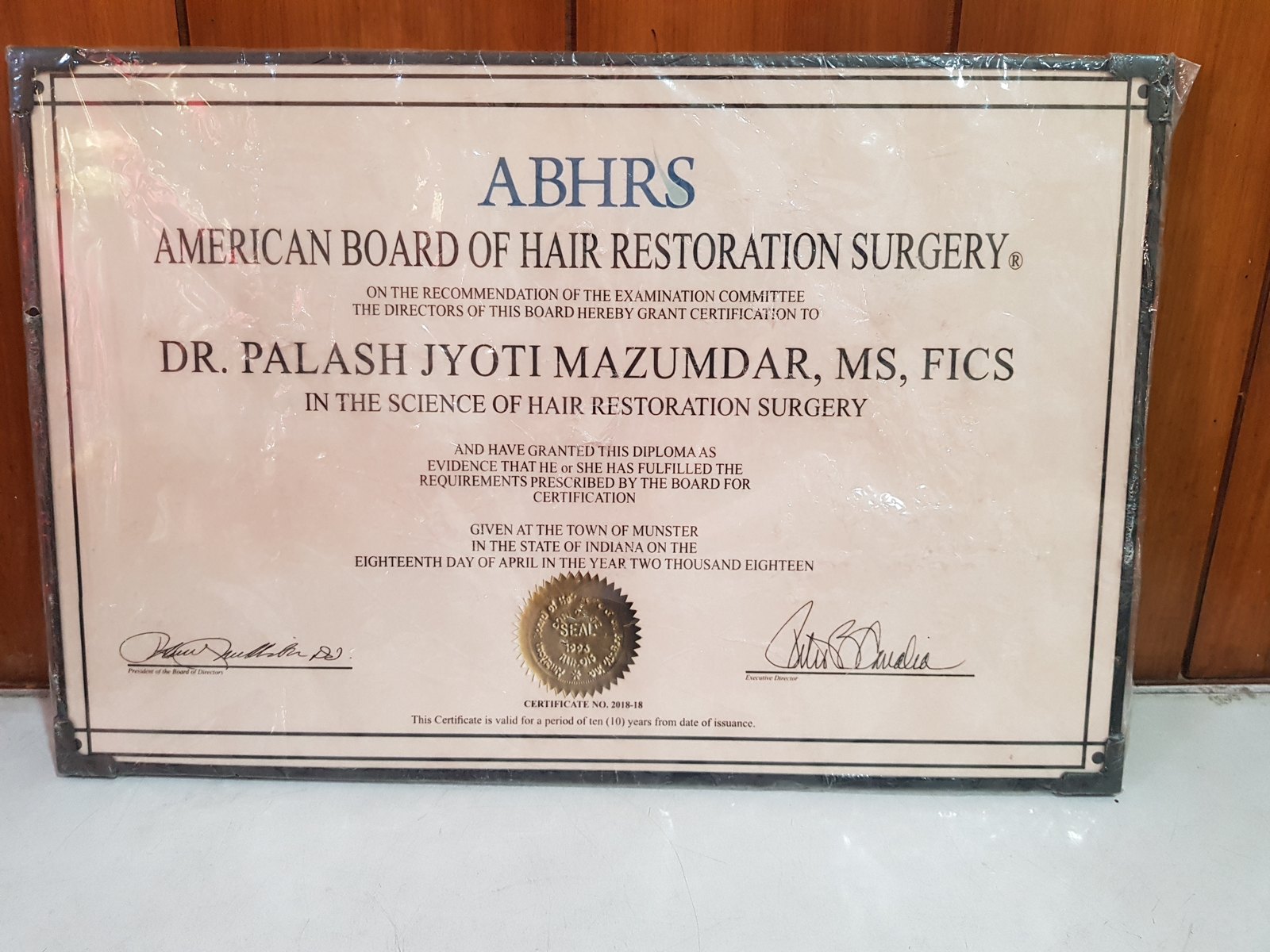
    Dr. P. J. Mazumdar is a member of AHRS India.

    Who will do the procedure? Will the doctor do the FUE part or not?

    This is also an important question to ask. The doctor who gives the initial advise may not be the operating doctor. Often it is a technician or someone else who actually does the procedure. It is important to ensure that a qualified doctor does the actual process of FUE, the extraction of the hairs, and also the slit making, or the making of the holes where the grafts will be inserted. In general, implantation or planting of the hairs, which is not technically demanding, is done by assistants everywhere.

    Is it by a fly-by-night doctor or is the doctor resident?

    This is also an important question. Many clinics, specially local franchisees of business chains, get doctors who come in for a couple of days, do the procedure and then disappear. In case the patient has any problems, he is unable to get to the doctor who has done the procedure. Such fly-by-night doctors are not real experts, they are almost universally doctors who are beginners or who are not successful in their own cities and try to get patients outside. An expert doctor does not have to go looking for patients, patients will come looking for him.

    For a doctor who is already successful, going to another city to do a procedure is not rewarding, the hassles and expenses of travelling are too cumbersome, and he would always prefer to do it in his own city. It is only those unsuccessful doctors who do not have enough patients in their own cities who travel to other cities.

    What are the qualifications that the clinic requires?

    A clinic has to meet certain criteria to do hair transplant. Hair transplant is after all an operative procedure, however minor, and problems like infection can occur if the clinic is not qualified. Simply renting some rooms in any commercial building is not enough to start a clinic. The clinic should have proper sterilization procedures, including disinfection, proper safety procedures and a proper emergency plan in case anything goes wrong. A proper backup with emergency facilities must be present. It is impossible for most clinics to ensure this.

    Is the clinic qualified?

    It is necessary for the patient to ensure that the clinic is properly qualified. The patient should enquire whether proper sterilization procedures are followed. Also he should make sure that the clinic has emergency backup.

    He should also ensure whether the clinic is primarily a homeopathic/ayurvedic clinic or an allopathic (scientific medical system) clinic. Hair transplant is a modern medical treatment and homeopathic or ayurvedic or non-medical centers do not have any authority to perform this. Wherever such centers are doing these treatments, it is being done illegally taking advantage of the laxity of law enforcement in India.

    Arogyam Hair Transplant Clinic is a part of Downtown hospitals, the largest private hospital in the North East and one of the long-established, with a long and well established reputation for excellence in medical care. It is an ISO registered hospital, and strict regulations are a must for all procedures.

    Is the clinic using a good instruments and good practises

    This is something which is difficult to ensure as every clinic will of course say they are doing this whether its true or not. But this is vital to get good results. There are established norms and procedures for hair transplant, but cheaper clinics will try to use short cuts to finish the procedure as fast as possible. They will also typically use second rate instruments which are far cheaper than a good quality.

    Arogyam Hair Transplant Clinic uses a good available instrumentation to ensure quality. This includes:

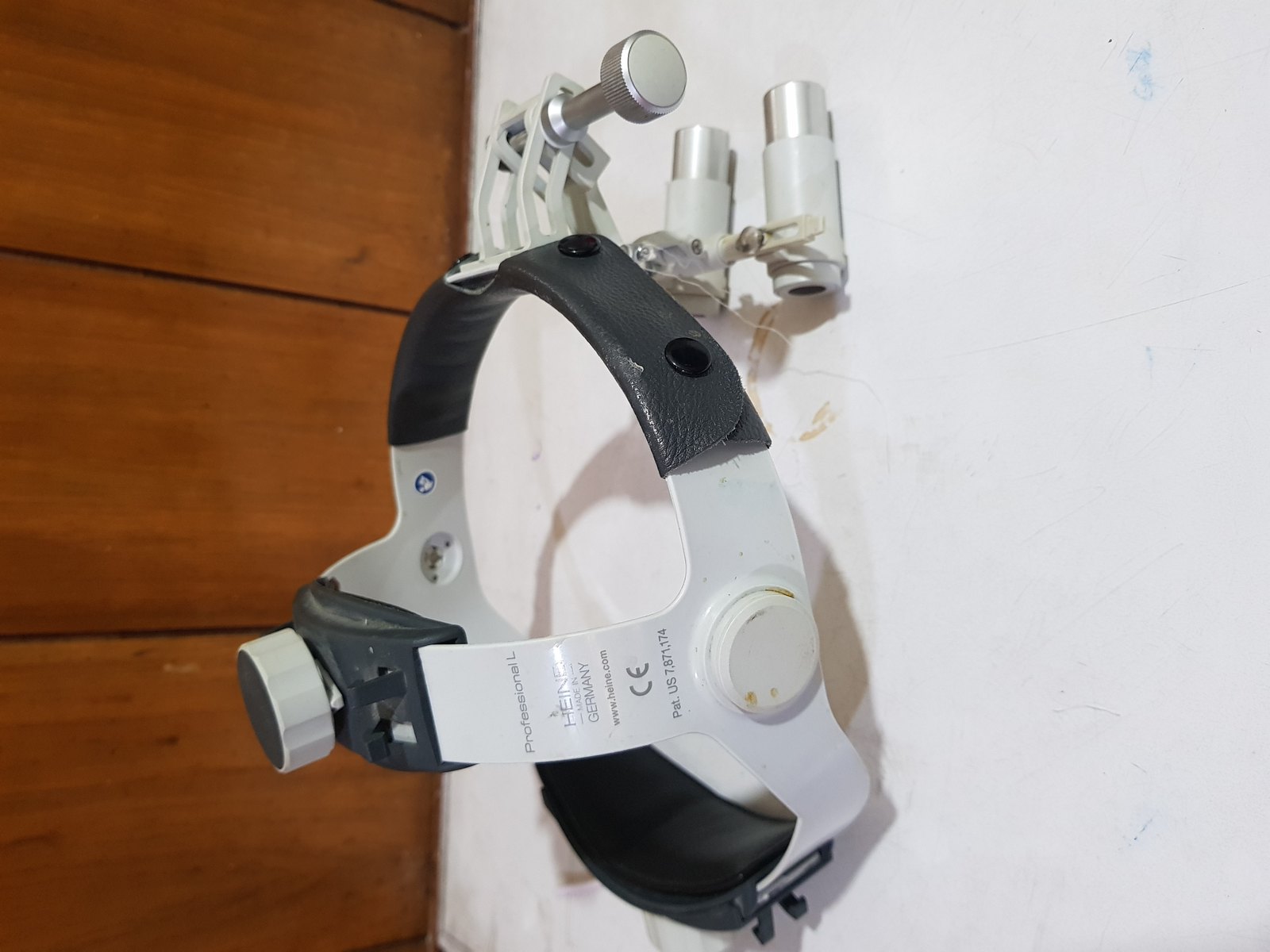
    • 6X Heine Loupe: This ensures that the procedure is done under good vision which provides precision and accuracy at all stages. 6X Loupes are difficult to get acclimatized to and is used in the North East for the first time.
    • Blunt Titanium punches: Arogyam Clinic uses the blunt punch technique for extraction of hair. Most clinics use sharp punches. Blunt punches are difficult to master but they protect against transection and damage to the grafts. Sharp punches are fast but they cause a lot of cuts and damage.
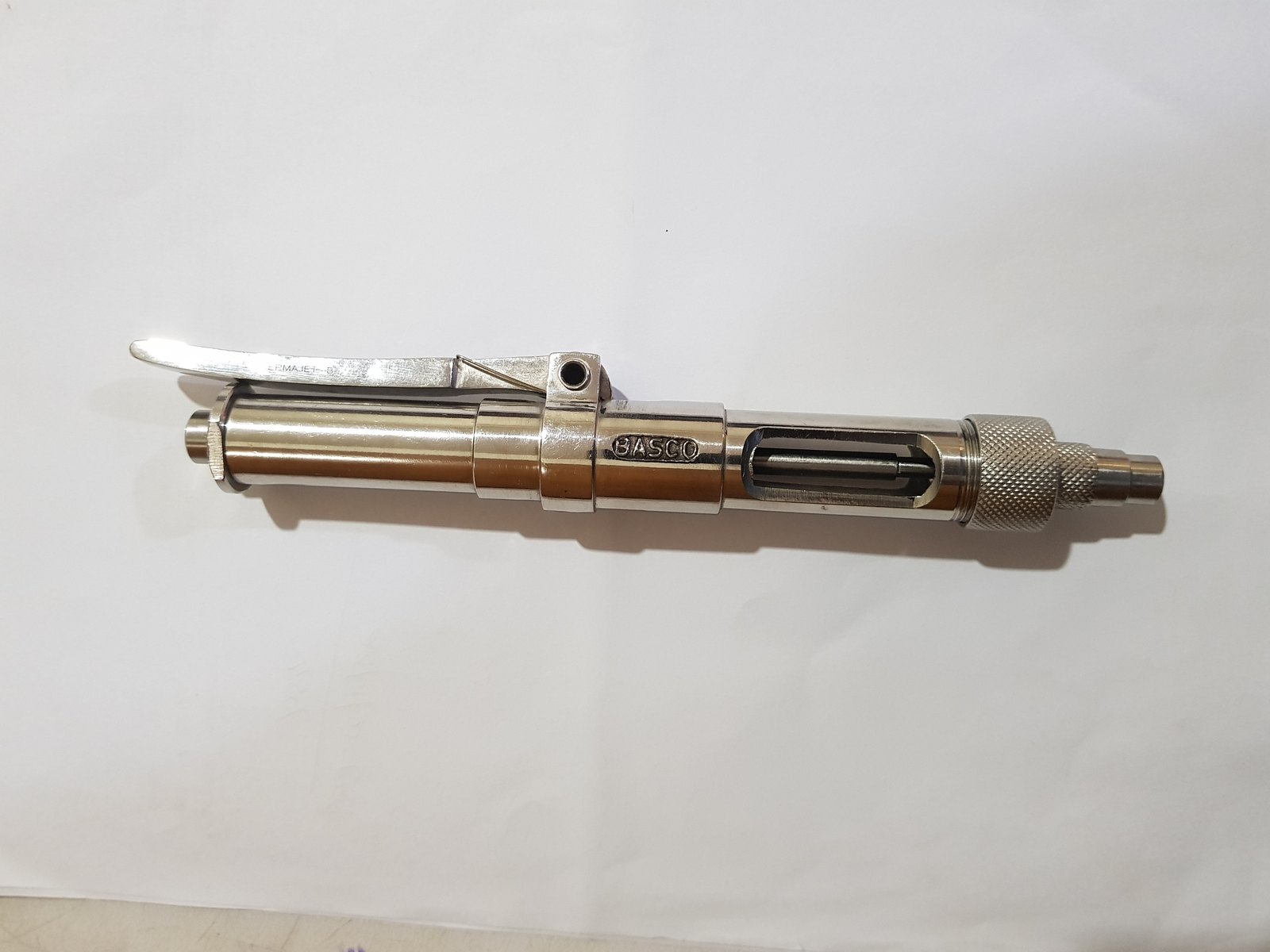
    • Choi implanters: These are special instruments which are used during implantation and which ensures much less handling of the grafts thus enabling superior results. Most clinics use manual implantation.
    • Sterilization, Autoclaving and Fumigation: Arogyam clinic is housed in the main OT complex and this makes sure that a good sterilization and fumigation techniques are used to provide total safety for the procedure.

    How long has the clinic been doing this procedure?

    It is also important to ensure that the clinic has sufficient experience. Many new clinics are coming up throughout India hoping to make some quick money and they often offer very cheap rates only to get some experience and practice in the procedure.

    There are also many clinics which are franchisees of bigger business chains, and even though the business chains may have some experience, the franchisee itself is often totally inexperienced.

    Arogyam Hair Transplant has been doing FUE Hair transplant with motorized punches since 2012, and it is to be noted that this procedure was established internationally only in 2006, and in India from around 2009.

    How reliable are the hair transplant business chains and their franchisees?

    In the last couple of years, a new phenomenon that has developed in India is Hair Transplant Business chains. These chains have opened up new franchises in the smaller towns and cities of the country.

    The biggest drawback of such chains and their franchisees is the quality of treatment. The business centers send out their operators to do the procedure in smaller towns, but these operators are invariably poorly paid and rarely last beyond a couple of years. Hence they are almost all as a rule young boys looking to gain some experience and practice. In most cases they are homeopathic or ayurvedic doctors, or simply OT technicians. Rarely they may be MBBS passouts. But it must be noted that only MS ENT, MD Derma, MS General Surgery and MCH Plastic Surgery are qualified for hair transplant. Such qualifications will never be found among big chains. The interiors and lighting of such chains is also geared to make it look attractive to prospective customers, and in doing so they hardly care for whether proper sterilization can be achieved. It must be noted that a good operation theater cannot be made to look decorative as the theater as a rule must be as bare as possible as decorations can attract dirt. These considerations are not given importance in the clinics as their main aim is to attract customers.

    The big advantage of such chains is that they can do a lot of advertising since their budget is on a large scale. They come up with catchy slogans describing different methods though these are soon discarded and new ones come up very soon. They can also advertise on a big scale in newspapers and radio and offer mind boggling discounts to trap the unsuspecting customer.

    They are able to provide such discounts because their ‘surgeons’ are poorly paid, and they also compromise on quality and count of hair grafts. They will usually do far less than the promised number of grafts, and also plant damaged and cut grafts. Another trick is to calculate the pricing on the number of hairs rather than grafts.

    The main aim of these clinics is to grab as many customers as they can through advertising. They are not overtly concerned about results and do not get repeat customers. But because of their huge advertising and cheap rates, they are able to make a profit.

    In conclusion, choosing a hair transplant clinic has become a risky business. The prospective customer must be careful and rely on logic and common sense before going for the procedure. He must not rely on advertisements and cheap prices. In fact big discounts are often a sign that the clinic is doing some big shortcuts somewhere. Medical procedures are not suitable for discount pricing as quality must be ensured. Those looking for cheap prices without bothering about quality are bound to be disappointed with the results. Qualifications of the doctor and the clinic must be ensured in order that the patient gets a satisfactory result which makes him happy. Hair transplant results after all are going to be always visible on the patient, and a bad transplant can end up disfiguring the patient for life.