Arogyam Hair Transplant and Cosmetic Surgery Clinic
Arogyam Hair & Cosmetic Clinic, Guwahati, Assam 8811077011, 7637089211 guwahatihairtransplant@gmail.com

Category: Hair Transplant

  • Why Hair Transplants Work: Understanding the Science Behind It

    Why Hair Transplants Work: Understanding the Science Behind It

    Why Hair Transplants Work: Understanding the Science Behind It

    Introduction

    Hair loss can deeply affect confidence and self-image. When topical treatments or medications no longer help, many turn to hair transplantation — a long-lasting, scientifically proven solution. This isn’t just cosmetic; it’s a precise medical procedure that combines biology, artistry, and technology. Let’s explore why hair transplants truly work and what makes them so effective.

    1. The Biology of Hair & Hair Loss

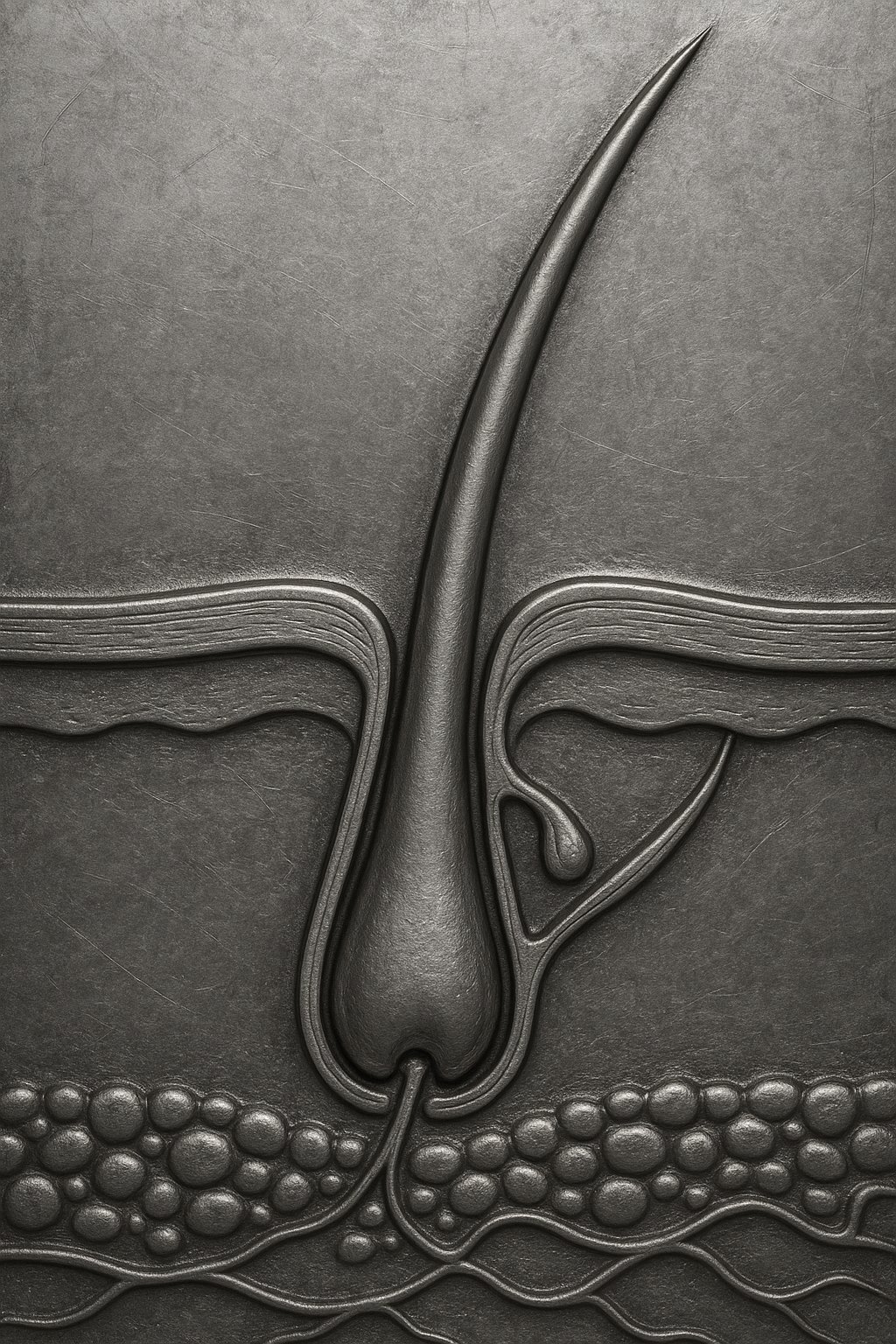
    Each strand of your hair grows from a follicle, a tiny but complex structure beneath your skin. Hair follicles go through natural cycles of growth, rest, and shedding.

    In pattern baldness (androgenetic alopecia), certain follicles become sensitive to a hormone called Dihydrotestosterone (DHT). Over time, these follicles shrink, producing thinner hair until they stop completely.

    However, the hair on the back and sides of your scalp is genetically resistant to DHT, meaning it keeps growing even when other areas thin out. This difference forms the foundation of successful hair transplantation.

    2. What Hair Transplant Actually Does: Redistribution, Not Creation

    A hair transplant doesn’t create new hair — it redistributes existing, healthy follicles to areas where growth has stopped.

    • Follicles from DHT-resistant donor areas (usually the back or sides) are extracted.

    • These are then implanted into bald or thinning regions.

    • Because the transplanted follicles retain their original resistance, they continue to grow naturally in their new spot.

    This concept is known as “donor dominance”, and it’s what makes transplanted hair long-lasting.

    3. Techniques: FUT and FUE

    There are two primary techniques used in modern hair transplantation:

    a) FUT (Follicular Unit Transplantation)

    • A thin strip of scalp is removed from the donor area.

    • Follicles are then separated under a microscope and implanted into bald zones.

    • Ideal for patients who require a large number of grafts.

    • Slightly longer recovery, but excellent graft survival rates.

    b) FUE (Follicular Unit Extraction)

    • Individual hair follicles are extracted using tiny punches (0.8–1.2 mm).

    • Minimally invasive with no visible linear scar.

    • Faster healing and suitable for shorter hairstyles.

    • Popular due to comfort and precision.

    Both techniques aim to achieve natural-looking density and lifelong growth, though FUE has become the preferred method for its minimal downtime.

    ⸻

    4. Why Transplanted Hair Lasts: The Power of Donor Dominance

    The secret lies in genetics.

    When resistant follicles are moved to a new location, they retain their original genetic characteristics — meaning they’re still resistant to DHT. Once implanted, they establish new blood supply and continue their normal hair growth cycle.

    That’s why, once healed, the transplanted hair behaves just like your natural hair — you can cut, color, and style it freely.

    5. What Makes a Hair Transplant Successful

    While science explains how hair transplants work, the success of the procedure depends on several crucial factors:

    • Expertise of the Surgeon: Skill and precision ensure the transplanted hairline looks natural and the grafts survive optimally.

    • Quality of Donor Hair: Healthy, DHT-resistant follicles are the foundation for lasting growth.

    • Graft Handling & Technique: Proper hydration, temperature control, and minimal handling keep follicles strong during transfer.

    • Personalized Planning: Every patient’s scalp, hair type, and density are unique. Customized planning ensures balanced, natural results.

    • Aftercare & Lifestyle: Following medical advice, maintaining nutrition, and avoiding smoking or stress help grafts thrive.

    At Hair Transplant Guwahati, every procedure is performed with precision and care — combining medical expertise with aesthetic artistry. Because a great transplant isn’t just about growing hair, it’s about restoring confidence.

    6. The Hair Transplant Timeline: What to Expect

    • Day 0: Procedure performed under local anesthesia.

    • Weeks 2–3: Some transplanted hairs shed — a normal part of the process.

    • Months 2–4: New growth begins.

    • Months 6–9: Noticeable density and volume increase.

    • 12–18 Months: Final, natural-looking results appear.

    7. What Hair Transplants Don’t Do

    • They don’t stop future hair loss in untreated areas — maintenance therapy (PRP, Minoxidil, Finasteride) may be needed.

    • They don’t create infinite density; the number of viable grafts depends on your donor area.

    • Poor planning or unqualified execution can lead to uneven growth or scarring — hence, the clinic’s experience is key.

    8. Why Choose Arogyam Hair Transplant Guwahati

    At Arogyam Hair Transplant Guwahati, we combine advanced FUE techniques, modern equipment, and patient-focused care. Our team understands the hair patterns, scalp types, and climate challenges unique to Assam and Northeast India.

    From your first consultation to post-procedure follow-up, we ensure transparency, comfort, and long-lasting results — all at an affordable cost.

    Conclusion

    Hair transplantation works because it’s grounded in solid biological science — moving genetically strong hair follicles to weaker zones where they can continue to thrive.

    When performed by experienced professionals, it offers a natural, long-lasting solution to hair loss and a powerful boost to self-confidence.

    If you’re ready to take the first step toward restoring your hair and confidence, book a consultation with Arogyam Hair Transplant Guwahati today — where science meets artistry, and every strand matters.

  • Why Early Treatment for Hair Loss Works Better — and How It Helps You Get good Results

    Why Early Treatment for Hair Loss Works Better — and How It Helps You Get good Results

    Why Early Treatment for Hair Loss Works Better — and How It Helps You Get good Results

    Introduction

    Hair loss (especially androgenetic alopecia) is a progressive condition. Many people delay seeking help, thinking “it’s just a little thinning” or “it’s going to get worse anyway.” But the truth is: the sooner you intervene, the better your outcomes are likely to be. In this article, we explain the biological, clinical, and practical reasons why early treatment works better, and how Arogyam Hair Transplant Clinic in Guwahati helps patients with customized, evidence-based care.

    1. The Biology of Hair Loss: What Happens Over Time

    • Hair follicles go through cycles (anagen → catagen → telogen). In pattern hair loss, the follicles miniaturize — they shrink gradually, producing finer and shorter hairs over time.

    • Once a follicle becomes dormant for too long, or loses its structural integrity, it may become irreversibly lost.

    • The longer hair loss persists, the fewer healthy follicles remain — meaning less “good material” to work with for both medical and surgical treatments.

    2. Greater Treatment Responsiveness Early On

    • Medical therapies (like topical minoxidil, oral medications, PRP, microneedling) tend to be more effective when follicles are not yet severely miniaturized.

    • In early stages, these therapies can slow or even partly reverse miniaturization. As hair loss advances, existing follicles may lose their capacity to recover fully.

    • Thus, early use of combined medical therapy can stabilize hair loss, preserve density, and delay or reduce the need for surgery.

    3. Easier, Less Invasive Surgical Planning

    • When you catch hair loss early, the recipient area (the balding zone) is smaller. That means fewer grafts are needed, so the procedure is easier, faster, and less traumatic.

    • Also, the donor supply (hair remaining in back and sides) is still relatively robust early on. You get more reserve to use for future sessions if needed.

    • Less surgery means reduced downtime, fewer risks, and lower cost.

    4. Better Aesthetic Outcome — Natural Look & Density

    • In early cases, surgeon can distribute grafts more strategically to create a natural hairline and gradually fill thinning zones.

    • Patients have more flexibility: you can plan gradual increases in density over time rather than trying to “cover all at once.”

    • Because fewer grafts are transplanted per session, you reduce the risk of graft “crowding” or poor angles. The result looks more like natural growth.

    5. Long-Term Durability & Risk Management

    • Hair loss is dynamic. If you wait too long, by the time you intervene many follicles are lost forever. Early treatment helps you preserve long-term options.

    • Patients treated early have better long-term retention of non-transplanted native hair when using adjunctive medical therapy.

    • Early treatment is safer: less area to treat, lower risk, and more manageable recovery.

    6. Psychological & Quality-of-Life Benefits

    • Hair thinning is not just cosmetic — it affects confidence, social life, and mental well-being. Early intervention often leads to faster psychological relief.

    • Small improvements early can prevent the negative emotional spiral many patients go through when hair loss becomes more visible.

    7. How We Approach Early Treatment at Arogyam Clinic (Guwahati)

    At Arogyam Hair Transplant Clinic, we believe in individualized, staged care, combining medical and surgical methods as needed.

    • Comprehensive Assessment: We evaluate hair loss stage, donor quality, family history, scalp health, and patient goals.

    • Medical First / Combined Approach: In early or moderate cases, we often begin with non-surgical therapies (topicals, PRP, growth factor therapy) and monitor progress.

    • Surgical Planning When Needed: If hair loss progresses or patient seeks faster results, we plan surgical intervention (FUE, motorized blunt FUE, chioi implanters, etc.). Dr. P. J. Mazumdar personally handles all steps.

    • Ethical Transparency: We quote in terms of follicular units (FU) (not hairs), use actual counting methods, and follow international standards (ABHRS, ISHRS) to ensure patients know exactly what they are getting.

    • Post-Treatment Support: After surgery or medical therapy, we follow up closely to monitor graft survival, administer supportive treatments, adjust medications, and ensure optimal healing.

    8. Frequently Asked Questions (FAQs)

    Q1. If I wait and my hair is gone, can’t I just transplant more later?

    Yes—but you’ll have fewer donor follicles available, more scalp area to cover, possibly lower success rates in marginal zones, and higher costs. Doing it early gives you more flexibility.

    Q2. Will treating early always avoid surgery?

    Not always. Some patients prefer to combine medical and surgical therapy. But early treatment often delays or reduces the extent of surgery needed.

    Q3. How do I know if my hair loss is “early”?

    If you notice gradually thinning crowns, widening part-lines, shedding more than usual, or more scalp visibility — that may indicate early-stage hair loss. Consultation with a specialist helps stage it precisely.

    9. Conclusion & Call to Action

    Early treatment is not just better — it’s smarter. It gives you more options, better aesthetics, lower risk, and improved confidence. At Arogyam Hair Transplant Clinic, Guwahati, we’re committed to helping patients at every stage with modern techniques, ethical standards, and personalized planning.

    If you’ve observed hair thinning or shedding, don’t wait. Reach out to us for a free consultation today. Let’s plan your hair journey strategically — starting early.

    📞 Call / WhatsApp: 8811077011

    📧 Email: guwahatihairtransplant@gmail.com

    📍 Visit us at Downtown Hospital, Guwahati — safe, hospital-based OT setup under Dr. Mazumdar’s direct supervision.

  • Hair Transplant for Beard & Mustache: Everything You Need to Know

    Hair Transplant for Beard & Mustache: Everything You Need to Know

    Hair Transplant for Beard & Mustache: Everything You Need to Know

    Introduction

    Facial hair — beard and mustache — is more than just grooming. It’s identity, expression, style. But not everyone can grow thick, even, or well-defined facial hair due to genetics, scarring, hormonal issues or sometimes patchiness. If you’ve been considering ways to achieve your desired look, a beard or mustache transplant may be the solution. In this article, we’ll cover everything you need to know about facial hair transplants — from candidacy and procedure details to risks and recovery — especially as provided by Arogyam Hair Transplant Clinic in Guwahati.

    What is a Beard / Mustache Transplant?

    • A facial hair transplant involves harvesting hair follicles from a “donor area” (often the back or sides of the scalp, or sometimes body hair) and implanting them into the facial region (beard, mustache, sideburns).

    • The technique most commonly used is FUE (Follicular Unit Extraction) — each follicular unit is extracted individually and then implanted, allowing greater control over hair direction, angle, and density.

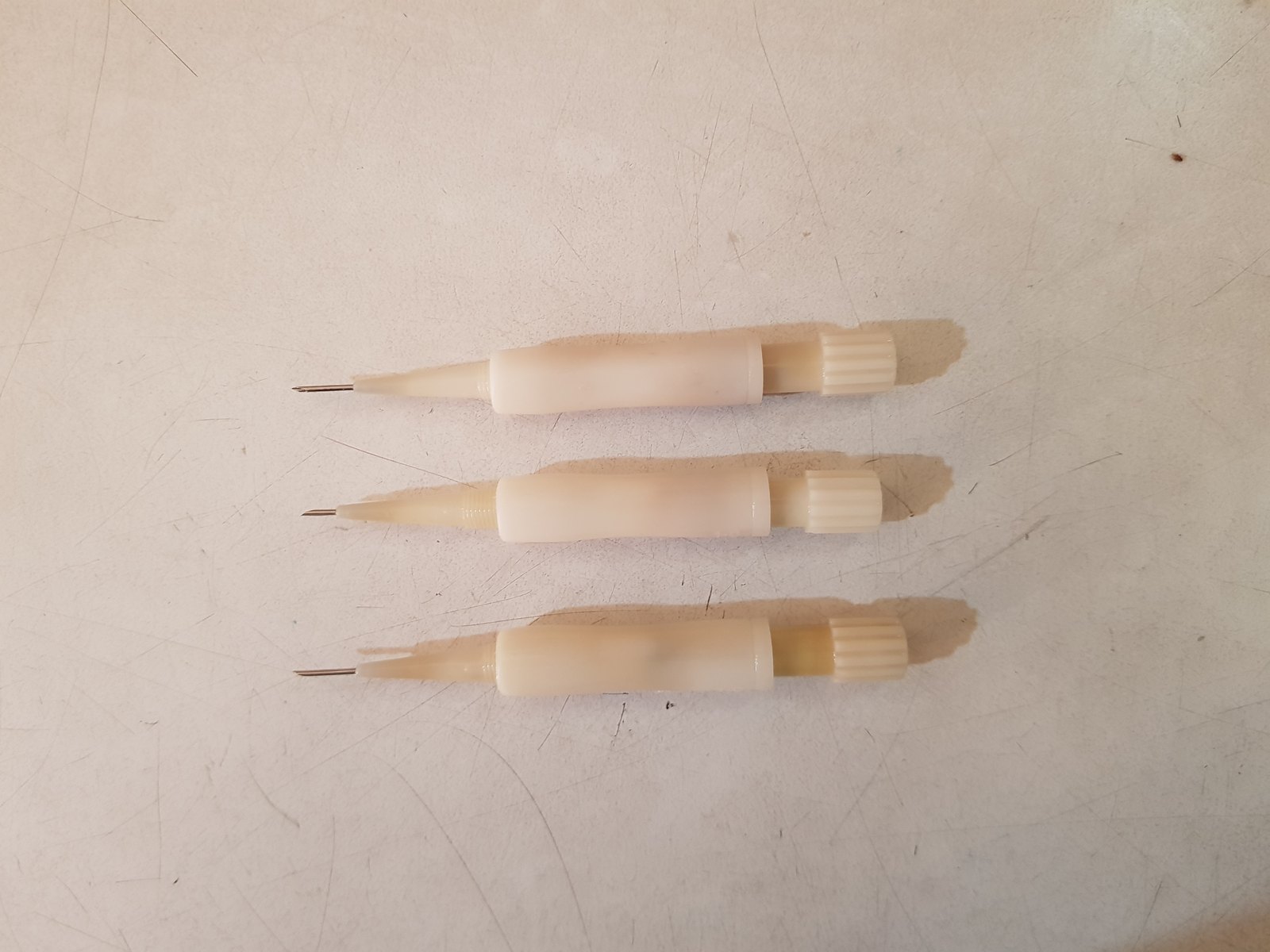
    • At Arogyam, the motorised blunt FUE technique is used to reduce trauma to follicles and improve graft survival. (This is part of what sets us apart in the North East.)

    Who is a Good Candidate?

    You might be a good candidate if:

    • Your donor hair is healthy (typically from scalp).

    • Patchiness or unevenness in your beard or mustache is due to poor growth rather than active disease.

    • You understand the limitations: facial hair often grows differently than scalp hair; body hair donor grafts may be shorter, thinner.

    • You are realistic about results: density, shape, and especially orientation matter for natural appearance.

    • No serious medical issues affecting healing (like uncontrolled diabetes), and you are ready to follow post-op care.

    What to Expect: Procedure Details

    1. Consultation & Planning

    • Assessment of your facial structure, how dense you want the facial hair, full medical check-up.

    • Planning the hairline and direction for each graft to mimic natural facial hair growth.

    2. Donor Harvesting

    • Usually scalp hair is taken. At Arogyam, the donor area extraction is done using motorised blunt FUE to minimize injury.

    3. Implantation

    • Once harvested, grafts are implanted into the beard or moustache area using micro-slits. Angle and direction is very carefully controlled so that facial hair looks natural.

    4. Duration & Pain

    • The procedure can take several hours depending on how large the area is.

    • Local anesthesia is used; discomfort/pain is minimal. Swelling or mild redness may happen post-procedure.

    Benefits & Limitations

    Benefits:

    • Long-lasting facial hair in areas where growth was weak or patchy.

    • Natural appearance when done right.

    • Boost in confidence and self-image.

    Limitations:

    • Growing speed of facial hair may differ from scalp hair.

    • Donor hair density limits how thick you can make your beard/mustache.

    • Healing period involves temporary shedding (“shock loss”) before regrowth.

    • Body hair donor grafts may not match scalp hair in texture or length.

    Post-Operative Care & Recovery

    • After the procedure: mild swelling, redness or small scabs which heal in a few days.

    • Keep area clean. Use gentle shampoos or cleansers. Avoid rubbing or scratching.

    • Avoid heavy exercise, alcohol, smoking initially, as per your doctor’s advice.

    • Avoid sun exposure; cover or apply sunscreen once healed.

    • Expect full visible results over 6-9 months, with continued improvement up to 1-1.5 years.

    Why Choose Arogyam Hair Transplant Clinic, Guwahati

    • Expertise: Dr. P. J. Mazumdar is the first ABHRS Diplomate transplant specialist in the Northeast.

    • Internationally accepted standards: Following American and ISHRS ethical & technical guidelines.

    • Modern technique: Motorised blunt FUE, minimal scarring, state-of-the-art tools (blunt titanium punches, Choi Implanters etc.) used.

    • Safety & infrastructure: Procedures performed in Main OT at Downtown Hospital with emergency backup. Proper sterility, experienced staff. 

    • Transparent costs & counselling: Honest graft counts, realistic expectations, clear post-op support.

    Cost & Factors That Affect It

    Some factors that affect cost/duration:

    • Number of grafts required

    • Thickness/density you want

    • Donor area condition

    • Area size (mustache only vs full beard)

    • Use of body hair vs scalp donor

    • Post-operative care and medications

    At Arogyam, cost is calculated in terms of grafts (Follicular Units), ensuring transparency.

    Risks & Safety

    While generally safe, as with any surgical procedure, there are risks:

    • Risk of infection if clinic standards are not maintained

    • Asymmetric results if angle/planning not done carefully

    • Temporary shedding of transplanted hair before regrowth

    • Possible mild swelling, bruising

    These risks are minimized by choosing a well-qualified clinic, following pre-op and post-op instructions strictly. 

    Conclusion

    If you’ve been dreaming of fuller facial hair — a sharp beard, a thick mustache, or more defined sideburns — beard or mustache transplant offers a realistic, long-lasting solution. The key lies in choosing the right clinic, setting correct expectations, and following through proper care.

    At Arogyam Hair Transplant Clinic, Guwahati, we combine expertise, technology, safety, and transparent care to help you achieve that transformed look with confidence. Ready to begin? Book your consultation today.

  • 10 Signs You’re a Good Candidate for Hair Transplant — What to Know Before Making Your Decision

    10 Signs You’re a Good Candidate for Hair Transplant — What to Know Before Making Your Decision

    10 Signs You’re a Good Candidate for Hair Transplant — What to Know Before Making Your Decision

    Introduction

    Hair loss can be distressing — affecting self-confidence, appearance, even emotional well-being. If you’ve been considering a surgical solution like a hair transplant, knowing whether you’re a good candidate is critical. Acting too early, or when conditions aren’t ideal, can lead to sub-optimal results or complications.

    At Arogyam Hair Transplant Clinic in Guwahati, under Dr. P. J. Mazumdar (MS, FICS, Diplomate ABHRS), we follow stringent international guidelines for counselling, planning and execution. We believe in offering honest assessment, customised plans, and realistic expectations. Here are 10 signs that indicate you may be a good candidate — and what to check for in making your decision.

    1. Patterned Hair Loss (Androgenetic Alopecia)

    This is the commonest form of hair loss in men and many women. It follows certain predictable patterns (e.g. receding hairline, thinning crown). If your hair loss fits this pattern, a transplant is often highly effective because donor hair is genetically programmed to stay strong. If the loss is diffuse, patchy, or from non-pattern causes (burns, scarring, autoimmune disease), suitability will vary.

    At Arogyam, we assess the pattern thoroughly using clinical examination and sometimes imaging.

    2. A Healthy Donor Area

    A transplant requires good donor hair — typically from the back or sides of the head. If the donor area is thin, scarred or already over-harvested, then results may be compromised or additional surgeries risky. We check donor density carefully, and often count follicular units to estimate how many grafts are safely available.

    3. Stable or Slowly Progressive Hair Loss

    If your hair loss is too rapid or unpredictable, transplanting now may lead to losing more transplanted hair than expected, or having to do further transplants. Allowing some stability gives us better long-term planning for what is needed now and in future.

    4. Realistic Expectations

    A transplant improves your appearance, restores hair in bald areas, but it’s not a magic guarantee of full “pre-loss” hair. Realistic goals include natural hairline, improved density in thinning areas, better aesthetics. Talking with our team about what is possible (given your donor supply, hair color, curl, etc.) is part of every consultation at Arogyam.

    5. Good General Health

    You should ideally be in good overall health. Conditions like uncontrolled diabetes, severe hypertension, bleeding disorders, or other medical issues may increase risk of complications or impair healing. We review medical history and any medications. Sometimes medical treatment to control underlying conditions is needed before surgery.

    6. You’re Non-Smoker or Willing to Modify Lifestyle

    Smoking, heavy drinking, or other habits can affect healing, blood flow, graft survival. If you smoke, quitting or reducing before and after surgery greatly helps. Similarly, following dietary and care instructions post-op (avoiding excessive sun, keeping scalp clean) is vital.

    7. Healthy Scalp Skin (Donor & Recipient Areas)

    Scarring, active dermatologic conditions (psoriasis, eczema), infections in scalp can interfere. If the skin is inflamed, or has poor blood supply, grafts may fail. At Arogyam, we inspect scalp health and may treat any skin issues first (antifungals, anti-inflammatories, etc.) before transplant.

    8. Appropriate Age & Hairline Planning

    Though there is no strict “good age,” very young patients (teens, early 20s) may still have evolving hair loss, making hairline design tricky. Older patients may have more thinning and lower donor reserve. Age also affects skin elasticity, healing. We assess biological age along with your degree of loss and your expectations for future hair loss.

    9. Commitment to Post-Operative Care

    Transplant doesn’t end when you leave the OT. You’ll need to follow medicine, care for grafts, avoid trauma, keep out of sun, follow up with the clinic, possibly use medical therapies (like minoxidil or finasteride) to maintain existing hair. Those who are diligent tend to get better, more lasting results.

    10. Desire for a Long-Term Solution

    If you’re looking for something more long-lasting than wigs, temporary patches, or topical treatments alone, then transplant makes sense. It’s a surgical solution designed to provide lasting improvement, though it works well when done at the right time and under the right conditions.

    How Arogyam Clinic Ensures You Are a Good Fit

    • Full consultation and evaluation: We examine your hair loss pattern, donor supply, scalp condition, health history.

    • Qualified Doctor: Dr. P. J. Mazumdar is Diplomate ABHRS, with long experience and personally handles all major parts of the procedure. 

    • Modern FUE techniques: Motorised blunt FUE, use of advanced instruments such as blunt punches, Choi implanters, etc., which help minimize injury to donor & recipient areas. 

    • Surgery in hospital OT: All safety standards, emergency backup, sterile conditions are met by doing surgeries in the Main OT at Downtown Hospital.

    • Honest cost, clear planning: We quote based on follicular units (FU), not misleading metrics; we plan hairline, density etc so you know what to expect.

    When You Might Not Be a Good Candidate — and What To Do

    Even if several of the above are true, there are situations when hair transplant may not be immediately advised:

    • Active scalp diseases or infections

    • Severe scarring or burns where donor supply or skin quality is poor

    • Very young age with rapidly progressing hair loss

    • Unrealistic expectations (e.g. expecting extremely high density everywhere)

    • Medical conditions that are not well controlled

    In such cases, alternatives may help — medical treatments (topical/oral), PRP, hair growth therapy, wigs, etc. Sometimes treating scalp health first, or waiting until donor supply is better, gives better long-term outcome.

    Conclusion

    If many of the 10 signs above seem true for you, you are likely a strong candidate for a hair transplant. But the decision should be made after a detailed evaluation of your specific case.

    At Arogyam Hair Transplant Clinic, Guwahati, we offer just that: qualified consultation, modern FUE surgery under hospital safety standards, ethical & clear planning, and full support in aftercare.

    If you’d like to understand whether you personally are a good candidate, schedule a consultation with Dr. P. J. Mazumdar.

    Call/Text: 8811077011

    Email: guwahatihairtransplant@gmail.com

  • Hair Transplant in Guwahati – Why More People Are Choosing It in 2025

    Hair Transplant in Guwahati – Why More People Are Choosing It in 2025

    Hair Transplant in Guwahati – Why More People Are Choosing It in 2025

    Introduction

    As 2025 unfolds, hair loss remains a growing concern—but so does the solution. In Guwahati, an increasing number of people are opting for hair restoration at Arogyam Hair Transplant Clinic (located within Downtown Hospital). Here’s why—courtesy of advanced techniques, hospital-quality safety, and personalized care.

    1. Leadership in FUE Hair Transplantation

    Arogyam stands out as a pioneer in Northeast India, offering Follicular Unit Extraction (FUE) under the skilled hands of Dr. P. J. Mazumdar, the only Diplomate of the ABHRS in the region. His adherence to global standards—aligned with ABHRS and ISHRS guidelines—sets a benchmark in quality and ethics.

    2. Unmatched Safety in a Hospital Environment

    All procedures are carried out in Downtown Hospital’s robust operating theatres. With full anesthesiologist support, routine fumigation, swab testing, and ISO/NABH-backed protocols, Arogyam ensures patient safety on par with major surgeries.

    3. State-of-the-Art Instrumentation for Superior Results

    Precision matters in hair transplant:

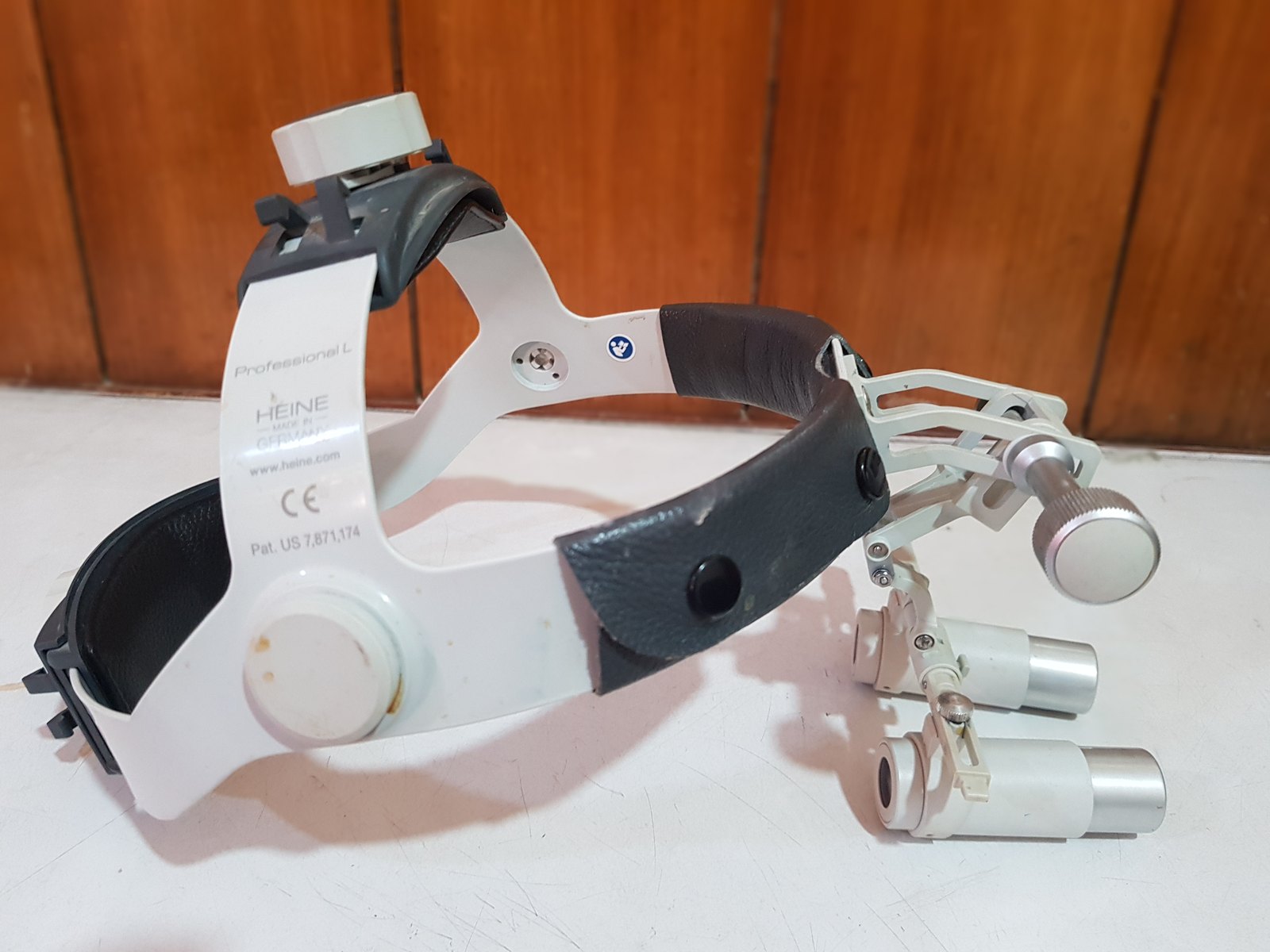
    • 6× Heine loupes for microscopic clarity

    • Blunt titanium punches to prevent follicle damage

    • Choi implanters for controlled implantation

    • Counting trays and photographic records, ensuring transparency in graft handling

    These tools and transparency strategies bring accuracy and trust to every procedure.

    4. Efficient Graft Handling for Optimal Survival

    Arogyam meticulously controls the transplant process: limiting raids to about 1,000 follicular units at a time ensures that each graft spends no more than one hour outside the body—a key factor in high survival and growth rates.

    5. Transparent, Patient-First Practices

    Every patient receives mobile photographs of their grafts—and tools like density stamps to guarantee correct implantation density. These practices promote full transparency and build trust.

    6. Post-Procedure Support That Goes the Extra Mile

    Your journey doesn’t end after surgery. Dr. Mazumdar remains personally accessible via mobile for any concerns during follow-up—because care beyond the operating table is critical for recovery and confidence.

    Conclusion

    In 2025, individuals in Guwahati are increasingly choosing Arogyam Hair Transplant Clinic because it combines cutting-edge FUE techniques, hospital-grade safety, precision tools, transparent protocols, and one-on-one post-op care—all under a globally certified surgeon’s guidance. If you’re looking for a transformative, safe, and confident experience, Arogyam is your top choice.

  • The Role of Genetics in Hair Loss and Transplant Success

    The Role of Genetics in Hair Loss and Transplant Success

    Full-Length Article: The Role of Genetics in Hair Loss and Transplant Success

    Introduction

    Hair loss affects millions of people worldwide, and one of the most common causes is genetics. For many, the condition seems to “run in the family,” appearing in similar patterns across generations. While hereditary hair loss can feel discouraging, modern hair transplant techniques prove that genetics don’t decide everything. At Arogyam Hair Transplant & Cosmetic Clinic, Guwahati, we specialize in helping patients overcome genetic predispositions and achieve natural, lasting results.

    How Genetics Influence Hair Loss

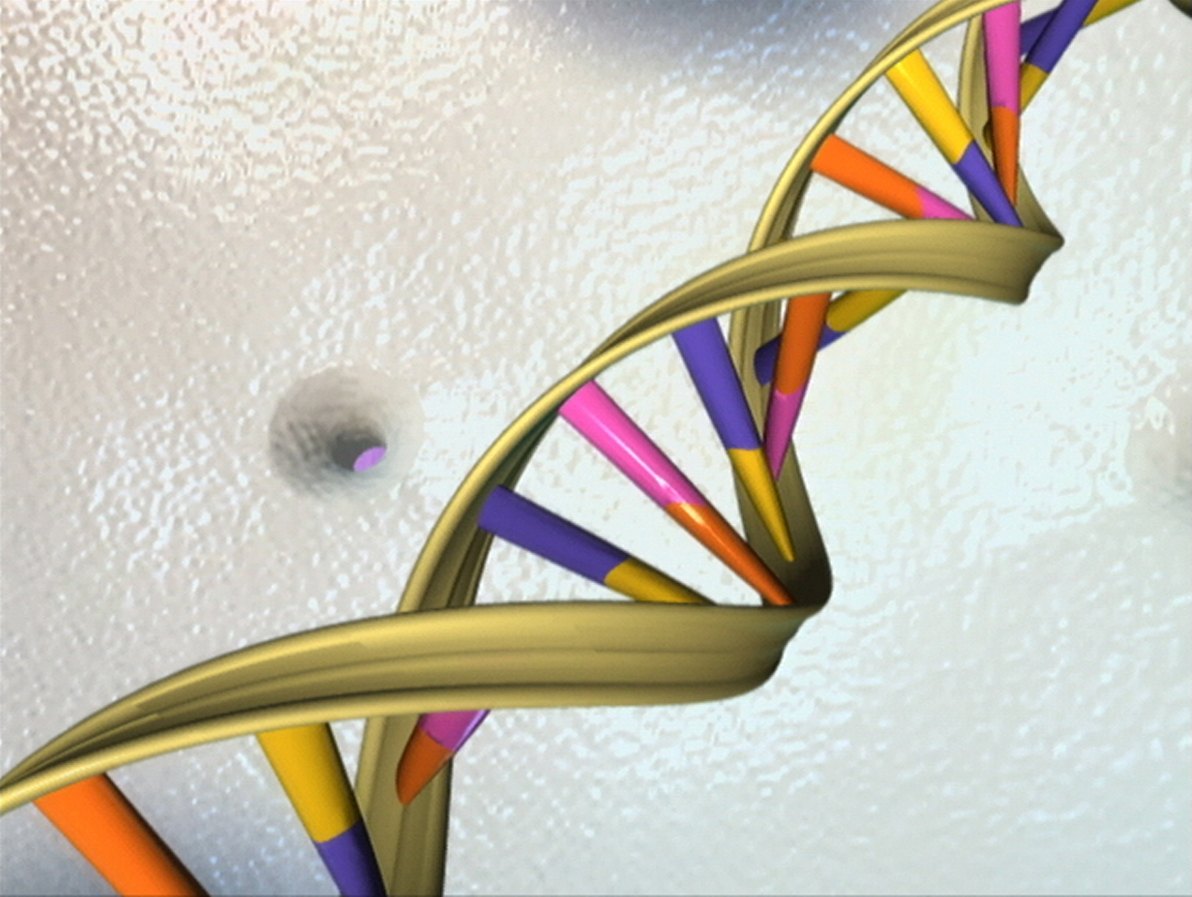
    Genetics determine how your hair follicles respond to hormones like DHT (dihydrotestosterone), which shortens the hair growth cycle and causes thinning. This is why men and women often notice familiar patterns—such as receding temples, crown thinning, or overall reduced density—similar to their parents or grandparents. The timing, severity, and pattern of hair loss are all heavily influenced by hereditary factors.

    Why Genetic Hair Loss Doesn’t Mean Failure

    Although genes play a major role in hair loss, they don’t prevent a successful transplant. The donor area at the back and sides of the scalp is naturally resistant to DHT, making it the perfect source of strong, healthy grafts. These hairs, once transplanted, maintain their resistance and continue to grow in their new location. By carefully studying your family history and current hair condition, our experts can design a transplant plan that not only restores density but also anticipates future changes.

    Arogyam’s Approach to Genetic Hair Loss

    At Arogyam Clinic, every transplant is performed by Dr. P.J. Mazumdar, the Northeast’s first ABHRS Diplomate Hair Restoration Specialist. His expertise ensures that patients with strong genetic patterns of hair loss still receive safe, natural, and lasting results.

    We combine international standards with advanced techniques such as:

    • Blunt titanium punches to reduce follicle damage

    • Choi Implanters for precise angulation and placement

    • 6× Heine loupes for maximum accuracy

    • Counting trays and mobile photos to ensure transparency in graft numbers

    Additionally, procedures are conducted in a hospital-level OT with strict sterilization, ensuring the highest safety standards. Grafts are processed in small batches to minimize out-of-body time, protecting their survival rate—something especially crucial for patients with genetically weaker hair.

    Setting Realistic Expectations

    Genetics also influence how much coverage can be achieved. Patients with aggressive family histories may require careful planning to preserve donor hair for the future. In such cases, a conservative, natural hairline is often advised so that results continue to look balanced over time.

    A transplant at Arogyam doesn’t just address current hair loss—it is designed with your future in mind. Complementary treatments like PRP therapy, finasteride, or minoxidil may also be recommended to support existing hair and slow down further genetic loss.

    Conclusion

    While genetics strongly influence hair loss, they do not decide the success of a transplant. With the right expertise, planning, and techniques, it is possible to restore a full, natural look and keep it for years to come. At Arogyam Hair Transplant & Cosmetic Clinic, Guwahati, we pride ourselves on combining global certification, advanced technology, and personalized care to help you rise above your genetic challenges.

  • Transform Your Look: Beard & Eyebrow Restoration with Hair Transplant in Guwahati

    Transform Your Look: Beard & Eyebrow Restoration with Hair Transplant in Guwahati

    Full-Sized Article: “Transform Your Look: Beard & Eyebrow Restoration with Hair Transplant in Guwahati”

    Introduction

    Facial hair—be it a beard, mustache, or eyebrows—is more than aesthetics; it’s about confidence and personal expression. Yet genetics, scarring, hormonal imbalance, or over-plucking can impact hair density in these areas. If you’re looking for a reliable solution, Arogyam Hair Transplant Clinic in Guwahati, under Dr. P. J. Mazumdar, offers cutting-edge FUE hair transplant solutions to restore your facial hair with natural results.

    1. Why Choose Arogyam for Facial Hair Restoration?

    • Expertise & Accreditation: Dr. P. J. Mazumdar is the first Diplomate in Hair Restoration Surgery in Northeast India, with all procedures guided by international ethical and technological standards.

    • Local Legacy: Arogyam performed the first FUE hair transplant in Guwahati back in 2012, establishing a legacy of innovation and trust.

    • Focused Care: While other clinics in the region offer similar services, Arogyam’s depth in FUE and dedication to individualized care set it apart.

    2. What Is FUE Transplantation for Beard & Eyebrows?

    • Follicular Unit Extraction (FUE): This minimally invasive method harvests individual hair follicles (from the scalp)—the same technique trusted for facial hair restoration.

    • Why It Works: Donor hairs placed in the beard or eyebrow area maintain lifelong growth while being trimmed or styled to suit the face’s aesthetic needs.

    • Precision and Natural Appearance: Each follicle is positioned with attention to angle, density, and growth pattern for a seamless result.

    3. The Procedure: What to Expect

    • Consultation & Planning: A detailed evaluation informs the design of your new beard or eyebrows, ensuring symmetry and face harmony.

    • Extraction & Implantation: Donor follicles are carefully harvested and implanted with surgical precision, ensuring proper depth and orientation.

    • Recovery: Temporary shedding occurs in the first few weeks—a normal step in the regrowth cycle. New hair typically begins to emerge in 3–4 months.

    • Final Results: Full restoration of beard or eyebrow density is generally evident within 8–12 months post-procedure.

    4. Advantages of Facial Hair Transplants at Arogyam

    • Long-lasting and Natural Results: Transplanted hairs grow just like your natural facial hair—style them as you desire.

    • Boost in Confidence: Fuller, well-shaped facial hair elevates self-esteem and personal grooming.

    • Expert-Led Process: From planning to placement, your procedure is handled by experienced, fully certified professionals.

    5. Recovery and Aftercare Tips

    • Be Gentle: Avoid vigorous rubbing or touching of the transplanted area for about a week.

    • Medication & Care: Follow any prescribed antibiotics or topical treatments to support healing.

    • Shading & Sun Protection: Protect newly grafted areas—sun and heat can hamper healing.

    • Trim When Needed: Especially for eyebrows—monthly trims might be needed as hair continues to grow. 

    6. Is It Right for You? A Quick Checklist

    • Are you bothered by patchy or thin eyebrows/beard?

    • Do you have healthy scalp donor hair?

    • Would you like long-lasting improvement?

    • Are you comfortable with a gradual process (full results within 8–12 months)?

    If you answered “yes,” facial hair restoration at Arogyam could be a life-changing step toward confidence and self-expression.

    Conclusion

    At Arogyam Hair Transplant Clinic, we believe in restoring more than just hair—we restore confidence. With Dr. P. J. Mazumdar’s expertise and a proven track record dating back to 2012, our FUE-based beard and eyebrow transplant services offer precision, safety, and natural aesthetics. Ready to sculpt your look? Book your consultation today and begin your facial hair transformation journey.

  • Nutrition & Hair Health: Helping Your Hair Transplant Thrive in Guwahati

    Nutrition & Hair Health: Helping Your Hair Transplant Thrive in Guwahati

    Nutrition & Hair Health: Helping Your Hair Transplant Thrive in Guwahati

    Introduction

    At Downtown Arogyam Hair Transplant Clinic in Guwahati, Dr. P.J. Mazumdar has been leading the field since performing the first FUE transplant in Northeast India in 2012 . A successful outcome depends not only on surgical expertise and safety—but also on proper post-transplant nutrition. Let’s explore how what you eat supports recovery and long-term hair growth.

    1. Why Diet Matters for Transplant Success

    A nutrient-rich diet is vital to support healing, tissue repair, and strengthening of transplanted follicles. Nutrients like protein, vitamins, and minerals contribute to faster recovery and reduce the risk of complications

    2. What to Eat: Top Nutrients & Foods to Include

    • Lean Proteins & Keratin Builders

    Eggs, chicken, fish, yogurt, legumes, and lean meats provide essential protein for hair structure and repair

    • Vitamins A, C, D & E

    These support collagen formation, scalp health, and follicle function. Orange, mango, carrots, citrus fruits, broccoli, and olive oil are great sources

    • Biotin, B-Vitamins & Folate

    Biotin (B7), riboflavin (B2), folic acid (B9), and B12 help boost keratin production and cell division. Found in leafy greens, whole grains, dairy, and fruits

    • Iron & Zinc

    Key minerals for oxygen-rich blood flow and follicle repair. Include red meat (if non-vegetarian), lentils, nuts, seeds, spinach, and whole grains  .

    • Omega-3 & Healthy Fats

    Avocado, nuts, seeds, olive oil, and fatty fish (like salmon) help reduce inflammation and nourish scalp tissue  .

    • Hydration

    Water, herbal teas, coconut water, and nutrient-packed smoothies support scalp health and internal healing

    3. What to Avoid for Better Outcomes

    • Processed Food & Sugary Snacks

    These can slow healing, increase inflammation, and weaken follicles

    • Alcohol & Excess Caffeine

    Alcohol may impair blood flow, while caffeine can increase bleeding risk and interfere with healing—good avoided in the early recovery phase  .

    • Spicy, Salty & Sugary Foods

    These may irritate the scalp, cause sweating, or dehydrate the body, potentially affecting graft survival  .

    5. Arogyam Clinic’s Supportive Approach

    With advanced tools like 6× Heine Loupes, Choi implanters, and a hospital-based setting ensuring safety , Arogyam Clinic pairs surgical excellence with guidance on post-op nutrition—helping your transplanted hair flourish.

    Conclusion

    Combining Arogyam Clinic’s trusted FUE expertise with a nourishing diet rich in protein, vitamins, minerals, and healthy fats creates a good environment for healing and long-term hair growth. Let food be your partner in recovery.

  • Understanding Shock Loss: Temporary Hair Shedding After a Transplant

    Understanding Shock Loss: Temporary Hair Shedding After a Transplant

    Understanding Shock Loss: Temporary Hair Shedding After a Transplant

    1. What Is Shock Loss?

    Shock loss—clinically known as telogen effluvium—is a temporary shedding phase that may occur after a hair transplant. It can affect both the newly implanted grafts and surrounding native hair, triggered by the trauma of surgery or changes in scalp environment .

    Although alarming to many, this shedding is a normal part of your scalp’s healing and does not indicate transplant failure.

    2. Why Does Shock Loss Happen?

    • Surgical trauma: Extraction and implantation can stress the follicles and disrupt the natural hair cycle, pushing hairs prematurely into the resting (telogen) phase  .

    • Blood flow disruption: Healing scalp may divert blood supply temporarily, causing follicles to shed .

    • Sensitivity: Individuals with thinner hair or diffuse thinning (often in women) may experience more noticeable shedding .

    3. Timeline: When Shedding Begins and Ends

    • Start: Around 10 days to 2 weeks post-procedure, shedding often begins in both donor and recipient areas.

    • Peak: Shedding typically peaks between 2–6 weeks and may extend into the 8–12‑week milestone.

    • New growth: Around 3–4 months after the transplant, new hair starts emerging, initially soft or fine, but gradually thickening over the next 6–12 months.

    4. Shock Loss Is Temporary—Here’s Why It’s OK

    • Shedding is part of the healing cycle: transplanted follicles remain intact and will begin growing new hair.

    • Most patients see noticeable regrowth by 6 months, with final density achieved by 10–12 months post-surgery .

    • Your surgeon can help monitor progress and reassure you at each stage.

    5. How to Minimize Shock Loss & Promote Recovery

    • Choose experienced surgeons: At Hair Transplant Guwahati, procedures using FUE or DHI are performed by board‑certified surgeons with precise techniques that reduce trauma.

    • Follow post-op care protocols: Gentle scalp care, avoiding direct sun, and not skipping follow-up appointments make a big difference.

    • Support scalp health: Doctors may recommend topical medications like minoxidil, oral finasteride (if suitable), or PRP therapy to help speed regrowth .

    • Nutrition & rest: A balanced diet rich in vitamins A, C, zinc, iron, and protein supports follicle recovery.

    6. When to Seek Professional Advice

    • If shedding continues beyond 3 months

    • If hair does not begin to regrow by 4–6 months

    • If you notice any signs of infection, prolonged swelling, or excessive sensitivity

    At Hair Transplant Guwahati we provide ongoing consultation so your recovery stays on track.

    Experiencing shock loss can feel daunting—but at Hair Transplant Guwahati, we guide you every step of the way. Our skilled surgeons, gentle techniques, and dedicated care mean your journey toward natural-looking, long-lasting hair is safe and supported.

    For personalized advice or to begin your transformation journey, book a consultation today.

  • Minimising & Managing Hair Transplant Scars: A Guide from Arogyam Hair Transplant Clinic

    Minimising & Managing Hair Transplant Scars: A Guide from Arogyam Hair Transplant Clinic

    Minimising & Managing Hair Transplant Scars: A Guide from Arogyam Hair Transplant Clinic

    1. Understanding Hair Transplant Scarring

    Hair transplant procedures—whether FUE (Follicular Unit Extraction) or FUT (Follicular Unit Transplantation)—inevitably involve incisions, which heal into scars.
    • FUT creates a thin linear scar at the donor site, visible if the hair is kept very short
    • FUE leaves numerous tiny circular ‘dot’ scars scattered across the donor zone, which are typically barely noticeable once hair regrows

    2. Factors That Influence Scar Visibility

    Several factors affect how noticeable scars become:
    • Your chosen surgical method – FUE usually results in less visible scarring versus FUT.
    • Surgeon’s skill and technique, including punch size, trichophytic closure, and suture precision
    • Your individual healing, skin type, and any tendency toward hypertrophic or keloid scarring.
    • Post-op care compliance, including proper hygiene, sun protection, and avoiding tension on the healing area

    3. How We Minimise Scars at Arogyam Clinic
    • State‑of‑the‑art FUE: We use blunt titanium motorized punches, carefully selected for minimal transection and small skin trauma
    • Trichophytic closure in FUT cases ensures ultra-fine linear scars that blend with surrounding hair and often become imperceptible over time .
    • Experienced surgeon: Dr. P. J. Mazumdar—first ABHRS Diplomate in the Northeast—performs all steps himself and follows global ethical and technical guidelines

    4. Managing Scars After Surgery: Our Care Protocol
    • Topical care: We recommend silicone gel, low‑dose steroid cream for raised scars, and needleless delivery for comfort
    • Massaging: Gentle scar massage after a few weeks improves circulation and helps soften scar tissue.
    • Sun protection: Using hats or sunscreen during the first few months prevents pigmentation changes around scars.
    • Lifestyle guidance: Avoid smoking and alcohol pre‑ and post‑ surgery to support healing.

    5. Treatments for Existing or Prominent Scars

    If scars persist or are noticeable, we offer effective solutions:
    • Scalp micropigmentation (SMP): Non-invasive micro‑dot pigmentation camouflages linear or dot scars to match hair colour
    • Scar revision surgery or FUE scar camouflage: Grafts can be placed directly into scar tissue for blending or linear scars can be excised and re‑sutured neatly .
    • Laser scar revision: Smooths raised or textured scars, improving appearance with minimal downtime

    6. Realistic Expectations & Final Thoughts

    While complete scar elimination isn’t realistic, scars typically become well‑concealed and often imperceptible—with the right surgical method, healing support, and expert oversight.

    At Arogyam Hair Transplant Clinic, we combine global‑standard techniques, advanced instrumentation, and personalised aftercare so your results look natural—and your scars remain discreet.

    📞 Ready to learn more? Get in touch for a consultation tailored to your needs and a clear scar‑management roadmap.

    Why Choose Arogyam Clinic?
    • Pioneer of FUE in Guwahati (since 2012) and highest volume clinic in the region
    • Dr. P. J. Mazumdar—North East India’s first ABHRS Diplomate.
    • All procedures aligned with ABHRS & ISHRS ethical and technical norms.
    • In‑hospital surgery (Downtown Hospital) with full emergency backup for safety and confidence.